
Tamarack Valley Energy's Q3 2025 Performance: Valuation Realism Amid Cost Control and Market Optimism
Cost Control and Operational Efficiency
Tamarack's Q3 results underscore its commitment to cost discipline. The company in net production expenses per boe, a metric that directly impacts profitability in commodity-sensitive sectors. This reduction, to full-year net production expense guidance, reflects strategic initiatives such as margin enhancements and the East Asset Divestiture. Such measures have enabled Tamarack to maintain strong free funds flow, .
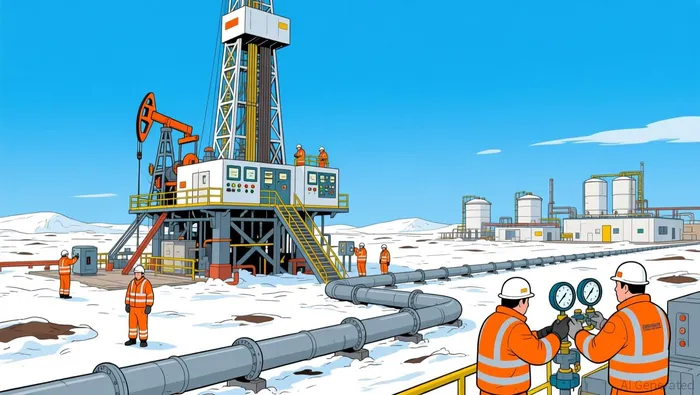
Operational improvements, including waterflooding techniques in the Clearwater and Charlie Lake operations, are expected to further lower per-barrel costs and stabilize production. These actions align with the company's broader strategy to optimize its asset base, a move that has attracted institutional attention. For instance, the , reflecting confidence in Tamarack's operational trajectory.
Valuation Realism: A Balancing Act
Tamarack's valuation appears to straddle optimism and caution. The average one-year price target , . , . However, these optimistic forecasts must be weighed against . While these improvements have earned a credit rating upgrade from S&P (B to B+), Tamarack's leverage remains a concern in a volatile commodity environment.
The market's "Moderate Buy" consensus rating, supported by seven "buy" recommendations, highlights confidence in Tamarack's ability to generate cash flow. A planned shift to quarterly dividends . Yet, , which hinges on stable oil prices and effective cost management.
Market Expectations and Risks
Tamarack faces headwinds. A Q3 net loss tied to an asset write-down, though offset by production stability, underscores the fragility of its financial model. Analysts acknowledge that oil price volatility and a "heavy debt load" could disrupt the bullish narrative. Nevertheless, .
Conclusion
Tamarack Valley Energy's Q3 performance validates its cost-control strategies and operational resilience, positioning it as a potential beneficiary of a recovering energy market. While analyst price targets and institutional ownership trends suggest valuation realism, the company's success will depend on its ability to sustain cost efficiencies and navigate commodity price swings. For investors, the current valuation appears cautiously optimistic, reflecting both Tamarack's strengths and the inherent risks of the energy sector.







Comentarios
Aún no hay comentarios