
Takeda's Profit Slump Masks Strategic Growth: Navigating Expense Pressures for Future Gains
Takeda Pharmaceutical’s fiscal year 2024 (FY2024) net profit fell sharply by 25.1% to ¥107.9 billion, underscoring a challenging year marked by surging expenses and tax headwinds. However, beneath the headline decline lies a complex narrative of operational resilience, strategic reinvestment, and emerging opportunities. This analysis dissects the drivers of Takeda’s financial performance and assesses whether the current downturn signals a long-term concern or a temporary stumble for one of Japan’s largest pharmaceutical giants.
The Profit Decline: Tax and Cost Pressures Take Center Stage
The most immediate contributor to Takeda’s profit slump was a dramatic reversal in income tax expenses. In FY2023, the company benefited from a ¥91.4 billion tax credit, but this flipped to a ¥66.9 billion expense in FY2024. This swing alone accounts for nearly half the net profit decline. While some factors—such as one-time restructuring-related tax adjustments in Europe and Asia—are non-recurring, structural shifts like Japan’s corporate tax hike (to 30.4%) and U.S. regulatory pressures (e.g., the Inflation Reduction Act) are here to stay.
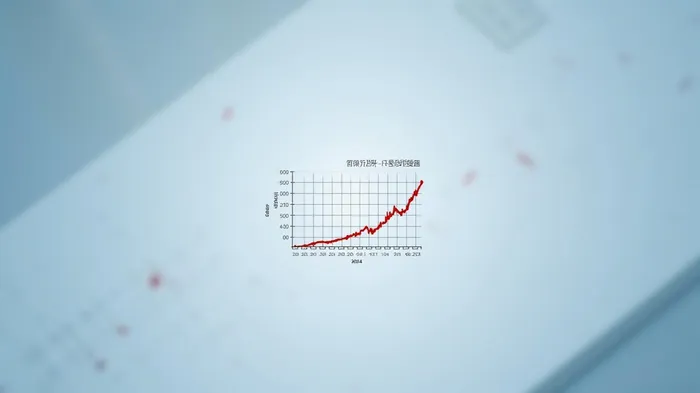
Beyond taxes, operational costs rose across the board:
- Cost of Sales: Increased 11% to ¥1.58 trillion, reflecting higher production costs and supply chain adjustments.
- SG&A Expenses: Rose 4.8% to ¥1.105 trillion, driven by marketing investments and global expansion efforts.
- R&D: While not explicitly stated, Takeda’s focus on late-stage pipeline preparations (e.g., cell therapies for cancer) likely contributed to rising R&D spending.
Revenue Growth Amid Headwinds: Key Drivers and Risks
Despite the profit slump, Takeda’s top-line performance was robust, with revenue growing 7.5% to ¥4.58 trillion. This resilience stemmed from two pillars:
1. Growth Drugs:
- Entyvio: Sales surged 14% to ¥914 billion, solidifying its position as a blockbuster in inflammatory bowel disease.
- Plasma-derived therapies: Sales jumped 14% to ¥1.03 trillion, fueled by demand for treatments like Alpha-1 proteinase inhibitor and immunoglobulins.
- Cash Flow Strength:
Adjusted free cash flow surged 171% to ¥769 billion, signaling strong liquidity to fund R&D and dividends.

However, challenges persist:
- Vyvanse/Elvanse: Sales plunged 17% to ¥350.6 billion as generic competition eroded its ADHD franchise.
- Regulatory Risks: U.S. drug pricing reforms could further pressure margins in the world’s largest pharmaceutical market.
FY2025 Outlook: A Turnaround on the Horizon?
Takeda’s management is betting on a rebound in FY2025, forecasting net profit to jump 111% to ¥228 billion. This optimism hinges on:
- Operational Efficiency: Reduced restructuring costs and lower impairment charges.
- Pipeline Momentum: Late-stage candidates in oncology (e.g., TAK-788 for HER2-positive cancers) and neuroscience (e.g., TAK-935 for Alzheimer’s) could add new revenue streams.
- Cost Discipline: The company aims to rein in SG&A expenses while maintaining R&D investments.
Conclusion: A Cyclical Dip or Structural Weakness?
While Takeda’s FY2024 profit slump is concerning, the fundamentals suggest this is a cyclical dip rather than a terminal decline. Key positives include:
1. Strong Cash Generation: The 171% jump in free cash flow provides a buffer for reinvestment and shareholder returns.
2. Pipeline Depth: With 14 late-stage assets, Takeda is positioned to offset generic erosion and capitalize on high-growth therapeutic areas.
3. Structural Adjustments: The tax burden is partly a one-time adjustment, and operational cost savings (e.g., a 60% rise in operating profit to ¥342.6 billion) indicate improved efficiency.
Investors should also note that Takeda’s stock trades at a forward P/E of ~12x (based on FY2025 estimates), a discount to peers like Pfizer (PFE) at ~19x. While risks like regulatory uncertainty remain, the combination of near-term cost control and long-term growth catalysts supports a cautiously optimistic outlook.
In short, Takeda’s FY2024 struggles appear to be a temporary hurdle on a path toward sustainable growth—a path that could reward patient investors willing to look beyond the current expense-driven slump.





Comentarios
Aún no hay comentarios