
Taiwan Semiconductor's $100 Billion U.S. Investment: A Strategic Move Amid Geopolitical Tensions
Generado por agente de IAClyde Morgan
lunes, 3 de marzo de 2025, 1:28 pm ET1 min de lectura
TSM--
Taiwan Semiconductor Manufacturing Company (TSMC), the world's leading semiconductor foundry, is set to announce a massive $100 billion investment in U.S. chip manufacturing plants. This strategic move, driven by geopolitical risks and market demands, underscores the company's commitment to expanding its global footprint and strengthening its supply chain resilience.
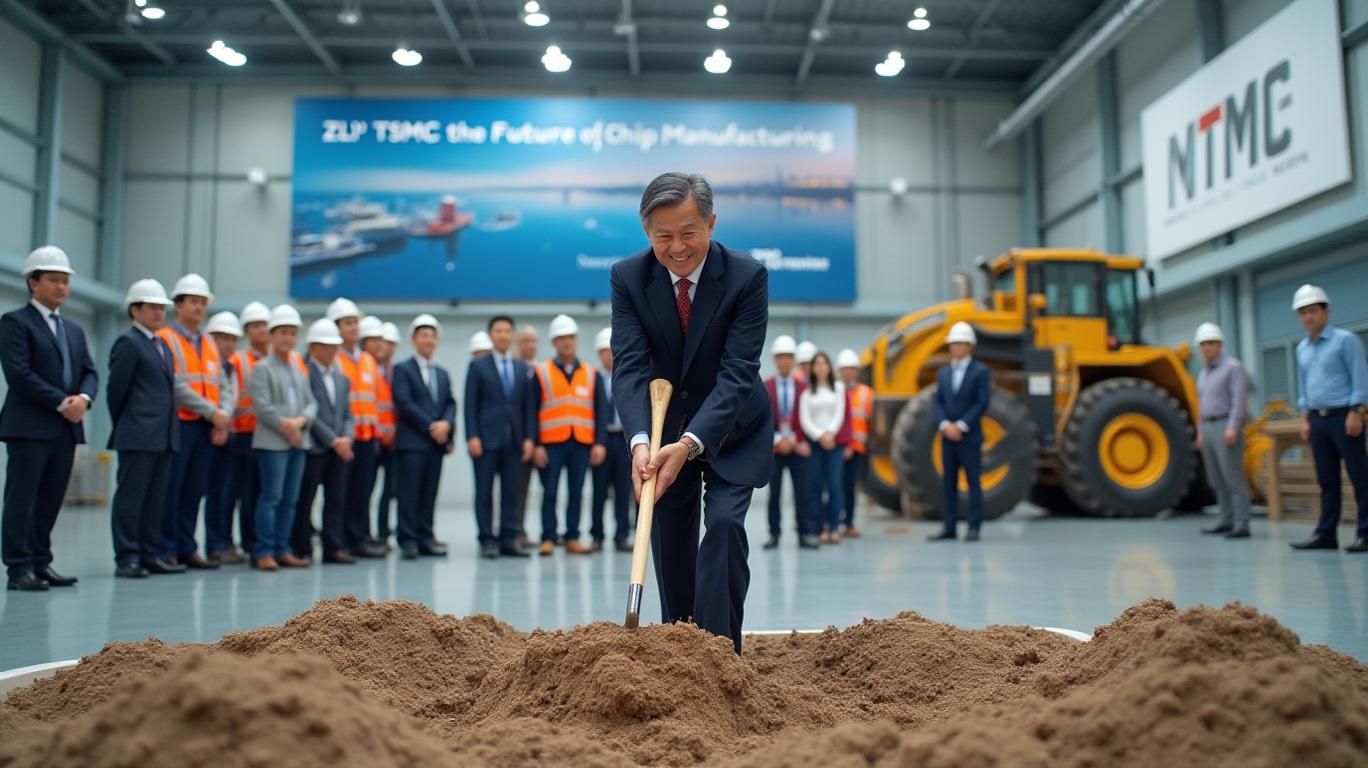
TSMC's decision to invest in the U.S. is a response to several factors, including geopolitical risks and trade policies. The company is aware of the potential impact of trade policies, such as former President Donald Trump's proposal to impose tariffs on semiconductors imported from Taiwan. By expanding its manufacturing footprint in the U.S., TSMCTSM-- aims to reduce its exposure to these trade restrictions and maintain strong relations with U.S. policymakers.
Moreover, TSMC's investment aligns with the U.S. government's goals of reducing reliance on foreign supply chains and strengthening domestic semiconductor production. The CHIPS and Science Act, signed by President Biden in 2022, offers incentives for companies like TSMC to invest in U.S. chip manufacturing. TSMC has been awarded up to $6.6 billion in direct funding under the CHIPS Incentives Program, which supports the construction of new fabs in Arizona.
TSMC's expansion in the U.S. is expected to have a significant impact on the global semiconductor market dynamics, particularly in relation to competition from other major players like Intel and Samsung. The increased competition in advanced chip manufacturing will drive innovation, push the boundaries of semiconductor technology, and lead to more competitive pricing. TSMC's expansion will enable it to better serve its U.S.-based customers and potentially attract new ones, putting pressure on Intel and Samsung to maintain their market positions.
However, TSMC's significant investment in the U.S. comes with several potential risks and challenges. Geopolitical risks, such as trade policies and tensions between the U.S. and China, could disrupt supply chains and impact TSMC's operations. To mitigate these risks, TSMC can diversify its production locations, strengthen its supply chain resilience, and maintain strong relationships with policymakers.
Operational challenges, such as higher initial production costs at overseas plants and the need to develop a skilled workforce, must also be addressed. TSMC can optimize operations in these locations, improve supply chain logistics, and invest in training and education programs to develop a skilled workforce in the U.S.
In conclusion, TSMC's $100 billion investment in U.S. chip manufacturing plants is a strategic move driven by geopolitical risks and market demands. By expanding its global footprint and strengthening its supply chain resilience, TSMC is well-positioned to maintain its technological leadership and meet the growing demand for advanced semiconductors. Despite the potential risks and challenges, TSMC's investment in the U.S. is a testament to the company's commitment to innovation, growth, and long-term success.
Word count: 598
Taiwan Semiconductor Manufacturing Company (TSMC), the world's leading semiconductor foundry, is set to announce a massive $100 billion investment in U.S. chip manufacturing plants. This strategic move, driven by geopolitical risks and market demands, underscores the company's commitment to expanding its global footprint and strengthening its supply chain resilience.
TSMC's decision to invest in the U.S. is a response to several factors, including geopolitical risks and trade policies. The company is aware of the potential impact of trade policies, such as former President Donald Trump's proposal to impose tariffs on semiconductors imported from Taiwan. By expanding its manufacturing footprint in the U.S., TSMCTSM-- aims to reduce its exposure to these trade restrictions and maintain strong relations with U.S. policymakers.
Moreover, TSMC's investment aligns with the U.S. government's goals of reducing reliance on foreign supply chains and strengthening domestic semiconductor production. The CHIPS and Science Act, signed by President Biden in 2022, offers incentives for companies like TSMC to invest in U.S. chip manufacturing. TSMC has been awarded up to $6.6 billion in direct funding under the CHIPS Incentives Program, which supports the construction of new fabs in Arizona.
TSMC's expansion in the U.S. is expected to have a significant impact on the global semiconductor market dynamics, particularly in relation to competition from other major players like Intel and Samsung. The increased competition in advanced chip manufacturing will drive innovation, push the boundaries of semiconductor technology, and lead to more competitive pricing. TSMC's expansion will enable it to better serve its U.S.-based customers and potentially attract new ones, putting pressure on Intel and Samsung to maintain their market positions.
However, TSMC's significant investment in the U.S. comes with several potential risks and challenges. Geopolitical risks, such as trade policies and tensions between the U.S. and China, could disrupt supply chains and impact TSMC's operations. To mitigate these risks, TSMC can diversify its production locations, strengthen its supply chain resilience, and maintain strong relationships with policymakers.
Operational challenges, such as higher initial production costs at overseas plants and the need to develop a skilled workforce, must also be addressed. TSMC can optimize operations in these locations, improve supply chain logistics, and invest in training and education programs to develop a skilled workforce in the U.S.
In conclusion, TSMC's $100 billion investment in U.S. chip manufacturing plants is a strategic move driven by geopolitical risks and market demands. By expanding its global footprint and strengthening its supply chain resilience, TSMC is well-positioned to maintain its technological leadership and meet the growing demand for advanced semiconductors. Despite the potential risks and challenges, TSMC's investment in the U.S. is a testament to the company's commitment to innovation, growth, and long-term success.
Word count: 598

Divulgación editorial y transparencia de la IA: Ainvest News utiliza tecnología avanzada de Modelos de Lenguaje Largo (LLM) para sintetizar y analizar datos de mercado en tiempo real. Para garantizar los más altos estándares de integridad, cada artículo se somete a un riguroso proceso de verificación con participación humana.
Mientras la IA asiste en el procesamiento de datos y la redacción inicial, un miembro editorial profesional de Ainvest revisa, verifica y aprueba de forma independiente todo el contenido para garantizar su precisión y cumplimiento con los estándares editoriales de Ainvest Fintech Inc. Esta supervisión humana está diseñada para mitigar las alucinaciones de la IA y garantizar el contexto financiero.
Advertencia sobre inversiones: Este contenido se proporciona únicamente con fines informativos y no constituye asesoramiento profesional de inversión, legal o financiero. Los mercados conllevan riesgos inherentes. Se recomienda a los usuarios que realicen una investigación independiente o consulten a un asesor financiero certificado antes de tomar cualquier decisión. Ainvest Fintech Inc. se exime de toda responsabilidad por las acciones tomadas con base en esta información. ¿Encontró un error? Reportar un problema


SOBRE NOSOTROS
Nuestra historiaAutores de noticiasBase de conocimientosPolítica de privacidadTérmino de usoDescargo de responsabilidad de corretaje de tercerosTérminos de uso de AIMEDivulgaciones de riesgos de AInvest AICarrerasCONTÁCTENOS
Email: support@ainvest.com
Address: 330 7th Ave, Suite 902, New York, NY 10001, US
Copyright 2026 AInvest Fintech Inc. All rights reserved.


Comentarios
Aún no hay comentarios