
Taiwan Semi Faces Geopolitical Strain Due To US Scrutiny On Huawei's Chip Access
Generado por agente de IAClyde Morgan
viernes, 28 de febrero de 2025, 1:19 pm ET2 min de lectura
TSM--
Taiwan Semiconductor Manufacturing Company (TSMC), the world's leading semiconductor foundry, is facing geopolitical headwinds as the U.S. investigates its shipments to Huawei. The U.S. Commerce Department has launched an investigation into TSMC's potential violations of export regulations, which could have significant implications for the company's financial outlook and stock performance. This article explores the geopolitical risks and opportunities for TSMCTSM--, as well as the potential impact of the U.S. investigation on the company's competitive position and market share.
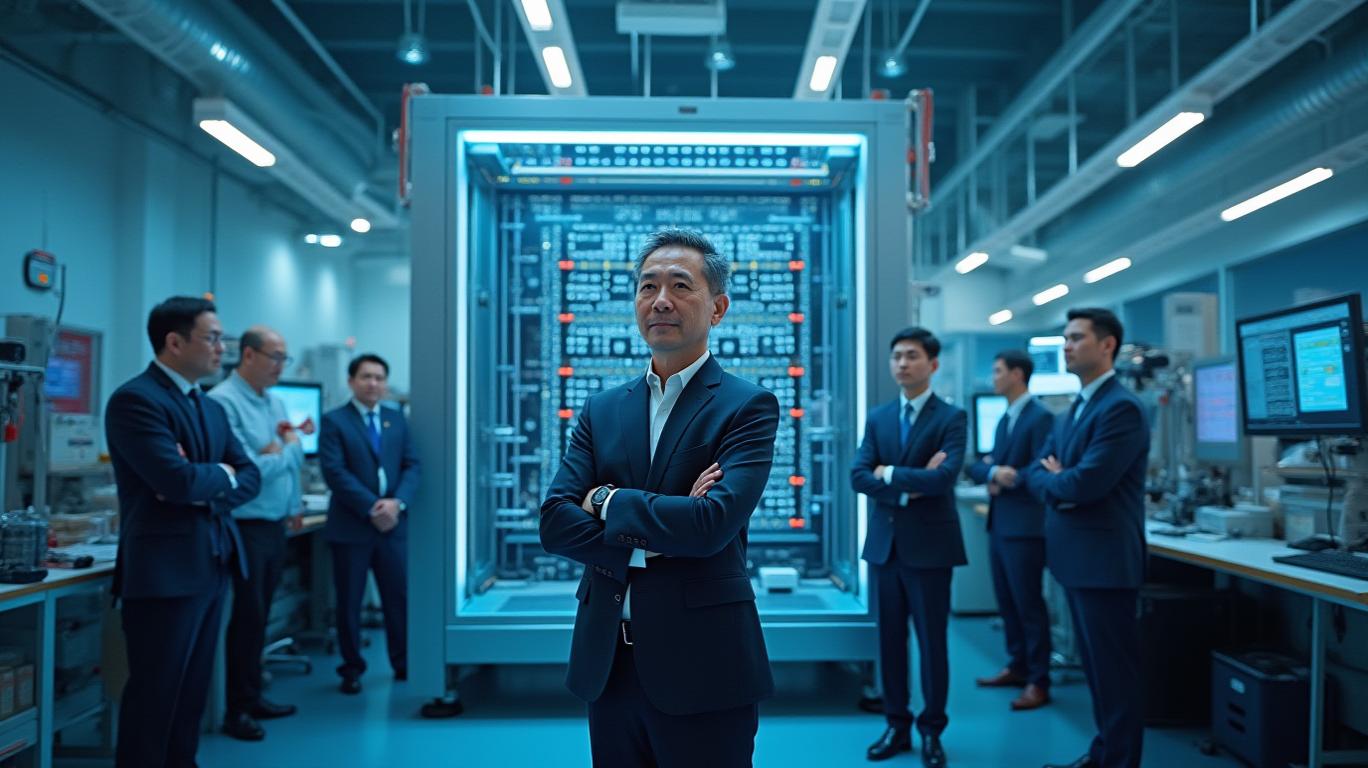
Geopolitical Risks and Opportunities for TSMC
TSMC's strategic decisions, such as investing in Arizona fabs and forming global AI chip alliances, can significantly influence its competitive position and market share in the face of geopolitical uncertainties. By diversifying its production locations and strengthening global partnerships, TSMC can mitigate potential disruptions in supply chains and maintain its competitive edge in the market.
However, TSMC also faces several geopolitical risks, including supply chain disruptions, U.S. export controls, and Chinese military threats. The U.S. has implemented export controls to limit China's access to advanced semiconductor technology, which could indirectly impact TSMC's operations if it is perceived as aiding China's technological advancements. Additionally, China's aggressive stance towards Taiwan raises concerns about potential disruptions to TSMC's operations, as the company is a critical component in global supply chains.
Mitigating Geopolitical Risks and Enhancing Resilience
To mitigate these geopolitical risks, TSMC should consider the following strategies:
1. Diversify manufacturing: TSMC should continue to invest in building foundries outside of Taiwan, such as in the U.S. and Europe, to reduce its dependence on a single location and mitigate the risk of supply chain disruptions.
2. Strengthen alliances: TSMC should work with international partners, including the U.S., Japan, and South Korea, to create a more distributed and secure supply chain. This could involve collaborations on research and development, joint ventures, or strategic partnerships.
3. Comply with export controls: TSMC should ensure it adheres to U.S. export controls and other international regulations to avoid potential legal and reputational risks. This may involve implementing stricter internal controls and enhancing transparency in its supply chain.
4. Invest in domestic semiconductor manufacturing: The U.S. should accelerate its efforts to bring semiconductor manufacturing back to American soil, which could help reduce its reliance on TSMC and strengthen its supply chain resilience. This could involve expanding public-private partnerships and providing additional incentives for domestic production.
The U.S. Investigation into TSMC's Shipments to Huawei
The U.S. investigation into TSMC's shipments to Huawei has the potential to impact the company's financial outlook and stock performance in both the short and long term. If TSMC is found to have violated export regulations, it could face potential fines or penalties, which could negatively impact its earnings and financial outlook. Additionally, TSMC's reputation and credibility could be damaged, potentially leading to a loss of customer trust and market share. The uncertainty surrounding the investigation could also lead to a decrease in investor confidence, resulting in a sell-off of TSMC shares.
In conclusion, TSMC faces several geopolitical risks and opportunities due to the escalating tensions between the U.S. and China. By diversifying its manufacturing capabilities, strengthening global partnerships, and complying with export controls, TSMC can mitigate these risks and enhance its resilience in the face of geopolitical uncertainties. The U.S. investigation into TSMC's shipments to Huawei has the potential to impact the company's financial outlook and stock performance, but TSMC's strategic decisions can help it maintain its competitive position and market share in the face of geopolitical challenges.
Taiwan Semiconductor Manufacturing Company (TSMC), the world's leading semiconductor foundry, is facing geopolitical headwinds as the U.S. investigates its shipments to Huawei. The U.S. Commerce Department has launched an investigation into TSMC's potential violations of export regulations, which could have significant implications for the company's financial outlook and stock performance. This article explores the geopolitical risks and opportunities for TSMCTSM--, as well as the potential impact of the U.S. investigation on the company's competitive position and market share.
Geopolitical Risks and Opportunities for TSMC
TSMC's strategic decisions, such as investing in Arizona fabs and forming global AI chip alliances, can significantly influence its competitive position and market share in the face of geopolitical uncertainties. By diversifying its production locations and strengthening global partnerships, TSMC can mitigate potential disruptions in supply chains and maintain its competitive edge in the market.
However, TSMC also faces several geopolitical risks, including supply chain disruptions, U.S. export controls, and Chinese military threats. The U.S. has implemented export controls to limit China's access to advanced semiconductor technology, which could indirectly impact TSMC's operations if it is perceived as aiding China's technological advancements. Additionally, China's aggressive stance towards Taiwan raises concerns about potential disruptions to TSMC's operations, as the company is a critical component in global supply chains.
Mitigating Geopolitical Risks and Enhancing Resilience
To mitigate these geopolitical risks, TSMC should consider the following strategies:
1. Diversify manufacturing: TSMC should continue to invest in building foundries outside of Taiwan, such as in the U.S. and Europe, to reduce its dependence on a single location and mitigate the risk of supply chain disruptions.
2. Strengthen alliances: TSMC should work with international partners, including the U.S., Japan, and South Korea, to create a more distributed and secure supply chain. This could involve collaborations on research and development, joint ventures, or strategic partnerships.
3. Comply with export controls: TSMC should ensure it adheres to U.S. export controls and other international regulations to avoid potential legal and reputational risks. This may involve implementing stricter internal controls and enhancing transparency in its supply chain.
4. Invest in domestic semiconductor manufacturing: The U.S. should accelerate its efforts to bring semiconductor manufacturing back to American soil, which could help reduce its reliance on TSMC and strengthen its supply chain resilience. This could involve expanding public-private partnerships and providing additional incentives for domestic production.
The U.S. Investigation into TSMC's Shipments to Huawei
The U.S. investigation into TSMC's shipments to Huawei has the potential to impact the company's financial outlook and stock performance in both the short and long term. If TSMC is found to have violated export regulations, it could face potential fines or penalties, which could negatively impact its earnings and financial outlook. Additionally, TSMC's reputation and credibility could be damaged, potentially leading to a loss of customer trust and market share. The uncertainty surrounding the investigation could also lead to a decrease in investor confidence, resulting in a sell-off of TSMC shares.
In conclusion, TSMC faces several geopolitical risks and opportunities due to the escalating tensions between the U.S. and China. By diversifying its manufacturing capabilities, strengthening global partnerships, and complying with export controls, TSMC can mitigate these risks and enhance its resilience in the face of geopolitical uncertainties. The U.S. investigation into TSMC's shipments to Huawei has the potential to impact the company's financial outlook and stock performance, but TSMC's strategic decisions can help it maintain its competitive position and market share in the face of geopolitical challenges.

Divulgación editorial y transparencia de la IA: Ainvest News utiliza tecnología avanzada de Modelos de Lenguaje Largo (LLM) para sintetizar y analizar datos de mercado en tiempo real. Para garantizar los más altos estándares de integridad, cada artículo se somete a un riguroso proceso de verificación con participación humana.
Mientras la IA asiste en el procesamiento de datos y la redacción inicial, un miembro editorial profesional de Ainvest revisa, verifica y aprueba de forma independiente todo el contenido para garantizar su precisión y cumplimiento con los estándares editoriales de Ainvest Fintech Inc. Esta supervisión humana está diseñada para mitigar las alucinaciones de la IA y garantizar el contexto financiero.
Advertencia sobre inversiones: Este contenido se proporciona únicamente con fines informativos y no constituye asesoramiento profesional de inversión, legal o financiero. Los mercados conllevan riesgos inherentes. Se recomienda a los usuarios que realicen una investigación independiente o consulten a un asesor financiero certificado antes de tomar cualquier decisión. Ainvest Fintech Inc. se exime de toda responsabilidad por las acciones tomadas con base en esta información. ¿Encontró un error? Reportar un problema


SOBRE NOSOTROS
Nuestra historiaAutores de noticiasBase de conocimientosPolítica de privacidadTérmino de usoDescargo de responsabilidad de corretaje de tercerosTérminos de uso de AIMEDivulgaciones de riesgos de AInvest AICarrerasCONTÁCTENOS
Email: support@ainvest.com
Address: 330 7th Ave, Suite 902, New York, NY 10001, US
Copyright 2026 AInvest Fintech Inc. All rights reserved.


Comentarios
Aún no hay comentarios