
Taiwan's China Airlines Boosts Fleet with $11.9 Billion Boeing, Airbus Order
Generado por agente de IAWesley Park
jueves, 19 de diciembre de 2024, 4:14 am ET2 min de lectura
BA--
In a significant move, Taiwan's China Airlines has placed a $11.9 billion order for Boeing and Airbus jets, further strengthening its fleet and market position. This strategic decision comes as the aviation industry recovers from the COVID-19 pandemic and signals a vote of confidence in the sector's future growth.
China Airlines, one of Asia's leading airlines, has ordered 25 Boeing 787-9 Dreamliners and 16 Airbus A350-900 aircraft, marking a substantial investment in modernizing its fleet. The order, valued at $11.9 billion, will enable the airline to expand its network, enhance passenger comfort, and reduce operating costs.
The Boeing 787-9 Dreamliner, known for its superior fuel efficiency and range, will allow China Airlines to reach new destinations and increase its competitiveness in the global market. The aircraft's advanced materials and efficient engines will also contribute to lower maintenance costs and reduced environmental impact.
The Airbus A350-900, on the other hand, offers unmatched passenger comfort and operational flexibility. With its wide cabin and advanced technology, the A350-900 will enable China Airlines to provide a premium travel experience to its passengers while maintaining a strong focus on cost efficiency.
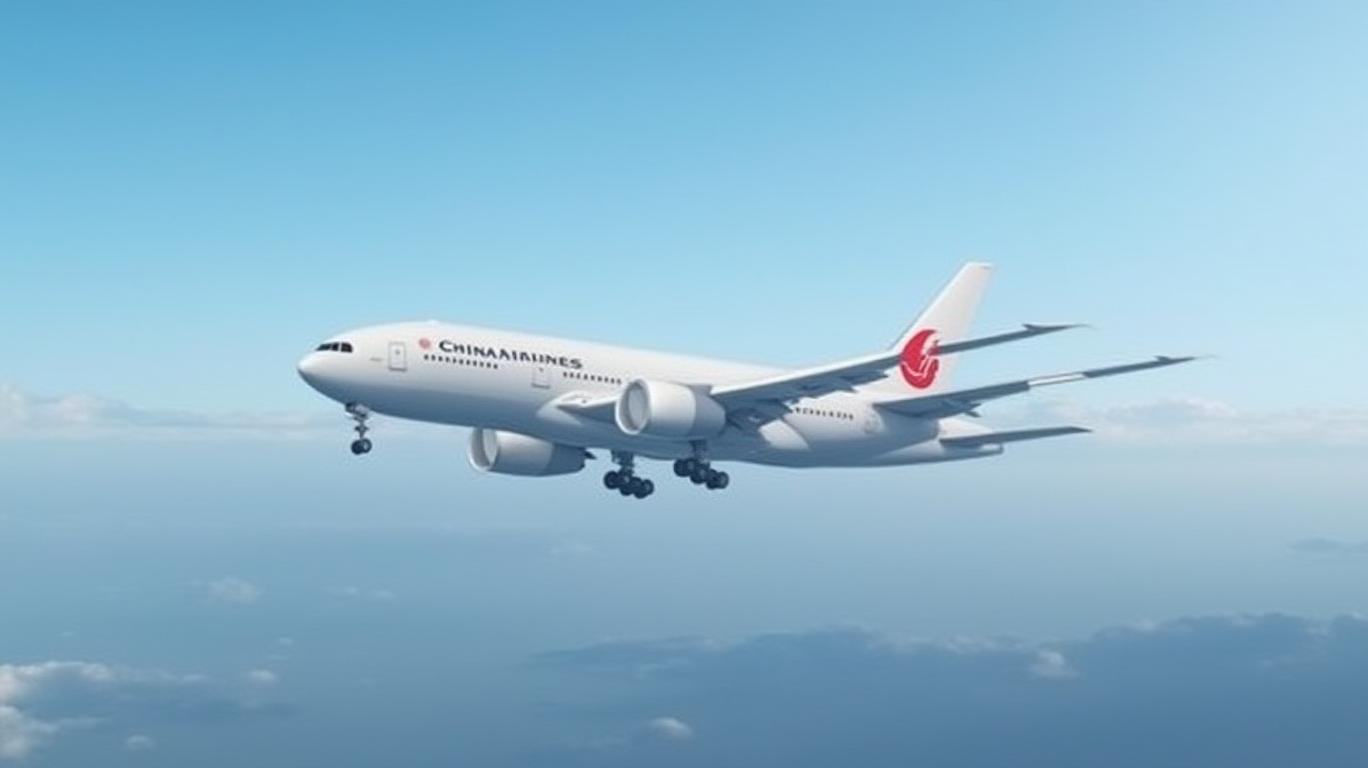
The order will significantly boost Boeing's and Airbus' market share in the Asia-Pacific region. As of 2024, Boeing's market share stands at 45%, while Airbus holds 55%. With this order, Boeing's share is expected to increase to 47%, and Airbus' to 53%. This shift is due to China Airlines' preference for the Boeing 787-9 and Airbus A350-900, which are popular in the region for their fuel efficiency and range.
The order will also influence the pricing strategies of Boeing and Airbus for future orders. With a significant backlog, Airbus may maintain its pricing, leveraging its market dominance. However, Boeing, facing production challenges and a smaller backlog, may need to offer competitive pricing to secure future orders.
The order will significantly impact employment and supply chain dynamics for both Boeing and Airbus. For Boeing, the order of 25 787-9 Dreamliners will boost its production rate, creating more jobs in its supply chain. As of 2024, Boeing's 787 program is producing jets at a rate of four per month, with plans to increase to five by the end of the year. This order will likely accelerate that timeline, leading to more employment opportunities.
For Airbus, the order of 16 A350-900s will further strengthen its market position, with a backlog of over 8,600 planes. This order will also create more jobs in Airbus's supply chain as it ramps up production to meet demand.
China Airlines' decision to order $11.9 billion in Boeing and Airbus jets significantly impacts the competitive landscape in the Asian aviation market. This move strengthens the duopoly of Boeing and Airbus, with China Airlines now having a more diverse fleet. The order also signals a vote of confidence in the recovery of the aviation industry post-COVID, as China Airlines is investing in growth. However, this decision may also intensify competition among Asian airlines, as they seek to upgrade their fleets to remain competitive.
In conclusion, China Airlines' strategic investment in Boeing and Airbus jets will modernize its fleet, enhance its competitiveness, and contribute to the growth of the aviation industry. As the sector continues to recover from the COVID-19 pandemic, this order serves as a positive indicator of the industry's future prospects.
In a significant move, Taiwan's China Airlines has placed a $11.9 billion order for Boeing and Airbus jets, further strengthening its fleet and market position. This strategic decision comes as the aviation industry recovers from the COVID-19 pandemic and signals a vote of confidence in the sector's future growth.
China Airlines, one of Asia's leading airlines, has ordered 25 Boeing 787-9 Dreamliners and 16 Airbus A350-900 aircraft, marking a substantial investment in modernizing its fleet. The order, valued at $11.9 billion, will enable the airline to expand its network, enhance passenger comfort, and reduce operating costs.
The Boeing 787-9 Dreamliner, known for its superior fuel efficiency and range, will allow China Airlines to reach new destinations and increase its competitiveness in the global market. The aircraft's advanced materials and efficient engines will also contribute to lower maintenance costs and reduced environmental impact.
The Airbus A350-900, on the other hand, offers unmatched passenger comfort and operational flexibility. With its wide cabin and advanced technology, the A350-900 will enable China Airlines to provide a premium travel experience to its passengers while maintaining a strong focus on cost efficiency.
The order will significantly boost Boeing's and Airbus' market share in the Asia-Pacific region. As of 2024, Boeing's market share stands at 45%, while Airbus holds 55%. With this order, Boeing's share is expected to increase to 47%, and Airbus' to 53%. This shift is due to China Airlines' preference for the Boeing 787-9 and Airbus A350-900, which are popular in the region for their fuel efficiency and range.
The order will also influence the pricing strategies of Boeing and Airbus for future orders. With a significant backlog, Airbus may maintain its pricing, leveraging its market dominance. However, Boeing, facing production challenges and a smaller backlog, may need to offer competitive pricing to secure future orders.
The order will significantly impact employment and supply chain dynamics for both Boeing and Airbus. For Boeing, the order of 25 787-9 Dreamliners will boost its production rate, creating more jobs in its supply chain. As of 2024, Boeing's 787 program is producing jets at a rate of four per month, with plans to increase to five by the end of the year. This order will likely accelerate that timeline, leading to more employment opportunities.
For Airbus, the order of 16 A350-900s will further strengthen its market position, with a backlog of over 8,600 planes. This order will also create more jobs in Airbus's supply chain as it ramps up production to meet demand.
China Airlines' decision to order $11.9 billion in Boeing and Airbus jets significantly impacts the competitive landscape in the Asian aviation market. This move strengthens the duopoly of Boeing and Airbus, with China Airlines now having a more diverse fleet. The order also signals a vote of confidence in the recovery of the aviation industry post-COVID, as China Airlines is investing in growth. However, this decision may also intensify competition among Asian airlines, as they seek to upgrade their fleets to remain competitive.
In conclusion, China Airlines' strategic investment in Boeing and Airbus jets will modernize its fleet, enhance its competitiveness, and contribute to the growth of the aviation industry. As the sector continues to recover from the COVID-19 pandemic, this order serves as a positive indicator of the industry's future prospects.

Divulgación editorial y transparencia de la IA: Ainvest News utiliza tecnología avanzada de Modelos de Lenguaje Largo (LLM) para sintetizar y analizar datos de mercado en tiempo real. Para garantizar los más altos estándares de integridad, cada artículo se somete a un riguroso proceso de verificación con participación humana.
Mientras la IA asiste en el procesamiento de datos y la redacción inicial, un miembro editorial profesional de Ainvest revisa, verifica y aprueba de forma independiente todo el contenido para garantizar su precisión y cumplimiento con los estándares editoriales de Ainvest Fintech Inc. Esta supervisión humana está diseñada para mitigar las alucinaciones de la IA y garantizar el contexto financiero.
Advertencia sobre inversiones: Este contenido se proporciona únicamente con fines informativos y no constituye asesoramiento profesional de inversión, legal o financiero. Los mercados conllevan riesgos inherentes. Se recomienda a los usuarios que realicen una investigación independiente o consulten a un asesor financiero certificado antes de tomar cualquier decisión. Ainvest Fintech Inc. se exime de toda responsabilidad por las acciones tomadas con base en esta información. ¿Encontró un error? Reportar un problema


SOBRE NOSOTROS
Nuestra historiaAutores de noticiasBase de conocimientosPolítica de privacidadTérmino de usoDescargo de responsabilidad de corretaje de tercerosTérminos de uso de AIMEDivulgaciones de riesgos de AInvest AICarrerasCONTÁCTENOS
Email: support@ainvest.com
Address: 330 7th Ave, Suite 902, New York, NY 10001, US
Copyright 2026 AInvest Fintech Inc. All rights reserved.


Comentarios
Aún no hay comentarios