
Systemic Risks in the Crypto Market: Trump-Era Trade Policies and Cascading Liquidations
The Macroeconomic Catalyst: Trump's Tariffs and Economic Uncertainty
The Trump-era trade policies (2017–2021) and their 2025 escalation reshaped global economic dynamics through aggressive tariffs, including 10–46% levies on imports from China, the EU, and North America. These policies aimed to reduce the U.S. trade deficit and incentivize domestic manufacturing but introduced systemic uncertainty. According to a Tax Foundation report, tariffs reduced U.S. GDP by 0.8% pre-retaliation, while consumer prices rose by 1.8%, disproportionately affecting sectors like textiles and automotive manufacturing. The ripple effects extended beyond traditional markets, as cryptocurrencies-increasingly viewed as risk-on assets-mirrored equity market declines during tariff-driven volatility, as discussed in an Affidaty analysis.
Cascading Liquidations: Tariffs as a Macro Trigger
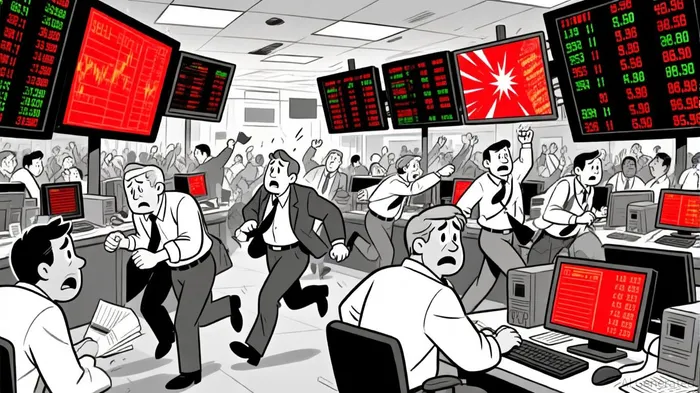
The crypto market's sensitivity to macroeconomic shocks became evident during Trump's 2025 tariff announcements. For instance, a 100% tariff on Chinese imports triggered a 12% single-day drop in BitcoinBTC--, wiping out $20 billion in trader positions and liquidating over 1.6 million accounts, according to CryptoNews. Similarly, reactivated tariffs on Canada and Mexico in February 2025 caused $950 million in liquidations, with EthereumETH-- suffering $255 million in losses, as reported by Cryptobriefing. These events underscored the fragility of leveraged positions in a market already prone to high volatility.
Academic analyses confirm this interplay. A ScienceDirect study found that U.S. trade policy uncertainty Granger-caused cryptocurrency price movements, particularly during extreme market conditions. The correlation between crypto and traditional markets-exemplified by the S&P 500's 3.7% drop alongside Bitcoin's $95,200 slump-highlighted systemic risks, as noted in a CGAA article.
Regulatory Responses: Clarity or Chaos?
The Trump administration's regulatory approach shifted from enforcement to fostering innovation. In 2025, the President's Working Group on Digital Asset Markets and the SEC's Crypto Task Force aimed to create a structured framework, rescinding the IRS's "broker rule" and passing the GENIUS Act for stablecoins, as described in the Tax Foundation report cited above. While these measures reduced regulatory ambiguity, they also introduced compliance burdens for DeFi platforms.
However, regulatory clarity alone couldn't mitigate liquidation risks. For example, the reactivation of tariffs in 2025 coincided with a 4.5% crypto market drop, as investors fled risk assets amid fears of prolonged trade wars, as reported by BeInCrypto. The administration's focus on innovation failed to address the inherent leverage in crypto trading, which amplified losses during sudden price collapses.
Systemic Risk and the Path Forward
Academic research underscores the asymmetric relationship between trade policies and crypto markets. A 2025 ScienceDirect study noted that while Trump-era policies didn't directly cause the 2021 crypto systemic risk peak, they exacerbated volatility through interconnected global supply chains and currency fluctuations. The Miran Doctrine's dollar-devaluation strategy further complicated matters, as weaker U.S. exports and retaliatory tariffs disrupted trade flows and investor sentiment, as discussed in the Affidaty analysis referenced earlier.
For investors, the lesson is clear: macroeconomic triggers like tariffs can rapidly destabilize crypto markets. Diversification, risk management, and hedging against leverage are critical. Regulators must balance innovation with safeguards to prevent cascading failures, particularly as crypto's integration with traditional finance deepens.
Conclusion
Trump-era trade policies have demonstrated their power to act as both catalysts and accelerants for crypto market volatility. From $20 billion liquidation events to regulatory pivots, the interplay between tariffs and digital assets reveals a market still grappling with systemic risks. As macroeconomic uncertainty persists, investors and policymakers must remain vigilant-leveraging historical patterns to navigate the next wave of shocks.






Comentarios
Aún no hay comentarios