
Syrian Market Reopening: Geopolitical Shifts Unlock Energy & Infrastructure Goldmines
The U.S. decision to remove sanctions on Syria, announced during President Trump’s May 2025 Gulf tour, marks a seismic shift in Middle Eastern geopolitics. This move, driven by strategic Gulf partnerships and regional stability imperatives, has unlocked a once-in-a-generation opportunity for investors in energy rehabilitation, post-war reconstruction, and cross-border logistics. With Syria’s interim government now seeking global reintegration, the stage is set for a resource-rich nation to emerge from isolation—provided investors act swiftly to capitalize on these nascent opportunities.
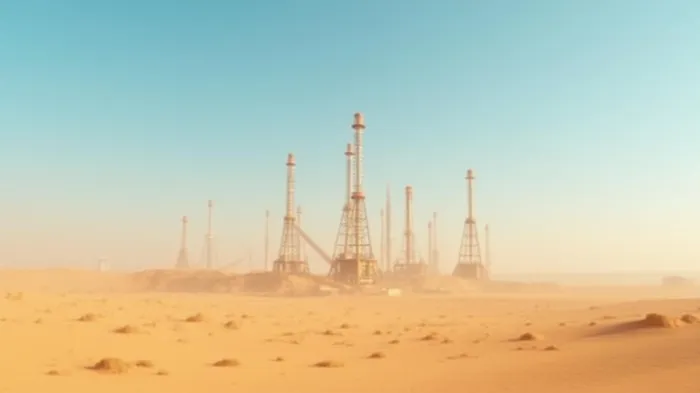
Geopolitical Realignment: The Gulf’s Catalyst Role
The U.S. sanctions reversal, finalized during Trump’s May 13 trip to Riyadh, was a direct response to Gulf diplomacy. Saudi Arabia, Qatar, and the UAE leveraged their influence to push Washington toward Syria’s rehabilitation, framing it as a pillar of regional stability. This alignment reflects a broader shift: Gulf states now view Syria’s post-Assad era as a critical buffer against Iranian influence. For investors, this means a green light to engage in sectors where Gulf capital and expertise are already flowing.
Energy Assets: The Heart of Syria’s Economic Renaissance
Syria’s oil reserves, estimated at 2.5 billion barrels, lie at the center of its post-sanction revival. Under General License 24 (GL 24), the U.S. has temporarily authorized energy-related transactions until July 2025—a deadline investors must beat. Key entry points include:
- Oil Rehabilitation: Gulf firms like Saudi Aramco and Qatar Energy are poised to partner with Syrian state-owned entities to restart production.
- Natural Gas Potential: Syria’s unexploited gas reserves, particularly in the Homs Basin, could fuel regional energy networks.
Gulf energy giants’ performance underscores the sector’s regional dominance—Syria’s revival could mirror this trajectory.
Infrastructure: A $50 Billion Rebuilding Bonanza
Syria’s war-torn cities require an estimated $50 billion in reconstruction. The interim government’s priority is rebuilding electricity grids, roads, and housing—a sector ripe for Gulf-backed construction firms. Watch for:
- Public-Private Partnerships (PPPs): Qatar’s Diar Real Estate and UAE-based Arabtec Holding are already eyeing Syrian projects.
- EU Synergy: The EU’s February 2025 sanctions suspension has opened the door for European firms to join Gulf investors in rebuilding critical infrastructure.
Regional Logistics: Syria’s Strategic Crossroads
Syria’s geographic position between Europe, Asia, and the Gulf makes it a logistics hub-in-waiting. Key plays include:
- Port Revival: The port of Latakia could become a transshipment gateway for Gulf trade with Europe.
- Trade Corridors: Reopening the M5 highway and restoring rail links to Jordan could attract logistics firms like Dubai-based DP World.
Risks: Navigating the Minefield
While opportunities abound, Syria’s risks remain stark:
- Political Uncertainty: The interim government’s ties to Hayat Tahrir al-Sham (HTS)—a U.S.-designated terrorist group—could reignite sanctions.
- Debt Overhang: Syria’s $12 billion external debt and crumbling public finances require careful due diligence.
Act Now: The July 2025 Deadline
GL 24’s expiration in July 2025 is a critical inflection point. Investors must move swiftly to:
1. Secure Pre-Approval Deals: Lock in partnerships with Gulf firms before the U.S. reevaluates sanctions.
2. Target Early-Mover Firms: Focus on companies already operating in Syria’s gray zone (e.g., Turkish construction firms).
3. Monitor Diplomatic Signals: Track U.S.-Russia talks on Syria’s political future—stability here could unlock full sanctions removal.
The Middle East’s economic resurgence is outpacing global markets—Syria’s reopening could amplify this trend.
Conclusion: A Strategic Bet on Middle Eastern Diplomacy
Syria’s market reopening is not merely an investment play—it’s a bet on the success of Gulf-U.S. diplomacy reshaping the region. While risks linger, the confluence of geopolitical tailwinds, energy wealth, and infrastructure demand positions Syria as a frontier market with asymmetric upside. The July 2025 GL 24 deadline is a clarion call: investors who act decisively now could secure stakes in one of the 21st century’s most compelling emerging opportunities.
Act before the window closes.







Comentarios
Aún no hay comentarios