
Syria's Postwar Pivot: Geopolitical Realignments and the Playbook for Infrastructure Investors
The Syrian conflict's shifting tides have birthed a rare opportunity for investors willing to navigate geopolitical complexity. With U.S. sanctions lifted and a new HTS-led government in place, Syria's postwar recovery is now a high-risk, high-reward frontier for infrastructure and energy plays. Turkey's construction sector and Gulf capital stand poised to capitalize, but investors must thread the needle between strategic upside and enduring instability.
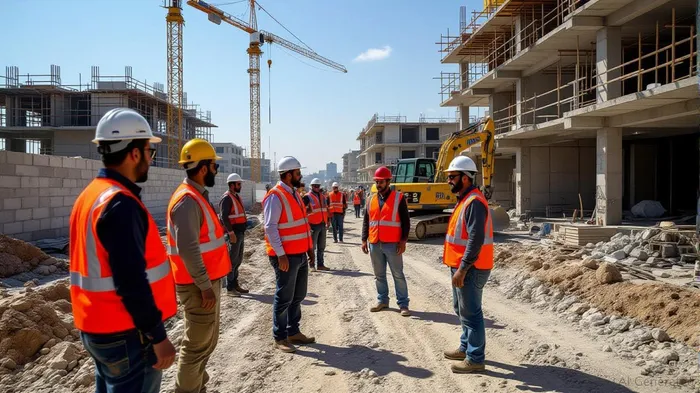
Geopolitical Realignment: The New Rules of the Game
Syria's pivot toward the West, Turkey, and Gulf states marks a seismic shift from its historical Iranian-Russian orbit. The U.S. sanctions reversal (July 2025) and Gulf financial lifelines—$7 billion in energy deals, $15.5 million in World Bank debt relief—have created a foundation for reconstruction. Key drivers include:
- Turkish Influence: Ankara's diplomatic clout and construction expertise position it as Syria's primary builder. Its firms, like ENKA and Yapi Merkezi, dominate regional projects and benefit from Turkey's preexisting logistical footprint.
- Gulf Capital: Saudi Arabia and Qatar are funneling cash into energy, ports, and housing, leveraging Syria's strategic location between Europe and Asia.
The HTS government's alignment with Israel—despite public skepticism—adds a volatile wildcard. While normalization talks with Israel could unlock further U.S. support, they risk destabilizing Syria's fragile unity and alienating Iran's proxies.
Sectors to Watch: From UXO Clearance to Energy Monetization
1. Short-Term Plays: Debris Removal and Mine Clearance
The immediate need to clear urban rubble and unexploded ordnance (UXO) is a logistical lifeline. Investors should target firms specializing in postwar reconstruction:
- Ares Military (ARES:NYSE): Specializes in UXO clearance and urban demolition. Its contracts in Ukraine and Lebanon position it to bid for Syrian projects.
- Turkey's “Reconstruction Clusters”: Firms like Çalık Holding (which owns ENKA) and Doosan Infracore (excavation equipment) are already mobilizing teams.
2. Long-Term Infrastructure: Ports, Power, and Pipelines
Syria's infrastructure is in ruins, with estimates of $400 billion needed to rebuild. Gulf-backed funds are the likely financiers:
- Saudi Infrastructure Fund (SIF): Could invest in Syria's Mediterranean ports (e.g., Tartus, Latakia) to diversify Riyadh's trade routes.
- Qatar Energy's Expansion: The $7 billion Qatari-U.S.-Turkish energy deal targets gas pipelines and power grids, reducing Syria's reliance on Iranian imports.
3. Energy Rebirth: Solar, Gas, and Geopolitical Leverage
Syria's untapped solar potential (average 300+ days of sun/year) and gas reserves make it a Gulf priority. Projects like the Arab Gas Pipeline (connecting Egypt, Jordan, Syria) could transform the region's energy architecture—benefiting firms like Saudi Aramco and Turkish Petroleum Corporation (TPAO).
Risks: Sanctions, Secrecy, and Sectarianism
- Sanctions Lingering: While the U.S. lifted broad sanctions, the PAARSS program retains strictures on entities linked to Iran or Assad. Due diligence is critical—invest in firms with transparent compliance.
- Political Uncertainty: HTS's legitimacy remains contested, and Iran's covert destabilization (e.g., funding militias) could erupt. Monitor Iranian military procurement data (e.g., IRGC arms imports) for early warning signs.
- Social Tensions: Syria's sectarian divides and Palestinian solidarity movements could derail normalization with Israel.
Investment Strategy: A Tactical Allocation Framework
Core Position (30%): Turkey's Export-Driven Firms
- Why? Turkey's construction sector has the scale, expertise, and political alignment to dominate Syria's rebuild.
- Top Picks:
- ENKA (ENKD:ISE): Leader in cross-border infrastructure.
- Yapi Merkezi (YAPI:ISE): Specializes in housing, a critical need in cities like Aleppo.
Satellite Position (20%): Gulf Infrastructure Funds
- Why? Gulf sovereign wealth funds offer diversification and access to energy megaprojects.
- Top Picks:
- Saudi Infrastructure Fund (SIF): Focus on port and transportation projects.
- Qatar Infrastructure Bank: Targets energy and telecoms.
Hedge Position (10%): UXO Clearance Plays
- Why? Low-tech but high-demand, with contracts flowing to specialized firms.
- Top Pick: Ares Military (ARES:NYSE).
Avoid: Direct investment in Syrian equities until governance stabilizes.
Conclusion: A Fragile Dawn for Investors
Syria's postwar recovery is a high-stakes gamble where geopolitical calculus drives returns. Turkey's construction firms and Gulf energy funds are the clearest beneficiaries, but investors must layer risk mitigation—tracking sanctions updates, UXO clearance progress, and Iranian mischief. For those willing to parse the chaos, Syria's rebirth offers a rare chance to profit from the Middle East's next realignment.
Final Note: Monitor U.S.-Russia relations closely. Moscow's retreat from Tartus and pivot to Libya creates a “geopolitical vacuum” that could reignite proxy wars—potentially derailing reconstruction.







Comentarios
Aún no hay comentarios