
The Synergy of Stardom and Stone: How Celebrities Master Real Estate and Entertainment Investments Through Strategic Timing and Cross-Industry Leverage
In the evolving landscape of high-net-worth investments, media and celebrity influence have emerged as pivotal forces reshaping real estate and entertainment portfolios. From 2020 to 2025, celebrities have demonstrated a strategic shift toward diversified, privacy-focused, and cross-industry-aligned real estate investments, leveraging their cultural capital to amplify financial returns. This analysis explores how strategic timing and cross-industry leverage have become cornerstones of their success, supported by case studies and market trends.
Strategic Timing: Market Entry, Tax Advantages, and Long-Term Gains
Celebrities are increasingly timing real estate investments to align with macroeconomic shifts and personal career trajectories. For instance, the exodus of Hollywood stars to Paradise, 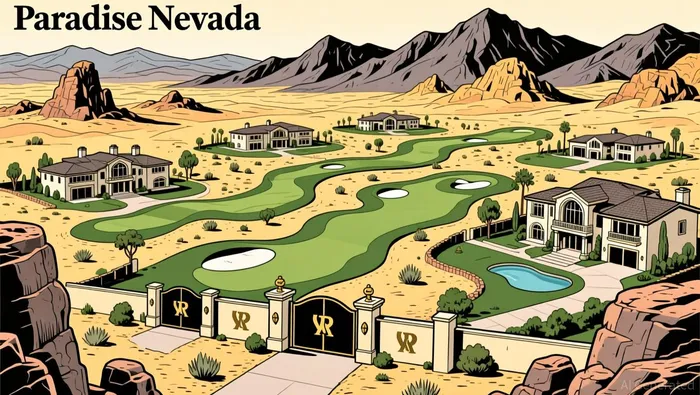 Nevada, in 2025-driven by Nevada's 0% state income tax-has transformed the area into a luxury real estate hotspot. Stars like Leonardo DiCaprio and Dwayne Johnson have capitalized on this trend, purchasing properties in Paradise not only for privacy but to exploit tax savings of millions annually according to reports.
Strategic timing also extends to investment methodologies. The BRRRR (Buy, Rehab, Rent, Refinance, Repeat) strategy, popular among real estate investors, has gained traction among celebrities seeking scalable returns. By acquiring distressed properties in high-growth markets, renovating them, and refinancing to free up capital, stars can build diversified portfolios while minimizing risk according to experts. Similarly, the buy-and-hold approach remains a staple in stable markets like Florida and Texas, where 8.1% and 7.3% annual growth rates, respectively, ensure long-term appreciation according to market analysis.
Cross-Industry Leverage: Blending Media, Branding, and Real Estate
Celebrities are no longer passive investors; they are architects of cross-industry synergies. By aligning real estate purchases with media projects, they amplify both financial and cultural returns. For example, DiCaprio's 104-acre eco-restorative resort in Belize not only serves as a private retreat but also aligns with his environmental advocacy, enhancing its marketability as a sustainable tourism asset according to industry reports. Similarly, Netflix's $1.2 billion studio in Monmouth County, New Jersey, has spurred celebrity interest in nearby luxury properties like The Atlantic Club Residences, where proximity to production facilities creates dual utility for both work and leisure according to market observations.
Brand partnerships further illustrate this leverage. Dwayne Johnson's collaborations with Under Armour and Teremana tequila, Selena Gomez's Rare Beauty line, and Kylie Jenner's Skims ventures demonstrate how personal brands can be monetized across industries. These ventures often intersect with real estate; for instance, a celebrity-owned resort might double as a filming location for a branded documentary, generating revenue from both sectors according to case studies.
Case Studies: From Islands to Ranches
- Leonardo DiCaprio's Belize Island: Purchased in 2005, this property was redeveloped into an eco-tourism hub by 2025, reflecting a long-term vision that combines environmental stewardship with real estate value. The project's success underscores the importance of aligning investments with global trends like sustainability according to market analysis.
- Drake's Texas Ranch: A 313-acre property featuring equestrian facilities and an organic farm, this investment highlights the shift toward multi-purpose assets that cater to both personal lifestyle and rental income according to industry reports.
- Netflix's New Jersey Studio: By acquiring a 300-acre site for a production complex, NetflixNFLX-- has catalyzed a real estate boom in the area, attracting celebrities who invest in adjacent properties for both proximity and tax benefits according to market reports.
Conclusion: The Future of Celebrity-Driven Investment
The convergence of media influence, strategic timing, and cross-industry leverage has redefined celebrity real estate investments. As tax incentives, privacy concerns, and digital marketing tools evolve, stars will continue to prioritize assets that offer both financial resilience and cultural relevance. For investors, the lesson is clear: success lies not in isolated ventures but in creating ecosystems where real estate, entertainment, and branding reinforce one another.





Comentarios
Aún no hay comentarios