
Swiss Court to Rule on Landmark Trafigura Corruption Case
Generado por agente de IAHarrison Brooks
viernes, 31 de enero de 2025, 4:13 am ET2 min de lectura
ABBV--
The commodities trading industry is bracing for a significant ruling as the Swiss Federal Criminal Court prepares to deliver its verdict in the landmark corruption case involving Trafigura Group and three other defendants. The trial, which began on December 2, 2024, has been closely watched by industry insiders and anti-corruption advocates alike, as it marks the first time a company has been charged at its highest court with corrupting a foreign official in Switzerland.
Trafigura, one of the world's largest commodities traders, stands accused of paying bribes of more than $5 million via a network of intermediaries to an Angolan oil official in exchange for oil and shipping contracts between 2009 and 2011. The company's former parent company, Trafigura Beheer BV (TBBV), has maintained that its anti-bribery and anti-corruption controls and compliance program in place at the time met legal requirements and good practice standards. However, prosecutors are seeking a total of over $156 million in penalties and compensation from Trafigura, as well as a four-year jail sentence for former Chief Operating Officer Mike Wainwright.
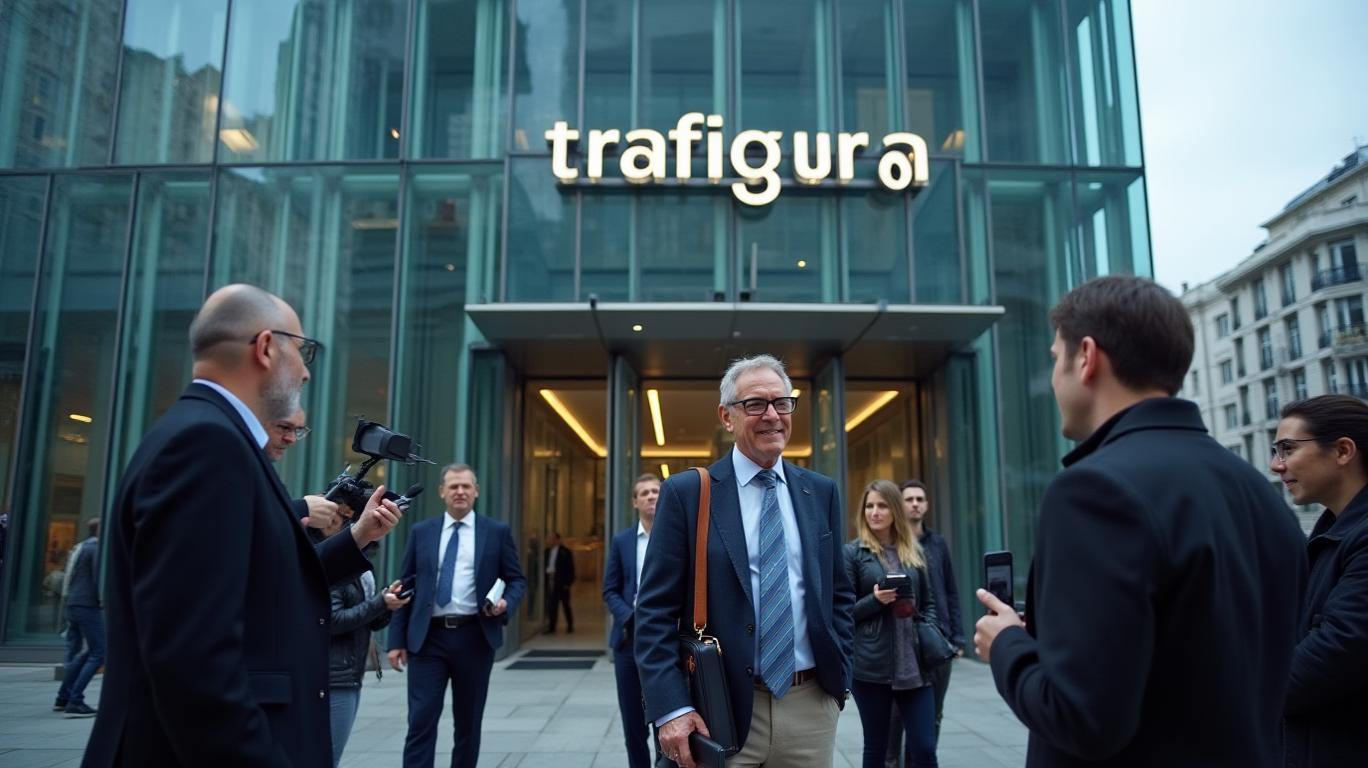
The trial has shed light on the alleged involvement of senior executives, including the late founder of Trafigura, Claude Dauphin, in the bribery scheme. The indictment describes an opaque system of payments, involving intermediaries and third parties, which prosecutors allege was used to funnel bribes to the Angolan official. The case has also highlighted the importance of third-party due diligence and the need for a strong "tone from the top" in promoting an ethical culture and compliance with anti-corruption laws.
The outcome of this trial could have significant implications for Trafigura's reputation and future business prospects, both in Switzerland and globally. A guilty verdict would not only result in financial penalties but also damage the company's image, impact its ability to secure new contracts, and potentially lead to stricter regulations and oversight. Conversely, an acquittal could boost the industry's reputation and confidence.
The broader commodities trading industry may also face potential implications, particularly in terms of anti-corruption measures and compliance. The case has underscored the importance of robust anti-bribery and corruption controls, third-party due diligence, and a strong ethical culture. Companies should review and strengthen their ABC controls to ensure they are effective in preventing and detecting corruption. Additionally, the case may lead to increased regulatory scrutiny and the development or strengthening of industry standards for anti-corruption compliance.
In conclusion, the Swiss court's ruling in the Trafigura corruption case will have far-reaching implications for the commodities trading industry, both in terms of reputation and regulatory environment. As the industry awaits the verdict, companies should take this opportunity to review and enhance their anti-corruption measures and compliance programs to ensure they are in line with international best practices and legal requirements.
LARK--
MET--
The commodities trading industry is bracing for a significant ruling as the Swiss Federal Criminal Court prepares to deliver its verdict in the landmark corruption case involving Trafigura Group and three other defendants. The trial, which began on December 2, 2024, has been closely watched by industry insiders and anti-corruption advocates alike, as it marks the first time a company has been charged at its highest court with corrupting a foreign official in Switzerland.
Trafigura, one of the world's largest commodities traders, stands accused of paying bribes of more than $5 million via a network of intermediaries to an Angolan oil official in exchange for oil and shipping contracts between 2009 and 2011. The company's former parent company, Trafigura Beheer BV (TBBV), has maintained that its anti-bribery and anti-corruption controls and compliance program in place at the time met legal requirements and good practice standards. However, prosecutors are seeking a total of over $156 million in penalties and compensation from Trafigura, as well as a four-year jail sentence for former Chief Operating Officer Mike Wainwright.
The trial has shed light on the alleged involvement of senior executives, including the late founder of Trafigura, Claude Dauphin, in the bribery scheme. The indictment describes an opaque system of payments, involving intermediaries and third parties, which prosecutors allege was used to funnel bribes to the Angolan official. The case has also highlighted the importance of third-party due diligence and the need for a strong "tone from the top" in promoting an ethical culture and compliance with anti-corruption laws.
The outcome of this trial could have significant implications for Trafigura's reputation and future business prospects, both in Switzerland and globally. A guilty verdict would not only result in financial penalties but also damage the company's image, impact its ability to secure new contracts, and potentially lead to stricter regulations and oversight. Conversely, an acquittal could boost the industry's reputation and confidence.
The broader commodities trading industry may also face potential implications, particularly in terms of anti-corruption measures and compliance. The case has underscored the importance of robust anti-bribery and corruption controls, third-party due diligence, and a strong ethical culture. Companies should review and strengthen their ABC controls to ensure they are effective in preventing and detecting corruption. Additionally, the case may lead to increased regulatory scrutiny and the development or strengthening of industry standards for anti-corruption compliance.
In conclusion, the Swiss court's ruling in the Trafigura corruption case will have far-reaching implications for the commodities trading industry, both in terms of reputation and regulatory environment. As the industry awaits the verdict, companies should take this opportunity to review and enhance their anti-corruption measures and compliance programs to ensure they are in line with international best practices and legal requirements.

Divulgación editorial y transparencia de la IA: Ainvest News utiliza tecnología avanzada de Modelos de Lenguaje Largo (LLM) para sintetizar y analizar datos de mercado en tiempo real. Para garantizar los más altos estándares de integridad, cada artículo se somete a un riguroso proceso de verificación con participación humana.
Mientras la IA asiste en el procesamiento de datos y la redacción inicial, un miembro editorial profesional de Ainvest revisa, verifica y aprueba de forma independiente todo el contenido para garantizar su precisión y cumplimiento con los estándares editoriales de Ainvest Fintech Inc. Esta supervisión humana está diseñada para mitigar las alucinaciones de la IA y garantizar el contexto financiero.
Advertencia sobre inversiones: Este contenido se proporciona únicamente con fines informativos y no constituye asesoramiento profesional de inversión, legal o financiero. Los mercados conllevan riesgos inherentes. Se recomienda a los usuarios que realicen una investigación independiente o consulten a un asesor financiero certificado antes de tomar cualquier decisión. Ainvest Fintech Inc. se exime de toda responsabilidad por las acciones tomadas con base en esta información. ¿Encontró un error? Reportar un problema


SOBRE NOSOTROS
Nuestra historiaAutores de noticiasBase de conocimientosPolítica de privacidadTérmino de usoDescargo de responsabilidad de corretaje de tercerosTérminos de uso de AIMEDivulgaciones de riesgos de AInvest AICarrerasCONTÁCTENOS
Email: support@ainvest.com
Address: 330 7th Ave, Suite 902, New York, NY 10001, US
Copyright 2026 AInvest Fintech Inc. All rights reserved.


Comentarios
Aún no hay comentarios