
Sweden's Stance on Northvolt: A Balanced Approach to Battery Manufacturing
Generado por agente de IAWesley Park
martes, 19 de noviembre de 2024, 9:35 am ET2 min de lectura
Sweden's deputy prime minister, Ebba Busch, has made it clear that the government has no plans to take a stake in struggling battery manufacturer Northvolt. This stance reflects Sweden's commitment to maintaining a strong fiscal position and fostering a competitive business environment. While Northvolt's strategic importance in the green energy transition is undeniable, Sweden's reluctance to intervene in private company bailouts is rooted in past missteps and a desire to encourage private investment.
Northvolt, founded in 2016, has been hailed as Europe's best chance to challenge China's dominance in the electric vehicle (EV) battery market. However, the company has faced financial struggles, leading to job cuts and production delays. Despite its strategic significance, Sweden's leaders have repeatedly assured constituents that the government won't spend taxpayer funds to rescue the cash-strapped company.
Sweden's approach to Northvolt is informed by past industrial bailouts, such as the failed shipbuilding industry rescue in the 1970s and the collapse of carmaker Saab in 2011. These experiences have shaped Sweden's commitment to fiscal responsibility and aversion to taxpayer-funded rescues. Instead, Sweden focuses on creating favorable conditions for businesses to thrive, as seen in its support for Northvolt through grants and favorable regulations.
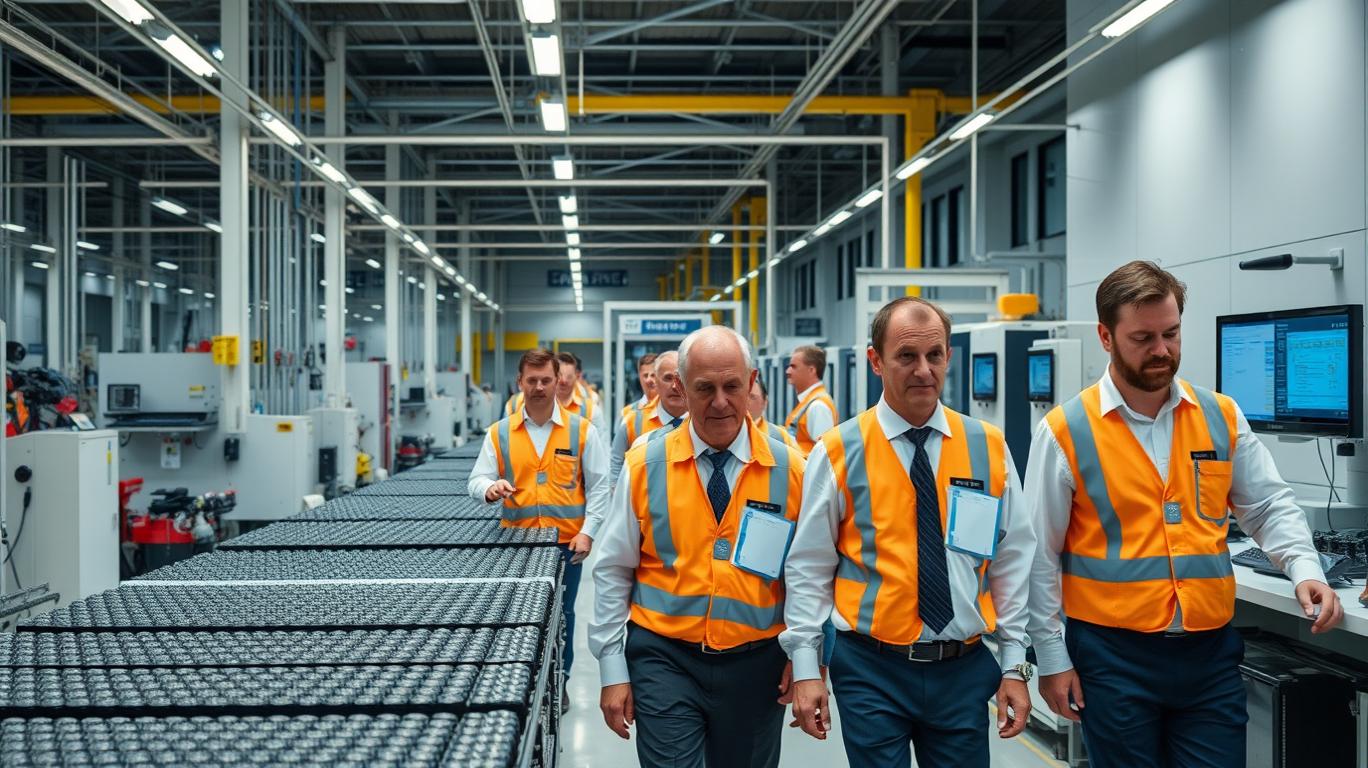
Sweden's emphasis on maintaining a competitive business environment and encouraging private investment is evident in its approach to Northvolt. The government is committed to fostering long-term sustainability and growth, rather than relying on short-term bailouts. This approach aims to maintain a strong fiscal position while supporting strategic industries, such as battery manufacturing.
However, Sweden's reluctance to intervene in Northvolt's financial struggles raises concerns about potential economic and strategic risks. If Northvolt fails or is acquired by foreign interests, Sweden could face significant setbacks in its green transition and technological independence. As a leading battery manufacturer, Northvolt's collapse could disrupt the supply chain for electric vehicles and renewable energy storage, impacting Sweden's competitiveness in these sectors.
Moreover, a foreign acquisition could lead to job losses and a brain drain of skilled workers, further hampering Sweden's technological capabilities. Additionally, Sweden's reputation as a reliable partner for green investments could be tarnished, potentially deterring future foreign direct investments in the country.
To mitigate these risks, Sweden could explore alternative support measures to foster the growth of its domestic battery manufacturing sector without direct ownership. These could include investment in research and development, tax incentives, infrastructure development, public-private partnerships, education and workforce development, regulatory support, and strategic acquisitions.
In conclusion, Sweden's approach to Northvolt reflects its commitment to fiscal responsibility, maintaining a competitive business environment, and fostering long-term sustainability. While the government's reluctance to intervene in private company bailouts raises concerns about potential economic and strategic risks, Sweden can explore alternative support measures to foster the growth of its domestic battery manufacturing sector without direct ownership. By doing so, Sweden can maintain its strong fiscal position while supporting strategic industries and mitigating risks associated with Northvolt's financial struggles.
Northvolt, founded in 2016, has been hailed as Europe's best chance to challenge China's dominance in the electric vehicle (EV) battery market. However, the company has faced financial struggles, leading to job cuts and production delays. Despite its strategic significance, Sweden's leaders have repeatedly assured constituents that the government won't spend taxpayer funds to rescue the cash-strapped company.
Sweden's approach to Northvolt is informed by past industrial bailouts, such as the failed shipbuilding industry rescue in the 1970s and the collapse of carmaker Saab in 2011. These experiences have shaped Sweden's commitment to fiscal responsibility and aversion to taxpayer-funded rescues. Instead, Sweden focuses on creating favorable conditions for businesses to thrive, as seen in its support for Northvolt through grants and favorable regulations.
Sweden's emphasis on maintaining a competitive business environment and encouraging private investment is evident in its approach to Northvolt. The government is committed to fostering long-term sustainability and growth, rather than relying on short-term bailouts. This approach aims to maintain a strong fiscal position while supporting strategic industries, such as battery manufacturing.
However, Sweden's reluctance to intervene in Northvolt's financial struggles raises concerns about potential economic and strategic risks. If Northvolt fails or is acquired by foreign interests, Sweden could face significant setbacks in its green transition and technological independence. As a leading battery manufacturer, Northvolt's collapse could disrupt the supply chain for electric vehicles and renewable energy storage, impacting Sweden's competitiveness in these sectors.
Moreover, a foreign acquisition could lead to job losses and a brain drain of skilled workers, further hampering Sweden's technological capabilities. Additionally, Sweden's reputation as a reliable partner for green investments could be tarnished, potentially deterring future foreign direct investments in the country.
To mitigate these risks, Sweden could explore alternative support measures to foster the growth of its domestic battery manufacturing sector without direct ownership. These could include investment in research and development, tax incentives, infrastructure development, public-private partnerships, education and workforce development, regulatory support, and strategic acquisitions.
In conclusion, Sweden's approach to Northvolt reflects its commitment to fiscal responsibility, maintaining a competitive business environment, and fostering long-term sustainability. While the government's reluctance to intervene in private company bailouts raises concerns about potential economic and strategic risks, Sweden can explore alternative support measures to foster the growth of its domestic battery manufacturing sector without direct ownership. By doing so, Sweden can maintain its strong fiscal position while supporting strategic industries and mitigating risks associated with Northvolt's financial struggles.



Divulgación editorial y transparencia de la IA: Ainvest News utiliza tecnología avanzada de Modelos de Lenguaje Largo (LLM) para sintetizar y analizar datos de mercado en tiempo real. Para garantizar los más altos estándares de integridad, cada artículo se somete a un riguroso proceso de verificación con participación humana.
Mientras la IA asiste en el procesamiento de datos y la redacción inicial, un miembro editorial profesional de Ainvest revisa, verifica y aprueba de forma independiente todo el contenido para garantizar su precisión y cumplimiento con los estándares editoriales de Ainvest Fintech Inc. Esta supervisión humana está diseñada para mitigar las alucinaciones de la IA y garantizar el contexto financiero.
Advertencia sobre inversiones: Este contenido se proporciona únicamente con fines informativos y no constituye asesoramiento profesional de inversión, legal o financiero. Los mercados conllevan riesgos inherentes. Se recomienda a los usuarios que realicen una investigación independiente o consulten a un asesor financiero certificado antes de tomar cualquier decisión. Ainvest Fintech Inc. se exime de toda responsabilidad por las acciones tomadas con base en esta información. ¿Encontró un error? Reportar un problema


SOBRE NOSOTROS
Nuestra historiaAutores de noticiasBase de conocimientosPolítica de privacidadTérmino de usoDescargo de responsabilidad de corretaje de tercerosTérminos de uso de AIMEDivulgaciones de riesgos de AInvest AICarrerasCONTÁCTENOS
Email: support@ainvest.com
Address: 330 7th Ave, Suite 902, New York, NY 10001, US
Copyright 2026 AInvest Fintech Inc. All rights reserved.


Comentarios
Aún no hay comentarios