
Sustainable Luxury: How E-Commerce and Cross-Border Logistics Are Transforming Singapore's $4.45 Billion Market
The luxury market in Singapore is undergoing a seismic shift. No longer confined to high-end boutiques and physical showrooms, it's being redefined by e-commerce platforms, cross-border logistics innovations, and a growing demand for sustainable consumption. This confluence of trends is not just driving growth—it's reshaping how luxury brands operate, compete, and connect with a new generation of consumers.
The E-Commerce Surge: Luxury Goes Digital
Singapore's luxury goods market hit $4.45 billion in 2025, with e-commerce penetration at 10.3%—a figure set to explode as digital-native consumers dominate spending. The “Quiet Luxury” movement—where understated craftsmanship and sustainability trump flashy logos—has amplified demand for online platforms that prioritize authenticity and storytelling.
Consider this:
- Shopee (SE) and Lazada (BABA) now offer luxury authentication services to combat counterfeits, while Amazon (AMZN)'s Singapore fulfillment center cuts delivery times by 30%.
- Mobile commerce is the primary driver, with 26.3% CAGR growth (2018–2023), fueled by apps like Instagram and TikTok, which are now essential for luxury brand engagement.
Cross-Border Logistics: The Global Pipeline for Luxury
Singapore's strategic location and robust infrastructure make it a crossroads for cross-border e-commerce, especially in high-value goods like art, vintage watches, and sustainable fashion. Key trends include:
1. Proxy Buying: Platforms like Vestiaire Collective and The RealReal enable Singaporeans to access niche luxury items unavailable locally.
2. Second-Hand Boom: The pre-owned luxury market is projected to hit $51.77 billion by 2026, with Singaporean SMEs exporting authenticated goods via Huntstreet and Luxury Preloved SG.
3. Smart Logistics: Real-time tracking and AI-driven route optimization ensure high-value items are delivered securely—a must for brands like Richemont (CFR.SWISS) or Kering (KER.PA).
The Sustainability Edge: Why E-Commerce and Logistics Matter
The quiet luxury ethos is inseparable from sustainability. E-commerce and cross-border logistics are enabling two critical pillars:
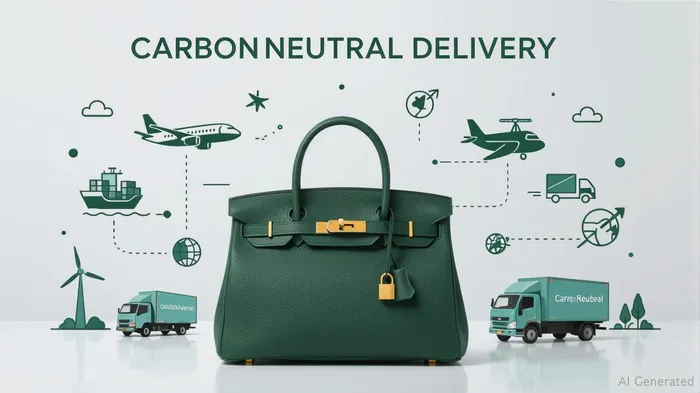
1. Reduced Waste: Online platforms for pre-owned luxury goods cut demand for new resources. A $2,000 vintage Birkin bag shipped from Paris to Singapore via carbon-neutral logistics is both desirable and planet-friendly.
2. Transparency: Blockchain-backed supply chains (used by LVMH) and carbon-footprint tracking tools build trust—critical for millennials and Gen Z, who spend $12,500 annually on luxury but demand ethical practices.
Investment Opportunities: Where to Play
- E-Commerce Infrastructure:
- Sea Group (SE): Dominates Southeast Asia's e-commerce with Shopee, but its margins are under pressure. Look for a pullback to buy.
Logistics Tech: Companies like Flexport or Singapore's Ninja Van (private) are innovating in last-mile delivery and sustainability.
Sustainable Luxury Brands:
- Second-Hand Platforms: Invest in public companies with re-commerce exposure, like ThredUp (TDUP) or Farfetch (FTCH).
Material Innovators: Textile tech firms like Bolt Threads (developing lab-grown silk) could disrupt luxury supply chains.
Government-Backed Plays:
- Singapore's Smart Nation initiatives subsidize tech adoption in logistics. Invest in local logistics stocks like ComfortDelGro (C52.SI) or ETFs tracking Singapore's tech sector.
Risks to Monitor
- Logistics Costs: Rising fuel prices and labor shortages could eat into margins.
- Cybersecurity: Luxury data breaches (e.g., stolen credit card info) could deter online shoppers.
- Counterfeit Concerns: Even with authentication tools, fakes remain a threat to trust.
Conclusion: The Future of Luxury Is Digital and Sustainable
Singapore's luxury market is a microcosm of global trends: e-commerce is the engine, sustainability is the soul, and cross-border logistics are the arteries. For investors, the path forward is clear—back companies that blend cutting-edge logistics with ethical practices. The next decade will belong to those who master the art of quiet luxury in a connected, carbon-conscious world.
Investment Thesis: Allocate 5–10% of a growth portfolio to e-commerce logistics leaders and sustainable luxury platforms. Avoid pure-play brick-and-mortar luxury stocks; the future is digital.





Comentarios
Aún no hay comentarios