
Sustainable Ecosystem-Driven Innovation in Tourism and Real Estate: Capitalizing on Gen Z's Digital Minimalism and Experience-Driven Travel
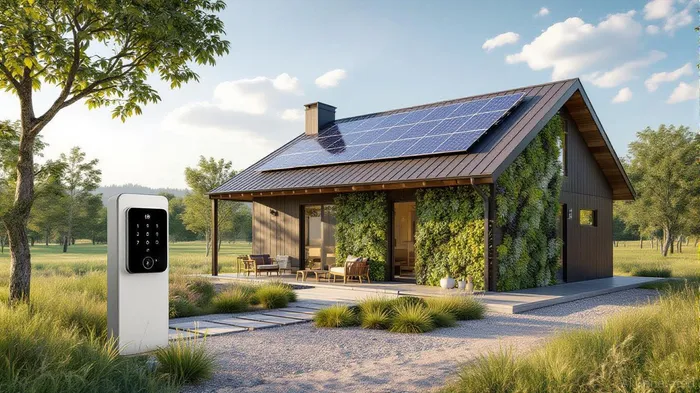
The tourism and real estate industries are undergoing a seismic shift, driven by the values and behaviors of Gen Z. Born between 1997 and 2012, this generation is redefining what it means to travel, prioritize sustainability, and engage with digital tools. By 2025, Gen Z's influence on the short-term rental (STR) market is undeniable, with 76% of them reporting heightened travel interest compared to previous years. Their preferences—centered on authenticity, affordability, and digital minimalism—present a unique opportunity for investors to create high-value, experience-based assets that align with both ecological responsibility and technological innovation.
Gen Z's Travel Preferences: A Blueprint for Sustainable Innovation
Gen Z travelers are not merely seeking accommodations; they are investing in experiences that align with their values. Key traits include:
- Sustainability as a Non-Negotiable: Over 50% of Gen Z travelers prioritize eco-conscious stays, favoring properties with renewable energy, waste reduction practices, and transparent sustainability credentials.
- Digital Minimalism: While they are tech-savvy, Gen Z increasingly values simplicity. They prefer stays that offer seamless digital integration (e.g., smart locks, QR-coded welcome books) without overwhelming them with constant connectivity.
- Cultural Immersion Over Luxury: Gen Z favors offbeat destinations and local experiences, such as homestays, converted school buses, or treehouses, which foster deeper connections to the destination.
- Affordability and Flexibility: With 59% of Gen Z not enrolled in loyalty programs, they prioritize flexible, value-driven stays that allow for spontaneous travel and cost-saving (e.g., kitchens for self-catering).
These preferences are reshaping the STR market, pushing investors to rethink traditional models in favor of ecosystem-driven innovation that balances sustainability, technology, and cultural relevance.
Sustainable Real Estate Trends Aligned with Gen Z's Values
The intersection of sustainable real estate and Gen Z's priorities is creating a fertile ground for innovation. Key trends include:
1. Eco-Friendly Design with Storytelling: Properties that repurpose materials (e.g., converted school buses) or incorporate local art and architecture are not only sustainable but also tell a narrative that resonates with Gen Z's love for authenticity.
2. Smart Tech for Minimalist Living: Digital tools like mobile check-ins, AI-driven concierge services, and energy-efficient systems reduce physical clutter while enhancing convenience.
3. Community-Driven Experiences: STRs that partner with local businesses (e.g., eco-friendly restaurants, artisan workshops) create immersive, purpose-driven stays that align with Gen Z's desire for social responsibility.
4. Regulatory Adaptation: As cities like Barcelona and Malaga tighten STR regulations, investors are pivoting to “undertouristed” areas, such as rural towns or emerging destinations, where sustainability and local engagement are prioritized.
Case Studies: Proving the ROI of Sustainable, Experience-Based STRs
Several markets exemplify the financial and cultural success of Gen Z-aligned STRs:
- The Azores, Portugal: With 6,005 STR listings and a 64% occupancy rate, this eco-tourism hotspot thrives on sustainability and adventure. Properties here average $18.4K in annual revenue, driven by whale-watching tours and volcanic landscape experiences.
- South Padre Island, Texas: A tropical-style beach town with 4,184 STRs, it commands an ADR of $351.8 and a RevPAR of $170. Its success stems from a blend of eco-conscious design, remote work appeal, and a vibrant social scene.
- Riga, Latvia: A rising hub for digital nomads, Riga's STR market leverages smart tech and affordable pricing to attract Gen Z travelers seeking work-life balance and cultural immersion.
These examples highlight how sustainability, unique experiences, and strategic location choices can drive profitability.
Financial Metrics and Investment Strategies
The financial case for Gen Z-focused STRs is compelling:
- Higher ADR and Occupancy: Properties with eco-friendly features see a 123% increase in unique listings since 2020, with ADRs up to $351.8 in high-demand markets.
- Cost Savings: Energy-efficient systems reduce utility bills by 20–30%, improving net operating income (NOI).
- Government Incentives: Certifications like LEED and Energy Star qualify for rebates, lowering upfront costs for sustainable upgrades.
- Dynamic Pricing Tools: AI-driven platforms optimize pricing based on demand, ensuring maximum RevPAR.
For investors, the strategy is clear:
1. Target Undervalued Markets: Focus on “undertouristed” areas with favorable regulations and growing Gen Z traffic, such as Austin, Texas, or Riga, Latvia.
2. Leverage Certifications: Obtain LEED or Energy Star certifications to differentiate properties and qualify for incentives.
3. Integrate Smart Tech: Invest in AI-driven tools for personalized guest experiences and efficient management.
4. Curate Local Experiences: Partner with local businesses to offer unique activities, enhancing the property's value proposition.
Conclusion: Building a Future-Proof Investment Portfolio
Gen Z's influence on the STR market is not a passing trend but a fundamental shift in how travel and real estate intersect. By prioritizing sustainability, digital minimalism, and cultural immersion, investors can create assets that align with this generation's values while capturing significant ROI. The key lies in embracing ecosystem-driven innovation—where properties are not just places to stay but gateways to meaningful, low-impact experiences.
As the vacation rental market grows toward $134 billion by 2034, those who adapt to Gen Z's preferences will not only thrive financially but also contribute to a more sustainable and inclusive travel industry. The time to act is now.







Comentarios
Aún no hay comentarios