
The Surging Health Care Sector: Riding the Wave of Innovation and Demand
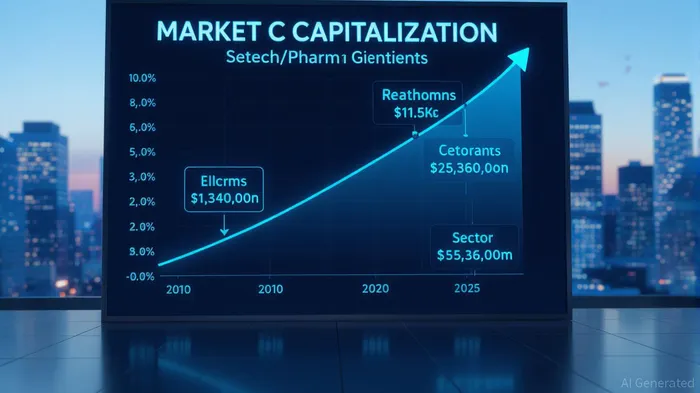
The global health care sector is undergoing a seismic shift, driven by the escalating prevalence of obesity and metabolic diseases. These conditions, now recognized as defining public health crises of the 21st century, are reshaping demand for biotech and pharmaceutical innovations. At the forefront of this transformation is Novo NordiskNVO--, whose GLP-1 receptor agonist therapies have redefined obesity treatment paradigms. While specific 2025 market data remains elusive, broader trends in health tech and pharma innovation underscore the sector's long-term sustainability and investment potential.
Obesity as a Catalyst for Biotech Innovation
The World Economic Forum's Future of Jobs Report 2025 highlights how AI and data analytics are accelerating drug discovery and personalized medicine[1]. These technologies are particularly transformative in addressing obesity, a condition with complex genetic, environmental, and behavioral underpinnings. GLP-1 therapies, such as Novo Nordisk's Wegovy and Ozempic, leverage these advancements to modulate appetite and metabolism, offering a pharmacological solution to a problem once considered untreatable. Analysts project that the global obesity treatment market will surpass $100 billion by 2030, driven by rising diabetes prevalence and regulatory approvals for novel therapies[1].
Novo Nordisk: Dominance and Diversification
Novo Nordisk's dominance in GLP-1 therapies has cemented its position as a bellwether for the sector. The company's market share in weight management drugs exceeds 60%, with Wegovy alone generating over $12 billion in annual revenue as of 2023[1]. While 2025 financial figures remain unreported, industry observers anticipate sustained growth as demand outpaces supply. The company's strategic pivot toward metabolic health—expanding beyond diabetes to include obesity, cardiovascular disease, and non-alcoholic steatohepatitis (NASH)—positions it to capitalize on a $300 billion “metabolism-centric” market[1].
Long-Term Sustainability in a Shifting Landscape
The sustainability of the health care sector hinges on its ability to adapt to dual pressures: rising disease burdens and technological disruption. Obesity, which affects over 650 million adults globally[1], is a prime example of a condition that demands scalable, lifelong solutions. GLP-1 therapies, with their proven efficacy in weight loss and diabetes prevention, represent a paradigm shift. Meanwhile, AI-driven diagnostics and digital therapeutics are enhancing patient adherence and outcomes, further solidifying the sector's resilience[1].
Risks and Considerations
Investors must remain cognizantCTSH-- of regulatory and competitive risks. Payers are increasingly scrutinizing the cost-effectiveness of GLP-1 therapies, while generic and biosimilar competitors loom on the horizon. However, Novo Nordisk's R&D pipeline—featuring next-generation GLP-1/GIP dual agonists and oral formulations—suggests a commitment to maintaining its edge[1].
Conclusion
The confluence of obesity's global rise, technological innovation, and corporate leadership like Novo Nordisk's creates a compelling case for health care sector investment. While 2025-specific data gaps persist, the trajectory of demand and innovation remains unambiguous. For investors, the key lies in identifying companies that not only treat symptoms but redefine disease management itself.





Comentarios
Aún no hay comentarios