
Supreme Court Rejects New Bid to Let President Fire Agency Heads
Generado por agente de IAHarrison Brooks
lunes, 13 de enero de 2025, 10:16 am ET1 min de lectura
GPCR--
The Supreme Court has dealt a blow to the executive branch's efforts to consolidate power, rejecting a bid to allow the president to fire agency heads at will. In a 6-3 decision, the court ruled that the Constitution does not grant the president the authority to remove agency heads without cause, upholding a lower court ruling that blocked the administration's attempt to fire the heads of the Federal Trade Commission (FTC) and the Consumer Financial Protection Bureau (CFPB).
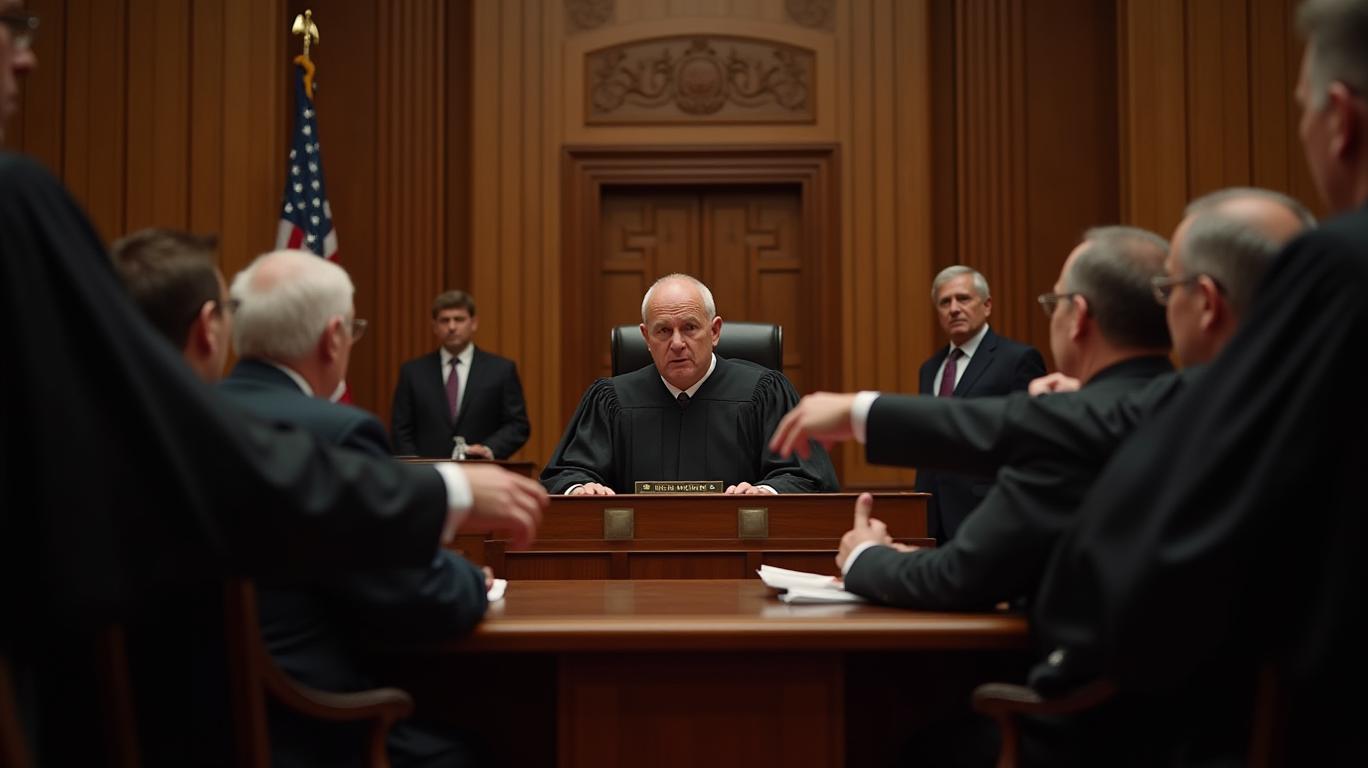
The case, Seila Law LLC v. Consumer Financial Protection Bureau, centered around the CFPB's structure and the president's ability to remove its director. The CFPB, established by the Dodd-Frank Act in response to the 2008 financial crisis, is led by a single director who can only be removed by the president for "cause." The administration argued that this structure violated the Constitution's separation of powers, as it concentrated too much power in the hands of the director.
However, the Supreme Court disagreed, with Chief Justice John Roberts writing for the majority that the CFPB's structure is constitutional. Roberts noted that the agency's single-director structure is similar to that of independent agencies like the Federal Reserve, which have long been recognized as constitutional. The majority also emphasized that the president's ability to remove the director for cause ensures that the agency remains accountable to the executive branch.
The ruling has significant implications for the balance of power between the executive and administrative branches. By upholding the CFPB's structure, the Supreme Court has reinforced the independence of regulatory agencies, ensuring that they can effectively carry out their mandates without undue political interference. This decision is a victory for consumer advocates and those who argue that independent agencies play a crucial role in protecting the public interest.
Moreover, the ruling sends a clear message to the executive branch that it cannot unilaterally dismiss agency heads without cause. This constraint on presidential power helps maintain the checks and balances that are essential to a healthy democracy. The decision also underscores the importance of Congress in establishing the structure and powers of regulatory agencies, as it is ultimately responsible for enacting legislation that creates and governs these bodies.
In conclusion, the Supreme Court's decision in Seila Law LLC v. Consumer Financial Protection Bureau is a significant victory for the independence of regulatory agencies and the separation of powers. By rejecting the administration's bid to allow the president to fire agency heads at will, the court has reinforced the crucial role that independent agencies play in protecting the public interest and maintaining the balance of power between the executive and administrative branches.
The Supreme Court has dealt a blow to the executive branch's efforts to consolidate power, rejecting a bid to allow the president to fire agency heads at will. In a 6-3 decision, the court ruled that the Constitution does not grant the president the authority to remove agency heads without cause, upholding a lower court ruling that blocked the administration's attempt to fire the heads of the Federal Trade Commission (FTC) and the Consumer Financial Protection Bureau (CFPB).
The case, Seila Law LLC v. Consumer Financial Protection Bureau, centered around the CFPB's structure and the president's ability to remove its director. The CFPB, established by the Dodd-Frank Act in response to the 2008 financial crisis, is led by a single director who can only be removed by the president for "cause." The administration argued that this structure violated the Constitution's separation of powers, as it concentrated too much power in the hands of the director.
However, the Supreme Court disagreed, with Chief Justice John Roberts writing for the majority that the CFPB's structure is constitutional. Roberts noted that the agency's single-director structure is similar to that of independent agencies like the Federal Reserve, which have long been recognized as constitutional. The majority also emphasized that the president's ability to remove the director for cause ensures that the agency remains accountable to the executive branch.
The ruling has significant implications for the balance of power between the executive and administrative branches. By upholding the CFPB's structure, the Supreme Court has reinforced the independence of regulatory agencies, ensuring that they can effectively carry out their mandates without undue political interference. This decision is a victory for consumer advocates and those who argue that independent agencies play a crucial role in protecting the public interest.
Moreover, the ruling sends a clear message to the executive branch that it cannot unilaterally dismiss agency heads without cause. This constraint on presidential power helps maintain the checks and balances that are essential to a healthy democracy. The decision also underscores the importance of Congress in establishing the structure and powers of regulatory agencies, as it is ultimately responsible for enacting legislation that creates and governs these bodies.
In conclusion, the Supreme Court's decision in Seila Law LLC v. Consumer Financial Protection Bureau is a significant victory for the independence of regulatory agencies and the separation of powers. By rejecting the administration's bid to allow the president to fire agency heads at will, the court has reinforced the crucial role that independent agencies play in protecting the public interest and maintaining the balance of power between the executive and administrative branches.

Divulgación editorial y transparencia de la IA: Ainvest News utiliza tecnología avanzada de Modelos de Lenguaje Largo (LLM) para sintetizar y analizar datos de mercado en tiempo real. Para garantizar los más altos estándares de integridad, cada artículo se somete a un riguroso proceso de verificación con participación humana.
Mientras la IA asiste en el procesamiento de datos y la redacción inicial, un miembro editorial profesional de Ainvest revisa, verifica y aprueba de forma independiente todo el contenido para garantizar su precisión y cumplimiento con los estándares editoriales de Ainvest Fintech Inc. Esta supervisión humana está diseñada para mitigar las alucinaciones de la IA y garantizar el contexto financiero.
Advertencia sobre inversiones: Este contenido se proporciona únicamente con fines informativos y no constituye asesoramiento profesional de inversión, legal o financiero. Los mercados conllevan riesgos inherentes. Se recomienda a los usuarios que realicen una investigación independiente o consulten a un asesor financiero certificado antes de tomar cualquier decisión. Ainvest Fintech Inc. se exime de toda responsabilidad por las acciones tomadas con base en esta información. ¿Encontró un error? Reportar un problema


SOBRE NOSOTROS
Nuestra historiaAutores de noticiasBase de conocimientosPolítica de privacidadTérmino de usoDescargo de responsabilidad de corretaje de tercerosTérminos de uso de AIMEDivulgaciones de riesgos de AInvest AICarrerasCONTÁCTENOS
Email: support@ainvest.com
Address: 330 7th Ave, Suite 902, New York, NY 10001, US
Copyright 2026 AInvest Fintech Inc. All rights reserved.


Comentarios
Aún no hay comentarios