
US Supreme Court Rejects Binance's Bid to Avoid Crypto Lawsuit
Generado por agente de IANathaniel Stone
lunes, 13 de enero de 2025, 10:25 am ET2 min de lectura
ELF--
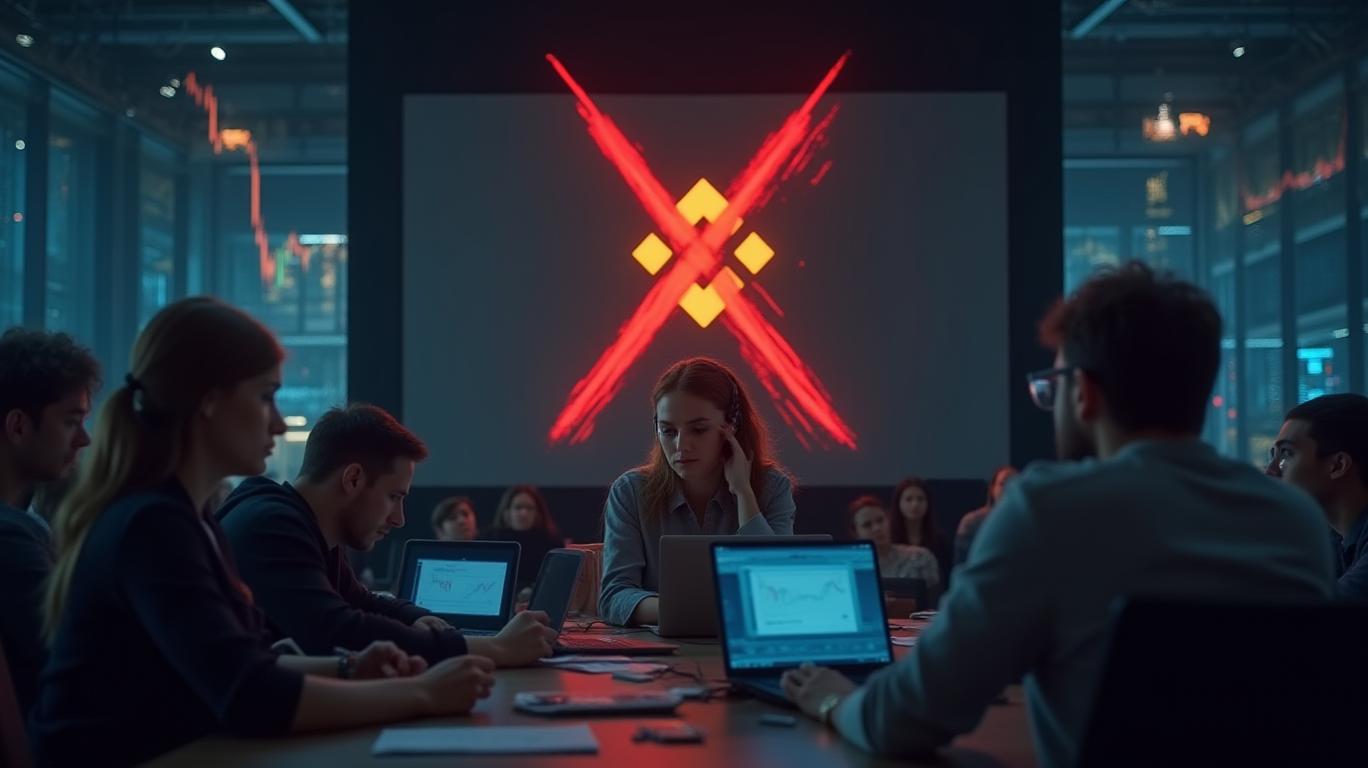
The US Supreme Court has dealt a blow to Binance, the world's largest cryptocurrency exchange, by denying its petition for review of a decision allowing a proposed class action to proceed against it for operating an unregistered securities exchange. The ruling, handed down on Monday, has significant implications for Binance's global operations, reputation, and the broader crypto industry.
Binance sought reversal of the US Court of Appeals for the Second Circuit's ruling that US securities laws apply even though the company allegedly disclaims any physical location. The exchange argued that the Second Circuit misapplied the Morrison v National Australia Bank decision, which limits the extraterritorial reach of US securities laws. However, the Supreme Court declined to hear Binance's appeal, leaving the lower court's decision intact.
The ruling allows a proposed class action to proceed against Binance, alleging that the exchange operated an unregistered securities exchange. The lawsuit, filed by investors who bought ELF, EOS, FUN, ICX, OMG, QSP, and TRX tokens through Binance starting in 2017, accuses the exchange of failing to warn about the "significant risks" of the tokens and seeks to recoup what they paid.
The Supreme Court's decision has far-reaching consequences for Binance and the crypto industry. It reinforces the US government's stance that US securities laws apply to foreign companies that operate in the US market, even if they disclaim any physical location. This could impact Binance's global operations, as it may need to comply with US securities laws and regulations, which could be costly and time-consuming.
Moreover, the decision could damage Binance's reputation, as it is now facing a proposed class action lawsuit in the US. This could lead to negative publicity and a loss of trust among investors and customers. The lawsuit alleges that Binance operated an unregistered securities exchange, which could harm the company's image and credibility.
The ruling also has implications for the broader crypto industry. It sends a strong signal to other crypto exchanges and platforms that they too may face increased scrutiny and potential enforcement actions. This could lead to a more cautious approach by these entities in their operations and compliance with regulations. Additionally, the decision could influence the broader crypto industry's understanding of which tokens are considered securities, affecting how they are treated and regulated.
In conclusion, the US Supreme Court's decision to deny Binance's petition for review has significant implications for Binance's global operations, reputation, and the broader crypto industry. The ruling reinforces the US government's stance on the application of US securities laws to foreign companies operating in the US market and could lead to increased scrutiny and enforcement actions against other crypto exchanges and platforms. As the legal battle between Binance and the US government continues, the crypto industry will likely be watching closely to see how these developments unfold.
EOS--
OMGA--
The US Supreme Court has dealt a blow to Binance, the world's largest cryptocurrency exchange, by denying its petition for review of a decision allowing a proposed class action to proceed against it for operating an unregistered securities exchange. The ruling, handed down on Monday, has significant implications for Binance's global operations, reputation, and the broader crypto industry.
Binance sought reversal of the US Court of Appeals for the Second Circuit's ruling that US securities laws apply even though the company allegedly disclaims any physical location. The exchange argued that the Second Circuit misapplied the Morrison v National Australia Bank decision, which limits the extraterritorial reach of US securities laws. However, the Supreme Court declined to hear Binance's appeal, leaving the lower court's decision intact.
The ruling allows a proposed class action to proceed against Binance, alleging that the exchange operated an unregistered securities exchange. The lawsuit, filed by investors who bought ELF, EOS, FUN, ICX, OMG, QSP, and TRX tokens through Binance starting in 2017, accuses the exchange of failing to warn about the "significant risks" of the tokens and seeks to recoup what they paid.
The Supreme Court's decision has far-reaching consequences for Binance and the crypto industry. It reinforces the US government's stance that US securities laws apply to foreign companies that operate in the US market, even if they disclaim any physical location. This could impact Binance's global operations, as it may need to comply with US securities laws and regulations, which could be costly and time-consuming.
Moreover, the decision could damage Binance's reputation, as it is now facing a proposed class action lawsuit in the US. This could lead to negative publicity and a loss of trust among investors and customers. The lawsuit alleges that Binance operated an unregistered securities exchange, which could harm the company's image and credibility.
The ruling also has implications for the broader crypto industry. It sends a strong signal to other crypto exchanges and platforms that they too may face increased scrutiny and potential enforcement actions. This could lead to a more cautious approach by these entities in their operations and compliance with regulations. Additionally, the decision could influence the broader crypto industry's understanding of which tokens are considered securities, affecting how they are treated and regulated.
In conclusion, the US Supreme Court's decision to deny Binance's petition for review has significant implications for Binance's global operations, reputation, and the broader crypto industry. The ruling reinforces the US government's stance on the application of US securities laws to foreign companies operating in the US market and could lead to increased scrutiny and enforcement actions against other crypto exchanges and platforms. As the legal battle between Binance and the US government continues, the crypto industry will likely be watching closely to see how these developments unfold.

Divulgación editorial y transparencia de la IA: Ainvest News utiliza tecnología avanzada de Modelos de Lenguaje Largo (LLM) para sintetizar y analizar datos de mercado en tiempo real. Para garantizar los más altos estándares de integridad, cada artículo se somete a un riguroso proceso de verificación con participación humana.
Mientras la IA asiste en el procesamiento de datos y la redacción inicial, un miembro editorial profesional de Ainvest revisa, verifica y aprueba de forma independiente todo el contenido para garantizar su precisión y cumplimiento con los estándares editoriales de Ainvest Fintech Inc. Esta supervisión humana está diseñada para mitigar las alucinaciones de la IA y garantizar el contexto financiero.
Advertencia sobre inversiones: Este contenido se proporciona únicamente con fines informativos y no constituye asesoramiento profesional de inversión, legal o financiero. Los mercados conllevan riesgos inherentes. Se recomienda a los usuarios que realicen una investigación independiente o consulten a un asesor financiero certificado antes de tomar cualquier decisión. Ainvest Fintech Inc. se exime de toda responsabilidad por las acciones tomadas con base en esta información. ¿Encontró un error? Reportar un problema


SOBRE NOSOTROS
Nuestra historiaAutores de noticiasBase de conocimientosPolítica de privacidadTérmino de usoDescargo de responsabilidad de corretaje de tercerosTérminos de uso de AIMEDivulgaciones de riesgos de AInvest AICarrerasCONTÁCTENOS
Email: support@ainvest.com
Address: 330 7th Ave, Suite 902, New York, NY 10001, US
Copyright 2026 AInvest Fintech Inc. All rights reserved.


Comentarios
Aún no hay comentarios