
Sun Life Financial's $722 Million Debentures: A Strategic Move for Capital Efficiency and Sustainable Returns?
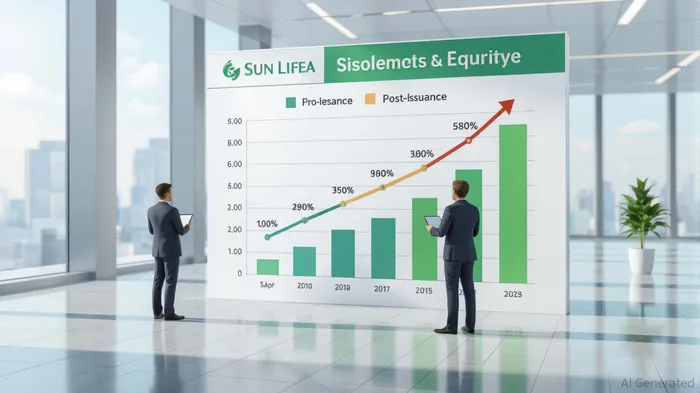
, not just for its size but for its alignment with the company's sustainability goals and capital structure optimization strategy. As the Canadian insurer navigates a high-yield debt market, this move reflects a calculated effort to balance cost efficiency, creditworthiness, and long-term value creation. Let's break down the numbers and implications.
Capital Structure Optimization: A Cost-Benefit Analysis
, 2024[2], indicating a relatively conservative debt-to-equity profile. The $750 million debentures, , are subordinated unsecured debt classified as Tier 2 capital. This structure allows SunSLF-- Life to bolster its capital reserves while accessing funds at a competitive rate.
The cost of debt for these debentures, , . This is marginally higher than the company's current cost of equity, , . However, the true test lies in the (WACC), . By issuing lower-cost debt, the company can reduce its overall WACC, assuming the proceeds are deployed in projects with returns exceeding this threshold.
Sustainability as a Strategic Lever
The debentures' proceeds are earmarked for green and social initiatives, . These projects are externally verified under Sun Life's 2024 Sustainability Bond Framework, ensuring alignment with ESG criteria. , the long-term potential of sustainability-linked assets—such as solar farms or energy-efficient infrastructure—could bridge this gapGAP--. Investors must weigh the short-term drag on ROIC against the long-term value of decarbonization and regulatory tailwinds.
Credit Rating and Investor Confidence
Sun Life's A+ credit rating from S&P[3] underscores its financial stability, enabling it to secure favorable terms in a tightening debt market. . For shareholders, this means reduced refinancing risks and a buffer against interest rate volatility.
Risks and Watchpoints
While the debentures offer strategic benefits, investors should monitor two key risks:
1. ROIC-WACC Gap, signaling potential value erosion. The success of the sustainability projects will be critical to closing this gap.
2. Debt Servicing: With interest rates locked in at 5.12%, Sun Life must ensure that its sustainability assets generate cash flows sufficient to cover coupon payments, .
Conclusion: A Calculated Bet on the Future
Sun Life's debentures offering is a masterclass in capital structure optimization, blending low-cost debt with ESG-driven growth. While the current ROIC-WACC mismatch raises eyebrows, the company's strong credit profile and strategic allocation of proceeds position it to weather macroeconomic headwinds. For investors, the key takeaway is clear: this move is less about immediate returns and more about laying the groundwork for a sustainable, capital-efficient future.





Comentarios
Aún no hay comentarios