
Sudan's Rising Skies: How the RSF's Port Sudan Strike Impacts Investment Horizons
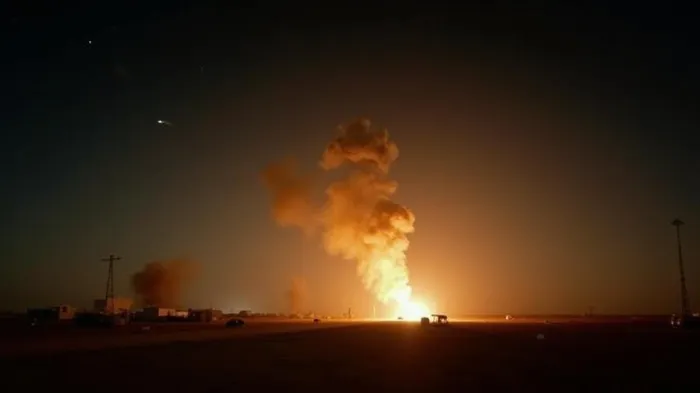
The Sudanese Rapid Support Forces (RSF) marked a critical escalation in their two-year conflict with the Sudanese army on May 1, 2025, by launching their first drone attack on Port Sudan, a strategic port city that had previously been a relative safe haven. According to army spokesperson Nabil Abdullah, the RSF deployed “suicide drones” targeting the Osman Digna Military Airbase, a goods warehouse, and nearby civilian facilities. While damage was limited and no casualties were reported, the strike underscores a dangerous new phase in a war that has already displaced 13 million people and killed an estimated 61,000 in Khartoum state alone.
The Strategic Shift
The RSF’s attack on Port Sudan breaks a critical barrier in the conflict. Previously, the port city—a hub for Sudan’s primary seaportSEG--, military command centers, and a refuge for displaced civilians—had remained largely untouched. The RSF, led by Mohamed Hamdan Daglo (Hemedti), has increasingly turned to asymmetric warfare, including drone strikes, to counter the army’s territorial gains. Since being ousted from Khartoum in March 2025, the RSF has expanded its operations into regions like Darfur and southern Sudan while targeting military infrastructure in areas like Kassala and now Port Sudan.
This shift poses immediate risks to regional stability and infrastructure. Port Sudan’s port is vital for Sudan’s economy, handling over 80% of the country’s trade and serving as a lifeline for humanitarian aid. A sustained assault on such infrastructure could disrupt supply chains and amplify the humanitarian crisis.
Investment Implications
1. Defense and Security Sectors:
The RSF’s use of drones signals a growing reliance on modern warfare tactics. Defense contractors specializing in counter-drone systems or surveillance technology could see demand rise in the region. Meanwhile, regional militaries may increase spending to counter such threats.
Logistics and Shipping:
Port Sudan’s role as a trade gateway means disruptions could ripple across East Africa. Companies involved in port operations or regional shipping—such as DP World or Maersk—may face volatility. Investors should monitor .Humanitarian Aid and NGOs:
With over half of Sudan’s population facing acute hunger, organizations like the UN World Food Programme (WFP) are critical to stability. Donors may need to reallocate funds to offset further disruptions.Geopolitical Risks:
The attack risks drawing neighboring states into the conflict. Eritrea, which borders Kassala, has already been drawn into the fray. Investors in African equities should track , as instability could impact mining or oil operations in Sudan and beyond.
The Human Cost and Economic Fallout
The conflict has already decimated Sudan’s economy. GDP contracted by 14% in 2023, and inflation exceeded 300%. While the RSF’s drone strikes have so far caused limited physical damage, the psychological toll and erosion of Port Sudan’s status as a safe zone could deter foreign investment. The World Bank estimates that Sudan’s humanitarian needs alone require $2.4 billion annually—a burden that strains both domestic and international coffers.
Conclusion: A Fragile Outlook
The RSF’s first drone strike on Port Sudan is more than a tactical move—it’s a sign of escalating desperation as the conflict enters its third year. With both sides consolidating control over divided regions (RSF in the west, the army in the east and north), the war is deepening Sudan’s fragmentation. Investors must brace for prolonged instability:
- Key Data Points:
- 13 million displaced, 61,000 deaths in Khartoum alone (UN, 2025).
- 50% of Sudan’s population faces acute hunger (WFP, 啐. 2025).
Port Sudan handles 80% of Sudan’s trade, with 1 million tons processed monthly pre-war.
Risks to Monitor:
- Further attacks on Port Sudan’s infrastructure, threatening global supply chains.
Escalation into a regional conflict, impacting mining-heavy economies like Ethiopia or South Sudan.
Investment Takeaway:
While opportunities in Sudan itself are scarce, investors should focus on defensive sectors like security tech and logistics resilience. Meanwhile, the humanitarian crisis underscores the need for long-term capital to rebuild post-conflict—a potential opportunity for investors in reconstruction funds or regional infrastructure projects, but only once stability is restored.
As Sudan’s skies grow darker, the path to investment clarity remains clouded by violence. For now, caution—and a watchful eye on regional security trends—remains the watchword.







Comentarios
Aún no hay comentarios