
Subsidy Showdown: How the Musk-Trump Clash Could Reshape Energy and Space Markets
The feud between Elon Musk and President Trump over federal subsidies has escalated into a high-stakes battle with ripple effects across the EV and space industries. As the Department of Government Efficiency (DOGE) audits Musk's companies—Tesla and SpaceX—the fallout could accelerate sector consolidation, punish subsidy-dependent firms, and create opportunities for investors in subsidy-independent alternatives. Here's how to navigate the chaos.
EV Sector: Tesla's Vulnerability Creates Room for Competitors
Tesla's stock has already tumbled 14% this year amid threats to slash its $7,500 federal EV tax credit and $2.8 billion in annual regulatory credits. While Musk claims TeslaTSLA-- can thrive without subsidies, the reality is murkier. reveal sharp declines coinciding with subsidy debates, suggesting market sensitivity to policy shifts.
Losers: Tesla (TSLA) and other EV startups like RivianRIVN-- (RIVN) and LucidLCID-- (LCID), which rely heavily on federal incentives, face near-term headwinds. A subsidy cut could force Tesla to lower prices or trim margins, squeezing smaller competitors further.
Winners: Established automakers with diversified revenue streams—such as Ford (F) or General MotorsGM-- (GM)—may outlast the volatility. Their scale and non-EV earnings cushion against subsidy cuts. Additionally, Chinese EV giants like BYD and NIONIO--, less exposed to U.S. policy, could gain global share.
Space Tech: SpaceX's Dominance Faces Pressure, But Alternatives Lag
SpaceX's $15.5 billion in 2025 revenue, including $1.1 billion from NASA contracts, makes it a prime target for DOGE's audits. However, its near-monopoly on crewed spaceflight and Pentagon launches creates a dilemma: cutting subsidies risks stranding astronauts or jeopardizing national security.
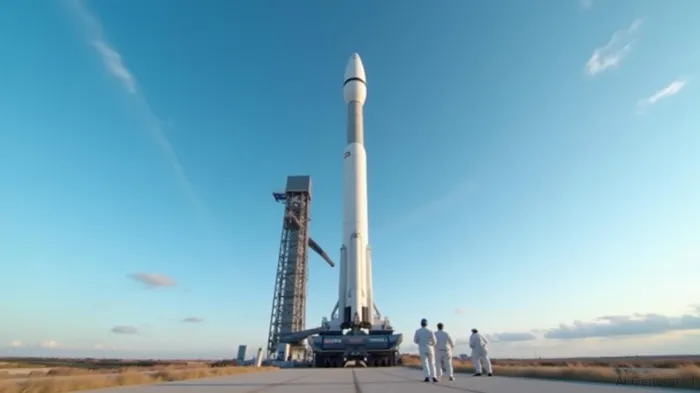
While BoeingBA-- (BA) and Blue Origin (subsidiary of AMZN) may benefit from redirected contracts, both lack SpaceX's launch cadence and cost efficiency. Investors should treat space stocks with caution; near-term volatility is likely, but long-term bets on SpaceX's competitors remain risky until they prove scalability.
Energy Crosscurrents: Renewables Stall, Fossil Fuels Rebound—Temporarily
The subsidy showdown could create a brief tailwind for fossil fuels as EV adoption slows. A drop in EV sales would reduce demand for lithium and cobalt, pressuring battery stocks likeioneer (LNMR) and AlbemarleALB-- (ALB). Meanwhile, oil majors (XLE ETF) and gas producers (XOP ETF) could see a respite in their decade-long decline.
However, long-term trends remain intact: renewables will dominate as battery costs fall and climate policies endure. Investors should hedge with fossil fuels for near-term gains but focus on subsidy-independent renewables like solar (FSLR) or geothermal (GEO).
Strategic Plays for Investors
1. Hedge with Fossil Fuels: Use ETFs like the Energy Select Sector Fund (XLE) to capitalize on a temporary rebound in oil/gas demand.
2. Bet on EV Survivors: Prioritize automakers with non-EV revenue (GM, F) or global scale (BYDDF).
3. Avoid Subsidy Reliance: Target companies with self-funding business models, such as Tesla's energy division (TSLA) or Vestas Wind (VWDRF).
4. Space Tech Caution: Avoid direct bets on SpaceX competitors until they demonstrate execution.
The Musk-Trump clash is more than a personal feud—it's a catalyst for sector-wide reckoning. Investors who focus on resilience, diversification, and subsidy independence will weather the storm and profit from the consolidation to come.
Word count: 98





Comentarios
Aún no hay comentarios