
The Student Debt Tsunami: How Default Risks Are Reshaping Markets and Creating Contrarian Opportunities
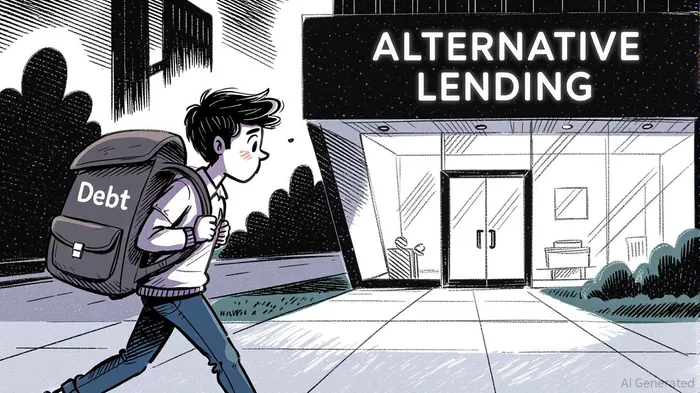
The U.S. student debt crisis has reached a boiling point. As of Q2 2025, , and , with delinquency reporting resuming after pandemic-era pauses. This surge in defaults is not just a personal finance issue—it's a macroeconomic time bomb. With , the ripple effects are already distorting consumer spending, credit markets, and housing affordability. For investors, this crisis presents a paradox: a looming storm in traditional sectors and a goldmine of contrarian opportunities in alternative lending and financial services.
The Macroeconomic Fallout: Defaults as a Systemic Risk
Student loan defaults are no longer isolated events. They are a catalyst for broader economic instability. The warns that 40% of borrowers who defaulted on student loans during the pandemic also defaulted on other debts, including credit cards and auto loans. As of Q2 2025, , a 10x jump from pre-2025 levels. This delinquency surge is eroding credit scores: subprime borrowers have seen average drops of , while even high-credit borrowers face declines of .
The housing market is already feeling the strain. Mortgage delinquency rates have risen from , with HELOC delinquencies climbing to . JPMorganJPM-- estimates that monthly collections from defaulted student loans could reduce disposable income by , directly constraining homebuying power. As wages are garnished and tax refunds withheld, the dream of homeownership is slipping further out of reach for millions.
The OBBBA Factor: A New Era of Repayment
The (OBBBA), enacted in 2025, has intensified financial pressure. By replacing income-based repayment plans with the (RAP), which mandates higher monthly payments and shorter amortization periods, borrowers are facing a 45% increase in required payments. For example, a $60,000 earner now pays , up from . These changes are projected to save the government , but they've created a vacuum in the student loan market—private lenders are stepping in.
Contrarian Opportunities: The Rise of Alternative Lending
As federal programs shrink, private lenders and fintech innovators are capitalizing on the void. Here are three key areas of opportunity:
Income-Share Agreements (ISAs)
Platforms like and are redefining repayment by tying payments to future income. Stride's ISAs, for instance, require students to pay a percentage of their income for a set period post-graduation, aligning lender and borrower incentives. With 14.7% of for-profit college borrowers defaulting within three years, ISAs offer a risk-mitigated alternative.Debt Consolidation and Refinancing
Companies like and are expanding their refinancing options. SoFi's 0% fee model and flexible terms (5–20 years) attract borrowers seeking to lower interest rates. College Ave's 100% coverage of school-certified costs is particularly appealing to students with high tuition burdens.Alternative Credit Scoring
Firms like and are leveraging non-traditional data (e.g., rental payments, utility history) to assess creditworthiness. This is critical as 51% of subprime borrowers with student debt are now 90+ days delinquent. By broadening access, these platforms are building a $10+ billion market in alternative credit solutions.
Investment Thesis: Positioning for the New Normal
For long-term investors, the key is to shorten the duration of exposure to traditional lenders while lengthening it in alternative platforms. Here's how:
- Short Traditional Banks: Institutions like and face declining market share as federal guarantees shrink. Their reliance on riskier borrowers (e.g., for-profit college attendees) makes them vulnerable to further defaults.
- Long Fintech Innovators: (SOFI) and (CAVE) are well-positioned to capture the $150+ billion in private student loan demand. Their digital-first models and flexible repayment terms align with borrower needs.
- Bet on Credit Tech: and are building moats in alternative credit scoring. As FICO scores decline, their data-driven models will become indispensable for lenders.
The Bottom Line: A Crisis and a Catalyst
The student debt default crisis is a macroeconomic wildcard, but it's also a catalyst for innovation. While traditional sectors face headwinds, alternative lenders are rewriting the rules of credit and repayment. For investors with a contrarian mindset, this is a rare opportunity to capitalize on systemic instability while supporting a more inclusive financial ecosystem. The question isn't whether the student debt tsunami will hit—it's who will ride the wave.





Comentarios
Aún no hay comentarios