
Stubbs: India's seat in the UNSC is of 'utmost importance'
Stubbs: India's seat in the UNSC is of 'utmost importance'
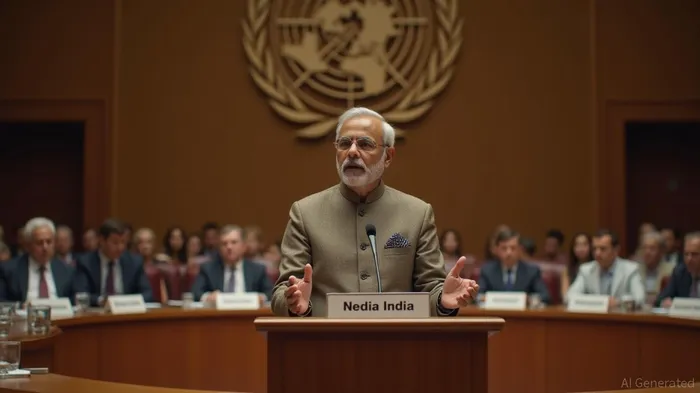
Finland’s President Alexander Stubb emphasized the importance of India’s potential permanent seat on the UN Security Council (UNSC), framing it as a critical component of reforming a global order that reflects contemporary geopolitical realities. Stubb’s remarks align with broader calls for UNSC expansion and restructuring to better represent the Global South and developing economies. The United States, among others, has long advocated for India, Japan, and Germany to secure permanent seats, citing their economic and geopolitical influence. India’s bid, however, remains contingent on addressing persistent concerns about its human rights record and engagement with UN mechanisms.
Amnesty International has highlighted India’s shortcomings in upholding international human rights obligations, including limited cooperation with UN treaty bodies, delayed periodic reviews, and resistance to critical reports on issues like Kashmir. According to Amnesty International, the country has also faced scrutiny for failing to implement recommendations from the Universal Periodic Review and for reprisals against civil society actors collaborating with UN entities. These challenges raise questions about India’s readiness to assume a leadership role in an institution tasked with maintaining global peace and security.
While India’s UNSC bid is framed as a step toward a more equitable multilateral system, its success will depend on demonstrating credible engagement with human rights frameworks and addressing domestic governance gaps. As Stubb and others argue, reforming the UNSC must not occur in isolation from a candidate’s adherence to international norms. For India, balancing geopolitical aspirations with accountability will be pivotal in shaping its role in the evolving global order.






Comentarios
Aún no hay comentarios