
Stubborn Core Inflation Hinges Fed's Larger Cut Next Week, and Adds Uncertainty on Soft-Landing
The August CPI has added a layer of complexity to Fed's upcoming decision on rates. While the headline CPI rose 2.5% year-over-year (y/y), just below the expected 2.6%, and increased by 0.2% month-over-month (m/m) as anticipated, the core CPI, which excludes volatile food and energy prices, remains troubling. Core inflation climbed 3.2% y/y, aligning with forecasts, but the m/m increase of 0.3% exceeded the expected 0.2%, signaling persistent inflationary pressures.
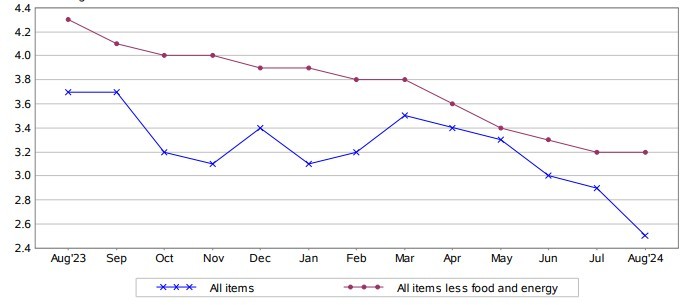
The rise in core inflation was largely driven by increases in shelter, airline fares, motor vehicle insurance, education, and apparel. The shelter index, which weighs more than one-third in CPI, rose by 0.5% in August, faster than the 0.4% increase in July, highlighting strong demand in the housing market. This sustained upward pressure on shelter costs has kept core inflation elevated, complicating the Fed's efforts to bring inflation down to its 2% target.
Hotter-than-expected core CPI makes it difficult for the Fed to freely loosen monetary policy, even as the job market cools at a faster pace. The market also did not welcome the figures, with S&P 500 futures down 0.3% and tech-weighted Nasdaq 100 futures down 0.2%.
The CPI data is the latest in a series of economic indicators that will shape the Fed's decision at its upcoming September meeting. Despite the recent slowdown in job growth revealed last Friday — with August's nonfarm payrolls expanding by only 142,000, below the 161,000 consensus, and the unemployment rate ticking down to 4.2% — inflation remains a primary concern. The weaker labor market data initially fueled speculation that the Fed might opt for a more aggressive rate cut to support economic growth. However, the hotter-than-expected core inflation has tempered these expectations.
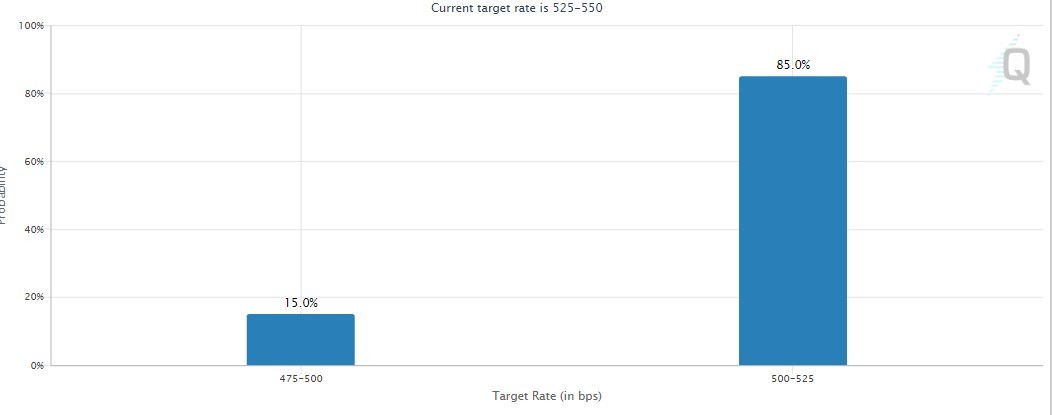
Market sentiment now largely anticipates a modest 25 basis point (bps) rate cut, with an 85% probability. This cautious approach reflects the Fed's dilemma: while there are signs of an economic slowdown, particularly in manufacturing and the labor market, inflationary pressures remain too high to warrant a more substantial rate cut. But if they act too late, the economy might cool down faster as the job market tumbles.







Comentarios
Aún no hay comentarios