
Structural Shift in Global Soy Trade: Why Brazil's Dominance in China Signals Long-Term Opportunity in Latin American Agribusiness
The global soy trade is undergoing a seismic shift, driven by geopolitical trade dynamics that are reshaping agricultural supply chains for decades to come. China’s strategic pivot toward Brazilian soybeans—amid escalating U.S. trade tariffs and regulatory hurdles—has created a structural realignment that offers compelling investment opportunities in Latin American agribusiness while posing long-term risks to U.S. agricultural equities. This is not a cyclical blip but a tectonicTECX-- shift in global trade patterns, driven by policy choices, price competitiveness, and supply diversification.
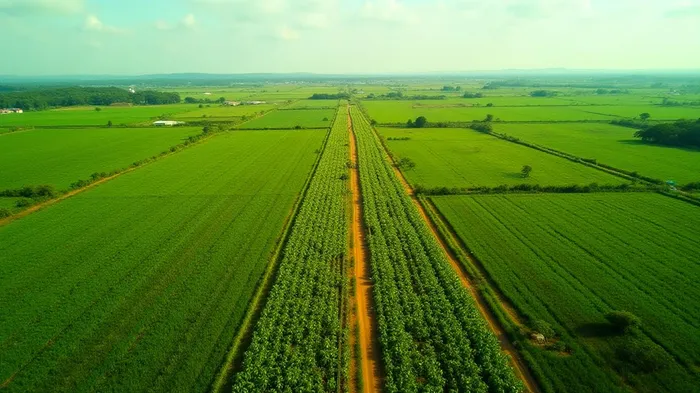
The Structural Shift: Brazil’s Ascendancy and the U.S. Retreat
The data is unequivocal: Brazil has solidified its position as China’s top soy supplier, capturing 70–75% of China’s soy imports in 2023–2025, while U.S. market share has dwindled to 20–25% (see ). This is not merely a temporary response to trade tensions but a reconfiguration rooted in geopolitical strategy, tariff disadvantages for U.S. farmers, and Brazil’s logistical and pricing advantages.
Key Drivers of the Shift:
Tariff Warfare:
U.S. soybeans now face an effective tariff of 115% in China, combining pre-existing duties and retaliatory measures. Brazil, in contrast, benefits from tariff-free access, making its soybeans $30–$40 cheaper per ton than U.S. equivalents. These barriers are unlikely to reverse anytime soon, given U.S.-China trade tensions and Brazil’s alignment with China’s Belt and Road Initiative (BRI) infrastructure projects.Price and Logistics Dominance:
Brazil’s record harvests (169.6 million tons in 2024/25) and a weaker real have kept production costs low. Meanwhile, its logistical infrastructure—such as the Paraguay-Paraná River waterway and expanding port capacity—enables faster, cheaper shipments to China. U.S. farmers, hamstrung by aging infrastructure and rising transport costs, cannot compete.China’s Supply Diversification:
Beijing’s Five-Year Agricultural Plan aims to reduce reliance on U.S. agribusiness, prioritizing South American suppliers. This strategy is underpinned by long-term contracts, expedited customs clearance, and investment in Brazilian logistics.
Investment Implications: Capitalize on Brazil, Avoid U.S. Exposure
The structural nature of this shift presents two clear investment pathways:
Opportunity: Brazilian Agribusiness and Logistics
- Soy Producers:
Companies like Amaggi (privately held but influential in logistics) and Cargill Brazil benefit from China’s insatiable demand. Look for firms with vertical integration (planting to port logistics) and exposure to China’s BRI projects. - Logistics Infrastructure:
Firms like Log-In (LOGM3 on B3) and Vale Logística dominate river and rail transport, critical for moving soy from Brazil’s interior to export hubs. Their earnings are directly tied to China’s import volumes.
Risk: U.S. Agricultural Equities
- U.S. Soy Farmers:
The American Soybean Association (ASA) warns of a permanent loss of market share, with 2025 exports to China projected at $12.8 billion, down from $34.4 billion in 2022. - Agricultural ETFs:
The iShares U.S. Agriculture ETF (COW) has underperformed global equities, reflecting the sector’s vulnerability to trade wars.
Risks and Considerations
While Brazil’s position is robust, investors must monitor two critical risks:
1. China’s Self-Sufficiency Push:
Beijing aims to boost domestic soy production by 75% by 2033, which could eventually curb import growth. However, this goal is decades away and unlikely to dent Brazil’s dominance in the near term.
2. Latin American Policy Uncertainty:
Brazil’s political stability and regulatory environment (e.g., land-use policies) could disrupt supply chains. Diversify holdings across multiple South American producers.
Conclusion: Act Now—This Shift is Here to Stay
The structural realignment of the global soy trade is irreversible. Brazil’s dominance is cemented by tariffs, pricing, logistics, and China’s strategic priorities. Investors who ignore this shift risk missing out on a multi-decade opportunity in Latin American agribusiness. Conversely, exposure to U.S. agricultural equities reliant on China is a high-risk bet.
Action Steps:
- Allocate to Brazilian soy logistics firms (e.g., LOGM3) and agribusiness ETFs tracking Latin American equities.
- Avoid U.S. agricultural stocks like Archer-Daniels-Midland (ADM) and ag-focused ETFs (COW).
The soy trade war has a clear winner—and it’s not the U.S. The time to act is now.







Comentarios
Aún no hay comentarios