
Structural Resilience and Deflationary Mechanics: A Framework for Identifying High-Potential Meme Coins in Presale Stages
The Deflationary Presale Model: A New Paradigm
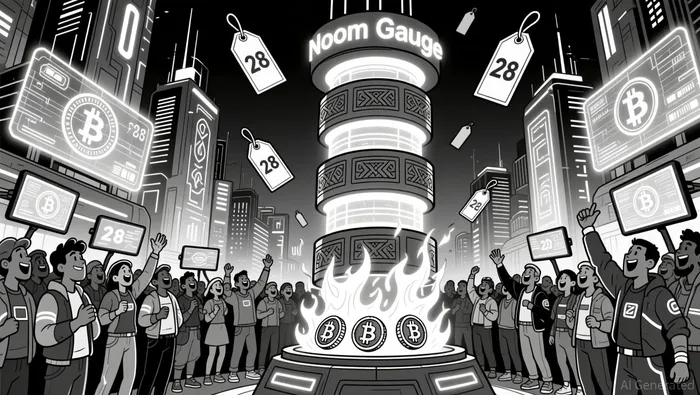
Traditional meme coins often rely on post-launch burns or liquidity locks to create scarcity. However, projects like Noomez are redefining the model by embedding deflation directly into the presale process. According to a report by Cryptoninjas, Noomez's 28-stage presale features a burn-first mechanism: unsold tokens in each stage are permanently burned, reducing total supply in real time. This creates a self-reinforcing scarcity curve, as later stages see tighter allocations (e.g., 300 million tokens per stage in Stages 22–28 versus 12.7 billion in Stage 1) and higher token prices ($0.00001 to $0.0028).
This approach contrasts sharply with conventional presales, where tokens are often reserved for post-launch distribution or liquidity pools. By burning unsold tokens upfront, Noomez ensures that supply reduction begins before the project's mainnet launch, aligning early participants with long-term value retention.
Gamification and Narrative-Driven Engagement
Structural resilience isn't just about tokenomics-it's also about community stickiness. Noomez's presale integrates gamification through a narrative-driven "Noom Map", where each stage unlocks airdrops, vault events, and lore-based milestones. This transforms the presale into an interactive experience, incentivizing early participation and reducing the risk of post-launch dumping.
For example, early-stage participants receive a 2x staking multiplier post-launch, while later stages introduce randomized airdrops and NFT-based rewards. These mechanics create a flywheel effect: engagement during the presale translates into sustained utility and loyalty after launch.
Tokenomics as a Defense Against Volatility
A project's tokenomics must balance scarcity with utility. Noomez's allocation model-50% to presale, 15% to locked liquidity, and 10% to marketing-prioritizes fair distribution while minimizing sell pressure. Post-presale, the project plans to activate an "Access Engine," allowing external token airdrops to $NNZ holders, further enhancing utility. Additionally, staking rewards of up to 66% APY (with multipliers for early participants) create a strong incentive for holders to retain tokens.
Key Takeaways for Investors
- Look for embedded deflation: Projects that reduce supply during presale (not just post-launch) demonstrate structural foresight.
- Assess engagement mechanics: Gamification and narrative-driven milestones increase community retention.
- Evaluate tokenomics transparency: Fair allocation and locked liquidity are critical for long-term resilience.
While Noomez is a standout example, investors should remain cautious. Deflationary mechanics alone cannot guarantee success-utility, team credibility, and market timing also matter. However, in a space where hype often outpaces substance, projects that engineer resilience from day one are more likely to withstand the inevitable volatility.







Comentarios
Aún no hay comentarios