
Strikes at the Gates: Can Stadium Labor Disruptions Spark a Contractual Revolution?
The recent labor strikes at Philadelphia's iconic stadiums—Wells Fargo Center, Citizens Bank Park, and Lincoln Financial Field—have thrown a spotlight on a simmering crisis in the sports and concessions industry. Over 1,000 Aramark workers, represented by Unite Here Local 274, are demanding fair wages, standardized benefits, and an end to exploitative part-time classifications despite logging full-time hours. This isn't just a local dispute; it's a catalyst for sector-wide reforms that could reshape how companies manage labor risks—and how investors should position themselves.
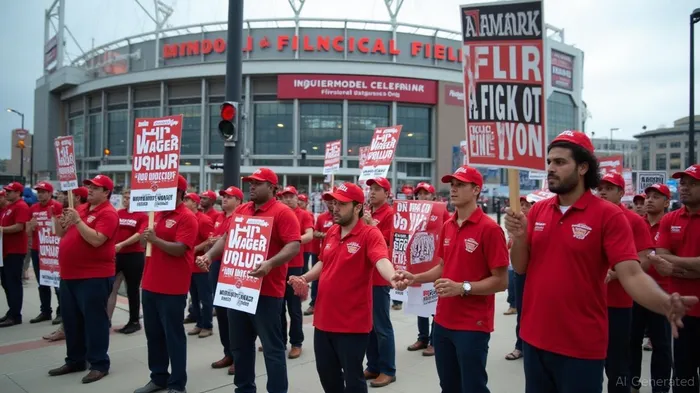
The Financial and Reputational Toll of Labor Strikes
The stakes are high for Aramark, a $19 billion services giant whose contracts at these venues are all set to expire. The strike has already disrupted high-profile events like Phillies games and Eagles home games, risking millions in lost concession revenue—think $18 beers, $20 burgers, and premium merchandise. Aramark's contingency plans may mitigate immediate chaos, but prolonged strikes could erode fan loyalty and damage brand reputation.
The union's boycott campaign—urging fans to tailgate instead of buying overpriced concessions—is a masterstroke. If sustained, it could permanently shift consumer behavior, slashing Aramark's profit margins. Meanwhile, public sympathy for workers has drawn solidarity from the MLB Players Association and local community groups, amplifying reputational risks for Aramark and the teams reliant on its services.
Lessons from History: How Past Strikes Changed the Game
The current standoff echoes two seismic labor disputes in sports history: the 1994-95 MLB strike and the 2011 NFL lockout. Both offer critical insights into how operational disruptions impact long-term valuations—and how proactive reforms can turn the tide.
The MLB Strike: A Near-Death Experience
The 1994 strike, which canceled the World Series and cost owners an estimated $580 million, nearly destroyed fan trust. While the immediate financial hit was severe, the league recovered by restructuring revenue-sharing agreements and adopting luxury taxes. By the late 1990s, attendance and revenue rebounded, fueled by a steroid-fueled offensive boom and a new generation of fans.
The NFL Lockout: A Masterclass in Compromise
The 2011 NFL lockout, which cost an estimated $160 million per city, forced owners and players to the negotiating table. The resulting Collective Bargaining Agreement (CBA) slashed player costs to 47-48% of revenues, freeing up cash for teams. By 2012, NFL team valuations had surged, with top franchises like the Cowboys and Patriots gaining billions due to reduced revenue-sharing obligations and exploding TV deals.
Why This Time Could Be Different: The ESG Factor
Today's investors are far more attuned to Environmental, Social, and Governance (ESG) risks. A company's labor practices now directly impact its cost of capital, credit ratings, and investor appeal. Companies that ignore worker demands risk not only strikes but also ESG downgrades, which can drive institutional investors away.
Consider this: The Aramark strike has already drawn comparisons to the “Fight for $15” movement, with workers earning as little as $10/hour despite 40+ weekly hours. If Aramark fails to address these issues, it risks becoming a pariah in an era where ESG-conscious funds wield unprecedented power.
The Investment Thesis: Proactive Companies Win
The key takeaway for investors is clear: companies that preemptively negotiate fair labor terms will outperform peers. Those that adopt standardized wages, aggregated work hours for benefits, and transparent contracts will minimize operational disruptions, preserve reputations, and attract ESG-conscious capital.
Action Alert:
- Buy into sectors with proactive labor policies: Look for concession operators, venue managers, or sports franchises that have already implemented fair labor terms.
- Avoid companies clinging to outdated contracts: Firms like Aramark (if they don't reform) could face sustained pressure from both workers and investors.
- ETF plays: Consider broad-based ETFs like the SPDR S&P 500 ETF (SPY), which includes companies with strong ESG profiles, or sector-specific funds like the Consumer Staples Select Sector SPDR (XLP), which may include concession operators with stable labor relations.
Bottom Line
Labor disruptions at iconic venues are a wake-up call for the sports and concessions sector. Companies that treat workers fairly won't just avoid strikes—they'll build stronger brands, attract better capital, and thrive in a post-ESG world. Investors who align with these trends will be positioned to capitalize on the next wave of sector-wide reforms.
Don't let strikes at the gates turn into strikes on your portfolio. Act now!





Comentarios
Aún no hay comentarios