
Strategic Shifts in U.S. Power Generation: Analyzing the Jera Americas, Tenaska, and Tyr Share Transfer
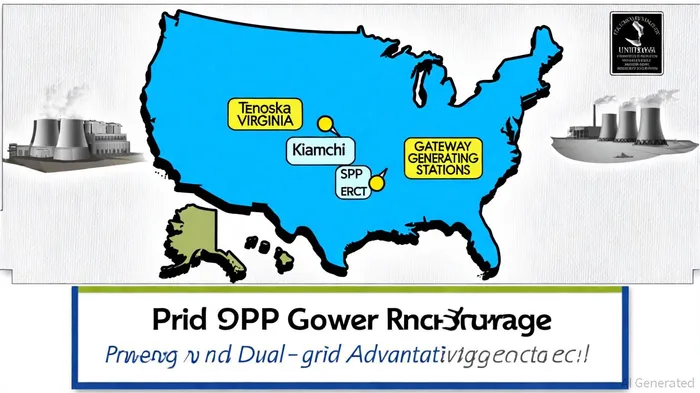
The recent share transfer of Jera Americas' equity interests in three gas-fueled power plants to Tenaska and Tyr Energy marks a pivotal moment in the evolving U.S. power generation landscape. This transaction, finalized on September 15, 2025, involves the Tenaska Virginia Generating Station (940 MW), Tenaska Kiamichi Generating Station (1,220 MW), and Tenaska Gateway Generating Station (845 MW), collectively adding 3,005 MW of generating capacity to Tenaska and Tyr's portfolios[1]. The move underscores a broader industry trend of portfolio optimization and strategic realignment in response to the energy transition, while also highlighting the enduring value of gas-fired assets in ensuring grid resilience.
Strategic Motivations: Jera's Pivot to Clean Energy
Jera Americas' decision to divest these assets aligns with its long-term strategy to prioritize investments in sustainable and lower-carbon technologies. As stated by the company, the transaction reflects a commitment to “reinvesting in assets aligned with the evolving energy transition,” including opportunities in liquefied natural gas (LNG), hydrogen, and ammonia co-firing[1]. This pivot is further amplified by the Inflation Reduction Act's (IRA) federal incentives, which Jera aims to leverage for future projects in offshore wind and clean hydrogen[1].
For Jera, the exit from these gas-fired plants is not a retreat from fossil fuels but a calculated shift toward higher-growth, decarbonization-aligned opportunities. Analysts note that such strategic divestments allow utilities to streamline operations and redirect capital toward emerging technologies, a trend likely to accelerate as regulatory and market pressures intensify[2].
Investment Implications for Tenaska and Tyr Energy
The acquisition of these plants by Tenaska and Tyr Energy strengthens their operational footprints in key U.S. power markets—PJM, SPP, and ERCOT—regions critical for balancing supply and demand in the grid. According to a report by Business News Today, the dual-grid positioning of some facilities, particularly in SPP and ERCOT, offers “potential revenue stacking and improved dispatch flexibility,” enhancing their competitive edge[1].
Tenaska emphasized that the transaction aligns with its capital deployment strategy, which prioritizes “high-quality, well-positioned generating assets” to ensure reliability in competitive markets[1]. Tyr Energy similarly highlighted the value of these assets in reinforcing its North American generation platform, with a focus on revenue stability and long-term partnerships[2]. For institutional investors, the acquisition signals a preference for mature assets with predictable cash flows, a trend that has gained traction amid rising interest rates and grid resilience concerns[1].
Broader Industry Trends: Gas as a Bridge Resource
The transaction also reflects a broader industry recalibration, where gas-fired plants are increasingly viewed as bridge resources during the energy transition. As noted in a Third News analysis, gas-fired assets provide critical backup capacity for intermittent renewables, ensuring grid stability as the U.S. transitions to a low-carbon future[2]. This strategic relevance is further underscored by growing concerns over energy security, particularly in regions prone to extreme weather events or supply disruptions[1].
Future Outlook and Investor Considerations
For Jera Americas, the next phase involves scaling investments in clean hydrogen and ammonia co-firing, areas where the company has already demonstrated technical expertise. Meanwhile, Tenaska and Tyr Energy are poised to benefit from the operational synergies of these plants, particularly their ability to serve multiple markets and hedge against price volatility.
Investors should monitor how these strategic shifts influence market dynamics in the coming years. The increased focus on gas-fired assets as transitional resources may drive valuation premiums for operators with diversified portfolios, while also creating opportunities for innovation in hybrid systems that integrate renewables with natural gas.
In conclusion, the Jera Americas-Tenaska-Tyr transaction exemplifies the evolving priorities of energy companies navigating the dual imperatives of decarbonization and grid reliability. As the U.S. energy sector continues to transform, such strategic realignments will likely shape investment flows and market structures for years to come.







Comentarios
Aún no hay comentarios