
Strategic Positioning and Market Timing in the Precious Metals Sector: A Macro Perspective on Texas Precious Metals Trust's Public Market Entry
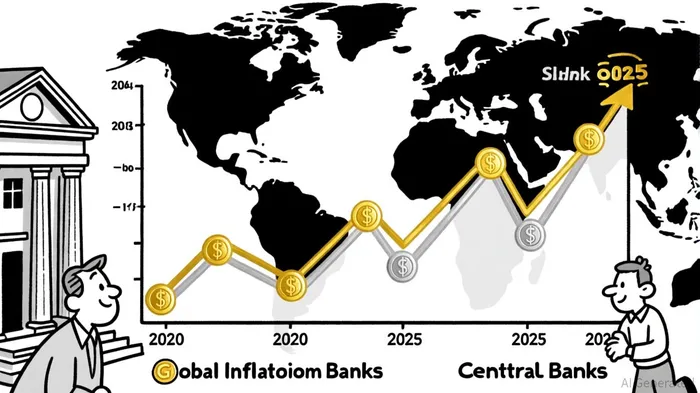
The entry of Texas Precious Metals Trust into the public market represents a pivotal moment for investors seeking exposure to a sector historically insulated from macroeconomic volatility. While specific details on the trust's SEC Form S-1 filing remain elusive, broader macroeconomic trends—particularly inflationary pressures and monetary policy adjustments—provide a compelling framework to assess its strategic positioning.
Macroeconomic Catalysts and Precious Metals Demand
Precious metals have long served as a hedge against inflation and currency devaluation. According to a report by the World Bank, sound macroeconomic policies are critical to fostering stability in volatile environments[1]. For instance, Nigeria's recent removal of gasoline subsidies and market-driven exchange rate reforms have reignited inflationary concerns, pushing investors toward tangible assets like gold and silver[2]. Similarly, Peru's controlled inflation and steady fiscal deficit management have created a balanced environment where precious metals remain a strategic asset class[2]. These regional dynamics underscore a global trend: as central banks grapple with balancing growth and inflation, the demand for inflation-protected assets is likely to persist.
Strategic Timing Amid Policy Uncertainty
The timing of Texas Precious Metals Trust's market entry aligns with a critical juncture in global monetary policy. Central banks, including the U.S. Federal Reserve, have signaled a potential shift from aggressive rate hikes to a more accommodative stance in 2025[2]. This transition often amplifies demand for non-yielding assets like gold, which thrive in low-interest-rate environments. While the trust's specific capital structure and fee model remain undisclosed, its launch coincides with a sector-wide re-rating driven by macroeconomic uncertainty.
Market Positioning and Competitive Dynamics
The precious metals sector is highly competitive, with established players like SPDR Gold Shares (GLD) and iShares Silver Trust (SLV) dominating exchange-traded product (ETP) flows. However, Texas Precious Metals Trust's potential differentiation lies in its alignment with regional macroeconomic narratives. For example, Kenya's push for inclusive growth through productivity-led strategies highlights the need for accessible investment vehicles in emerging markets[2]. If the trust's structure prioritizes liquidity and low barriers to entry, it could capture a niche segment of investors seeking exposure to both global inflationary trends and localized economic reforms.
Conclusion: A Macro-Driven Investment Thesis
While the absence of detailed SEC filings limits granular analysis of Texas Precious Metals Trust's financial structure, the broader macroeconomic landscape provides a robust foundation for its strategic rationale. Inflationary pressures in emerging markets, coupled with central bank policy pivots, create a favorable backdrop for precious metals. Investors should monitor the trust's fee structure, liquidity provisions, and geographic focus as key differentiators. For now, the alignment of its market entry with inflationary and monetary policy trends suggests a well-timed opportunity in a sector poised for renewed demand.





Comentarios
Aún no hay comentarios