
Strategic Positioning for Energy Investors in a Bearish Oil Market
The global oil market is undergoing a seismic shift as bearish sentiment intensifies, driven by a confluence of oversupply risks, geopolitical uncertainties, and evolving demand dynamics. For energy investors, navigating this landscape requires a nuanced understanding of both macroeconomic trends and granular market mechanics. This analysis explores the key factors shaping the bearish outlook and outlines actionable strategies to position portfolios for resilience and growth.
Bearish Catalysts: Oversupply and Demand Uncertainty
The most immediate threat to oil prices stems from OPEC+'s gradual unwinding of production cuts. By mid-2026, the cartel plans to fully phase out the restrictions implemented during the 2022-2023 crisis, a move that could flood the market with an additional 2.5 million barrels per day (bpd) of crude, according to a Citi report. This strategy, while aimed at stabilizing long-term prices, has already triggered a surge in global crude oil in transit-a record high indicator of impending oversupply noted in the report.
Compounding these supply-side pressures is the U.S. tariff regime under President Trump, which has introduced volatility into global economic growth. Tariffs on imports have spurred a 41.3% annual surge in Q1 2025, as consumers rushed to purchase goods before price hikes took effect, according to a Yale analysis. While this temporarily boosted short-term demand, it also distorted consumption patterns and depressed GDP growth. The analysis warns that the full economic drag of these tariffs-projected to reduce real GDP by 0.6% and raise unemployment by 0.6 percentage points by year-end-could further weaken fuel demand.
Meanwhile, China's aggressive stockpiling of crude oil has created a paradoxical market dynamic. Despite a 1.01 million bpd surplus in August 2025, Beijing continues to absorb excess supply through strategic and commercial reserves, according to Daily Oil Futures. However, this strategy may reverse if geopolitical tensions ease or domestic refining activity slows, potentially triggering a price correction.
Investment Strategies: Diversification, Hedging, and Regional Opportunities
In this environment, energy investors must adopt a multi-pronged approach to mitigate downside risks while capitalizing on emerging opportunities.
1. Sector Diversification: Beyond Crude
The bearish outlook for oil does not necessarily spell doom for the broader energy sector. Natural gas, for instance, is gaining traction as a transitional fuel. The U.S. Department of Energy's Speed to Power initiative is accelerating grid infrastructure to meet surging electricity demand from AI data centers, which are projected to consume 6.7–12% of U.S. electricity by 2028, according to a DOE report. Natural gas infrastructure, including master limited partnerships (MLPs), offers a hedge against inflation and steady income streams.
Clean energy, particularly nuclear power, also presents compelling opportunities. Policy tailwinds and AI-driven energy needs are propelling nuclear investments, with the sector outperforming traditional energy stocks in 2025, as noted in industry coverage.
2. Hedging Mechanisms: Locking in Stability
Energy producers are increasingly leveraging financial instruments to manage price volatility. Futures contracts remain a cornerstone strategy, allowing companies to lock in prices and stabilize cash flows, as outlined in an energy hedging guide. For example, U.S. shale drillers have reduced hedge coverage ratios to a five-year low, retaining flexibility to benefit from potential price rebounds while protecting near-term earnings, a trend highlighted by the DOE report.
Options contracts, particularly put options, provide an additional layer of protection. These instruments allow investors to benefit from price increases while capping losses during downturns. Commodity swaps and costless collars further enhance risk management by creating price bands that balance upside potential with downside safeguards.
3. Regional Opportunities: Latin America and the Permian Basin
Geographic diversification is critical. Latin America is emerging as a key growth area, with upstream oil and gas investment projected to reach $738 billion by 2030-surpassing North America for the first time since 2004, according to a Deloitte outlook. Brazil and Guyana's conventional crude expansions are attracting capital, while tier 2 and tier 3 acreage in the U.S. Permian Basin offers untapped productivity gains.
Conclusion: Balancing Caution and Opportunity
The bearish oil market of 2024–2025 demands a strategic, adaptive approach. While oversupply risks and geopolitical uncertainties persist, investors can capitalize on sectoral shifts, hedging tools, and regional growth drivers. By diversifying into natural gas and clean energy, employing robust hedging strategies, and targeting high-potential regions, energy investors can navigate the storm and position themselves for long-term resilience.
As the market evolves, vigilance will be key. OPEC+'s response to overproduction, the trajectory of U.S. tariffs, and China's stockpiling decisions will remain pivotal. For now, the path forward lies in balancing caution with calculated optimism.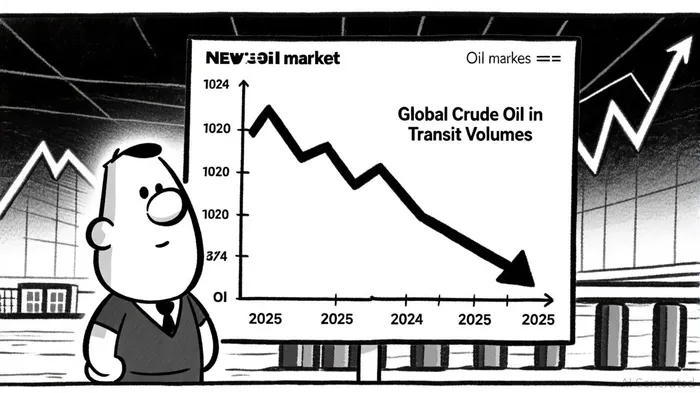







Comentarios
Aún no hay comentarios