
Strategic Positioning and Community-Driven Adoption: Colorado's Renewable Energy Infrastructure Boom
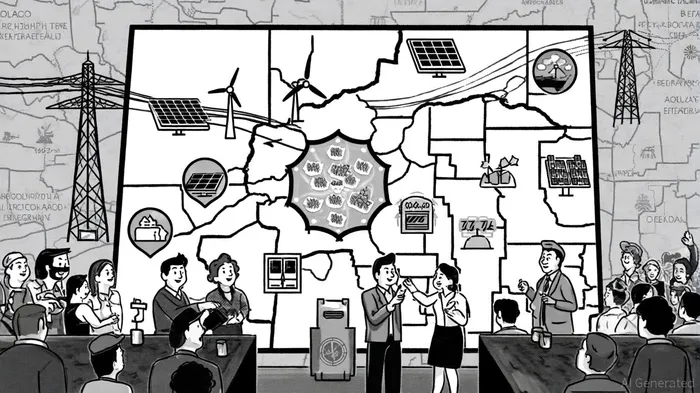
Colorado's renewable energy sector is undergoing a transformative phase, driven by aggressive state policies, federal incentives, and grassroots innovation. As the state aims to source 80% of its electricity from renewables by 2030 and achieve full decarbonization by 2050, strategic investments in infrastructure and community-driven adoption are reshaping its energy landscape. This analysis explores the interplay between policy frameworks, technological advancements, and localized initiatives that position Colorado as a national leader in clean energy.
Strategic Positioning: Policy and Infrastructure Synergy
Colorado's legislative agenda has been pivotal in accelerating renewable energy deployment. Senate Bill 24-212, passed in 2024, mandates streamlined coordination between state and local stakeholders to fast-track project approvals[1]. By creating a repository of model codes and assessing permitting practices, the bill addresses bureaucratic bottlenecks that have historically hindered development. This aligns with broader goals to replace aging coal plants and meet surging demand from sectors like AI data centers and electric vehicle adoption[2].
Infrastructure investments are equally critical. Xcel Energy's grid expansion, approved by the Colorado Public Utilities Commission, will add 6,000 megawatts of new generation capacity[3]. However, transmission constraints in regions like the San Luis Valley highlight the need for complementary upgrades to avoid curtailment of solar and wind output[2]. Meanwhile, federal incentives from the Inflation Reduction Act are fueling private-sector projects, such as VSK Energy's 4-gigawatt photovoltaic panel factory in Brighton and Amprius Technologies' lithium-ion battery plant[2]. These projects not only bolster domestic manufacturing but also reduce reliance on imported materials—a strategic advantage amid global supply chain volatility.
Community-Driven Adoption: Equity and Innovation
Community solar programs exemplify Colorado's commitment to inclusive energy transitions. Grand Valley Electric Power, a rural co-op, pioneered on-bill financing to overcome participation barriers in its 17 kW solar project[1]. By allowing members to pay $15 monthly instead of an upfront $800 fee, subscriptions doubled, demonstrating the power of accessible payment models. This approach was later expanded with a 24 kW project targeting low-income households, funded by state grants and volunteer labor[1]. Such initiatives align with Senate Bill 24-207, which reserves 51% of community solar capacity for income-qualified subscribers and mandates bill savings of 25–55%[2].
The 2026 inclusive community solar program, administered by the Colorado PUC, further institutionalizes equity. With 50 MW allocated for Xcel EnergyXEL-- and 3.5 MW for Black HillsBKH-- Energy, the program prioritizes rooftop and brownfield sites while prohibiting utility ownership of projects[2]. These measures ensure that benefits are distributed broadly, particularly in underserved communities. Additionally, eliminating subscription fees and expiration dates for bill credits enhances long-term participation[2].
Challenges and Risks
Despite progress, challenges persist. Transmission infrastructure gaps and a shortage of skilled workers could delay project timelines[2]. Moreover, federal political developments, such as Senate Republicans' proposed tax on solar and wind projects using foreign materials, introduce uncertainty[4]. While Colorado's domestic manufacturing base (e.g., VSK Energy) mitigates some risks, reliance on global supply chains for components like lithium remains a vulnerability[2].
Investment Outlook
Colorado's renewable energy ecosystem offers compelling opportunities for investors. The state's policy alignment with federal incentives, coupled with community-driven innovation, creates a resilient framework for growth. Key sectors to watch include:
- Transmission and Grid Modernization: Projects addressing bottlenecks in the San Luis Valley and other high-potential regions.
- Community Solar Developers: Firms leveraging SB 24-207 to scale low-income and on-bill financing models.
- Domestic Manufacturing: Companies like VSK Energy and Amprius TechnologiesAMPX--, which benefit from both state and federal support.
Conclusion
Colorado's renewable energy transition is a masterclass in strategic policy design and community engagement. By harmonizing state legislation with grassroots initiatives, the state is not only advancing its climate goals but also creating a replicable model for equitable clean energy adoption. For investors, the combination of regulatory tailwinds, technological innovation, and social impact presents a unique opportunity to capitalize on a sector poised for sustained growth.





Comentarios
Aún no hay comentarios