
Strategic Partnerships in India's Steel Expansion: The JSW-POSCO JV as a Catalyst for Long-Term Gains
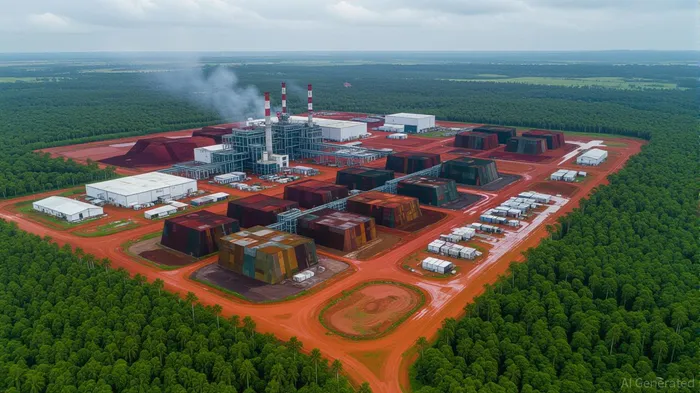
India's steel industry is on a meteoric rise, driven by a government mandate to triple domestic production to 300 million tonnes per annum (MTPA) by 2030. At the heart of this transformation lies the JSW-POSCO joint venture (JV), a 50:50 partnership between India's largest steelmaker, JSW Steel, and South Korea's technological powerhouse, POSCOPKX--. This collaboration is not just a strategic alliance—it's a blueprint for how cross-border partnerships can unlock value in a high-growth market. For investors, the JSW-POSCO JV represents a rare confluence of policy tailwinds, resource advantages, and operational innovation. Let's dissect why this venture is a compelling long-term play.
Strategic Alignment with India's 2030 Steel Ambition
India's steel demand is projected to grow at a compound annual growth rate (CAGR) of 9.18% from 2025 to 2030, fueled by infrastructure development, urbanization, and manufacturing expansion under the Atmanirbhar Bharat (Self-Reliant India) initiative. The JSW-POSCO JV is directly aligned with this vision. By establishing a 6 MTPA integrated steel plant in Odisha—a state rich in coal and iron ore—the venture taps into India's natural resource base while reducing reliance on Chinese imports. The Indian government's Production Linked Incentive (PLI) scheme and import tariffs further insulate domestic producers, creating a favorable environment for the JV to thrive.
Cost Advantages Through Technology Transfer and Captive Resources
The JV's financial and operational edge stems from two pillars: technology transfer and captive resource utilization. POSCO's advanced steelmaking technologies, including energy-efficient blast furnaces and eco-friendly production methods, are expected to reduce energy consumption by 15-20% and lower emissions by 30% compared to conventional plants. These efficiencies translate directly into cost savings, with estimates suggesting a 10-15% reduction in production costs per ton of steel.
Equally critical is the JV's access to Odisha's captive coal and iron ore deposits. By minimizing transportation costs and logistics bottlenecks, the plant is projected to cut input expenses by ₹900–1,000 per ton of iron ore—a significant margin booster. JSW's existing infrastructure, including a slurry pipeline network, further amplifies these savings. The integration of renewable energy (solar and wind) into the plant's energy mix adds another layer of cost stability, reducing exposure to volatile fossil fuel prices.
Operational Synergies and Risk Mitigation
The JSW-POSCO JV is structured to mitigate risks through a phased approach. The initial feasibility study, nearing completion, will finalize site selection in Keonjhar, Odisha, and secure regulatory approvals. This cautious strategy ensures that capital is deployed only after validating resource availability and environmental compliance. The phased rollout—from 6 MTPA to a potential 18 MTPA—also allows the JV to scale in line with demand, avoiding overleveraging.
From an environmental perspective, the JV's commitment to decarbonization aligns with global ESG trends. India's steel sector accounts for 12% of the country's greenhouse gas emissions, but the JV's clean energy integration and POSCO's low-carbon technologies position it to meet the government's 500 GW clean energy target by 2030. This not only reduces regulatory risks but also opens doors to green financing and ESG-focused investors.
Investment Implications: A High-Conviction Play
For investors, the JSW-POSCO JV offers a unique entry point into India's industrialization-driven growth. The venture's alignment with India's 2030 steel targets, combined with its cost-competitive model and geopolitical significance, creates a durable moat. Key catalysts to watch include:
1. Feasibility Study Completion: Finalizing the site and securing approvals by late 2025.
2. Construction Start: Expected to begin in 2026, with first production by 2031.
3. Government Policy Support: Continued PLI incentives and import tariffs.
While challenges like land acquisition delays and environmental scrutiny exist, the JV's phased approach and JSW's execution track record (e.g., expanding Vijayanagar and Dolvi plants) suggest these hurdles are manageable. The projected $7.73 billion investment over three phases also indicates long-term capital deployment, which bodes well for shareholder value creation.
Conclusion: A Win-Win for India and Investors
The JSW-POSCO JV is more than a steel plant—it's a strategic lever for India's industrial self-reliance and a high-growth opportunity for investors. By combining POSCO's technological prowess with JSW's operational expertise and India's resource base, the venture is poised to dominate the domestic market and capture export demand. As India races toward its 2030 steel targets, this partnership exemplifies how cross-border alliances can drive both economic and financial success. For those seeking exposure to industrialization-driven growth, the JSW-POSCO JV is a compelling, long-term bet.





Comentarios
Aún no hay comentarios