
Strategic Partnerships Driving Oil and Gas Development in Politically Stable MENA Regions: A Pathway to Energy Dominance and Diversification
The Middle East and North Africa (MENA) region has long been a linchpin of global energy markets, but recent strategic partnerships in politically stable areas are redefining its role in the 21st century. From infrastructure overhauls to cross-border energy integration, Gulf and North African nations are leveraging collaboration to secure their positions as energy leaders while navigating the dual imperatives of fossil fuel reliance and the global energy transition.
Infrastructure as a Catalyst for Regional Energy Integration
One of the most striking examples of this trend is the Cairo–Fujairah Pact, a trilateral agreement between Egypt and the UAE to transform Egypt's El-Hamra Port into a Mediterranean hub for crude oil trading, storage, and logistics. By expanding infrastructure and adopting international standards, the pact aims to position Egypt as a bridge between Gulf energy resources and European markets. Analysts note that this initiative not only enhances Egypt's foreign investment appeal but also aligns with the UAE's broader strategy to diversify its energy export corridors.
Complementing such port developments is the Pan Arab Electricity Market (PAEM), a $107–196 billion initiative to unify electricity grids across the Arab League by 2035. By enabling cross-border energy trade and optimizing renewable integration, PAEM is projected to reduce system costs significantly while unlocking the region's solar and wind potential, according to an OilPrice analysis. Similarly, the $1.8 billion Egypt-Saudi Arabia Interconnection Project-a high-voltage direct current (HVDC) transmission line-will facilitate 3,000 megawatts of electricity exchange, bolstering grid stability and renewable integration, per Modern Diplomacy.
Energy Transition: Balancing Hydrocarbons and Low-Carbon Innovation
While MENA nations remain pivotal oil and gas producers, their strategic partnerships increasingly reflect a pivot toward energy diversification. The UAE, for instance, has positioned itself as a global leader in the energy transition, hosting COP28 in 2023 and committing to low-carbon technologies through ADNOC's XRG initiative. Saudi Arabia, meanwhile, aims to source 50% of its domestic power from renewables by 2030 while expanding hydrogen and carbon capture projects, according to OilPrice.
These efforts are not mutually exclusive with traditional hydrocarbon production. Gulf national oil companies (NOCs) like Saudi Aramco and ADNOC are simultaneously investing in upstream projects-such as Saudi's Jafurah gas field and Qatar's North Field LNG expansion-while pursuing petrochemical and renewable synergies. For example, China's growing petrochemical industry has spurred partnerships with Gulf producers, enabling them to shift from crude exports to higher-value products like ethylene and polypropylene, as described in Modern Diplomacy.
Global Expansion and Supply Chain Resilience
MENA NOCs are also extending their influence beyond regional borders. ADNOC's recent acquisition of Australia's Santos LNG assets, alongside partnerships with ADQ and Carlyle, underscores a strategy to secure global upstream and midstream assets. Similarly, QatarEnergy's 49% stake in Algeria's Ahara license, secured with TotalEnergiesTTE--, highlights the Gulf's interest in diversifying gas supply chains. These investments align with broader U.S. policy shifts, including the "Liberation Day" tariff package, which has prompted OPEC+ to recalibrate production strategies, as noted in a Middle East Institute recap.
These investments align with broader U.S. policy shifts, including the "Liberation Day" tariff package, which has prompted OPEC+ to recalibrate production strategies. Gulf producers are responding by deepening economic ties with the U.S. while maintaining flexibility to navigate geopolitical tensions.
Geopolitical Adaptability and Investment Opportunities
The MENA region's ability to adapt to external pressures-whether U.S. tariffs or shifting OPEC+ dynamics-demonstrates its strategic agility. For investors, this environment presents opportunities in infrastructure development, renewable energy projects, and cross-border energy trade. The PAEM's projected cost savings, for instance, could attract private capital seeking long-term returns in a region prioritizing energy efficiency, the OilPrice analysis suggests.
Moreover, the Gulf's dual focus on hydrocarbon exports and energy transition technologies positions it as a critical player in the global shift toward net-zero. Partnerships like the Cairo–Fujairah Pact not only enhance regional connectivity but also create corridors for exporting green hydrogen and low-carbon fuels in the future.
Conclusion
The MENA region's strategic partnerships in oil and gas development are more than infrastructure projects-they are blueprints for economic resilience and global energy leadership. By balancing traditional hydrocarbon production with investments in renewables, petrochemicals, and cross-border integration, politically stable MENA nations are securing their relevance in a rapidly evolving energy landscape. For investors, the region offers a unique blend of stability, scale, and innovation, making it a cornerstone of the next energy era.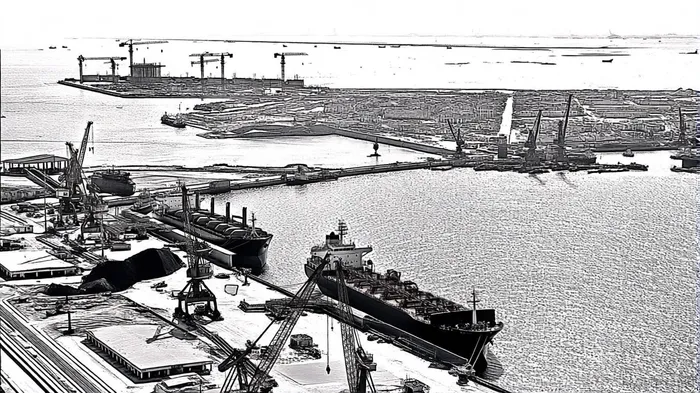





Comentarios
Aún no hay comentarios