
P&G's Strategic Overhaul: Can Consumer Giants Weather the Storm?
The global consumer goods sector is facing a perfect storm of rising operational costs, shifting consumer preferences, and geopolitical headwinds. Procter & Gamble (PG), the $90 billion titan behind brands like Tide, Pampers, and Gillette, has responded with a sweeping restructuring plan aimed at cutting $1.6 billion in costs and exiting non-core markets. But as tariffs and inflation squeeze margins, investors are left wondering: Can P&G's strategy secure long-term viability—or is this a sign of fragility in the consumer staples sector?
The Restructuring: Cutting Fat or Missing Muscle?
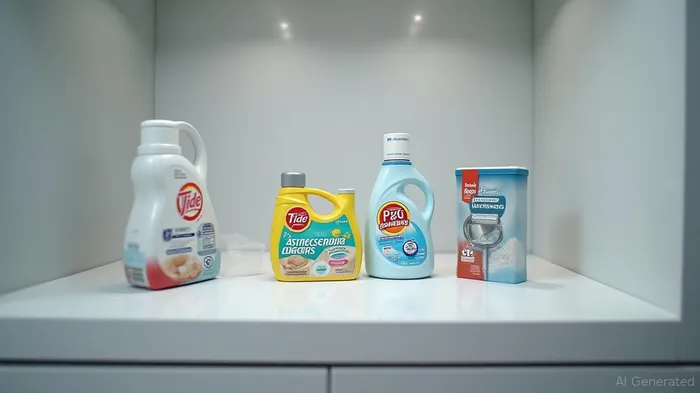
P&G's restructuring includes 7,000 job cuts (6% of its global workforce) and exits from underperforming markets like Argentina, Nigeria, and regional haircare brands in China and Latin America. The goal is to focus on high-margin, high-demand categories—think SK-II skincare and Tide laundry detergent—and streamline operations to counter rising costs.
Critics argue that shedding jobs and brands risks diluting P&G's portfolio, but CEO David Taylor insists this is a “reset for growth.” The company aims to reduce SG&A expenses by 3% annually and boost productivity through smaller teams and digitization. Early results are mixed: Q2 FY2025 sales rose 2% to $21.9 billion, but gross margins dipped due to commodity inflation.
Tariffs: A Tax on Profits and Pricing Power
P&G's biggest threat isn't just tariffs—it's the ripple effects of trade wars. The firm estimates tariffs will cost $600 million in FY2026, primarily due to Chinese imports of packaging and raw materials. While 90% of its U.S. products are domestically made, the remaining 10%—critical ingredients like surfactants—are disproportionately impacted.
To offset these costs, P&G has raised prices on some products, a strategy that risks alienating price-sensitive consumers. Yet CFO Andre Schulten argues that P&G's brand equity allows it to pass through costs better than competitors. The University of Michigan's consumer sentiment index (now at a 75-year low of 50.8) suggests households are already tightening budgets, however, which could limit pricing power.
Financials: Profitability Under Pressure, But Dividends Hold Steady
P&G's core EPS grew 2% to $1.88 in Q2, but headwinds loom. Commodity costs and foreign exchange are expected to shave $0.30 off FY2025 EPS, and tariffs could add another drag. Despite this, P&G maintains its dividend—$0.80 per share quarterly, yielding 2.5%—and plans $6–7 billion in buybacks. For income investors, this stability is a lifeline, but growth investors may worry about stagnant EPS.
The Bigger Question: Is Consumer Staples Still a Safe Haven?
P&G's challenges reflect broader industry trends. Inflation, trade wars, and shifting consumer habits (e.g., store-bought goods vs. subscription models) are testing even the strongest brands. Yet P&G's $5 billion addressable market in North America and $10 billion in Europe (untapped due to low penetration) suggest opportunities if it can execute its strategy.
The key risks are:
1. Trade policy uncertainty: Trump-era tariffs could escalate.
2. Consumer downgrades: A recession could hit discretionary spending (e.g., beauty products).
3. Competitor moves: Rivals like L'Oréal or Amazon-owned brands might undercut P&G's pricing.
Investment Takeaways: Hold for Dividends, But Watch Margins
P&G's restructuring is a necessary, if aggressive, move to realign with a tougher economic climate. Investors should:
- Hold for income: The dividend is secure, and buybacks will support share price.
- Avoid overpaying: At a P/E of 21x forward earnings, PG trades at a premium to its 10-year average.
- Monitor margins: If gross margins stabilize above 50%, it's a positive sign.
Final Verdict
P&G's survival hinges on executing its restructuring flawlessly while navigating tariff volatility and consumer caution. The brand portfolio remains a fortress, but the company's ability to innovate (e.g., sustainable packaging) and control costs will determine its long-term health. For now, P&G is a hold—a steady income play with growth risks. Investors seeking aggressive growth should look elsewhere.
Investors should closely watch:
- Q4 earnings (July 2025) for updates on brand exits and cost savings.
- Tariff negotiations with China for any easing of trade tensions.
- Consumer spending data to gauge demand resilience.
In a world where certainty is rare, P&G's restructuring is a bet on discipline over diversification. Time will tell if that's enough to weather the storm.







Comentarios
Aún no hay comentarios