
The Strategic Value of Long-Term LNG Partnerships in Asia's Energy Transition
In the evolving landscape of global energy, liquefied natural gas (LNG) has emerged as a critical bridge fuel, balancing the urgent need for energy security with the long-term imperative of decarbonization. Nowhere is this duality more evident than in Asia, where demand for cleaner energy sources is surging alongside economic growth. The recent long-term LNG supply agreement between PETRONAS and CNOOC exemplifies how strategic partnerships are reshaping the region's energy dynamics, offering both environmental and financial advantages.
LNG as a Bridge Fuel: Supporting Carbon Goals and Energy Security
The PETRONAS-CNOOC partnership, which involves the delivery of 1.0 million tonnes per annum (MTPA) of LNG, is explicitly tied to China's "Dual Carbon" goals of peaking emissions before 2030 and achieving carbon neutrality by 2060. By displacing coal-a major source of carbon emissions in China's energy mix-LNG serves as a pragmatic transitional solution, reducing greenhouse gas emissions while maintaining energy reliability. According to Upstream Online, the agreement also advances LNG bunkering initiatives, promoting natural gas as a marine fuel to further cut emissions in the transportation sector.
This partnership underscores the strategic importance of LNG in Asia's energy transition. As stated by PETRONAS, the deal reinforces its role as a "reliable LNG partner" in one of the region's most dynamic gas markets, ensuring stable supply amid geopolitical and market volatility. For China, which relies heavily on imported energy, such agreements mitigate the risks of supply disruptions and diversify its energy sources.
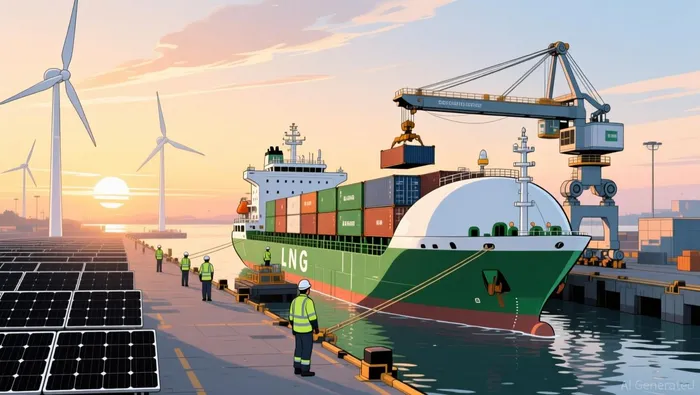
Investor Returns: Stability and Growth in a Volatile Market
Long-term LNG contracts, like the PETRONAS-CNOOC deal, provide investors with a unique combination of stability and growth potential. The 1.0 MTPA agreement offers PETRONAS predictable revenue streams, reducing exposure to short-term price fluctuations and geopolitical uncertainties. This aligns with broader trends among national oil companies, which are increasingly prioritizing LNG partnerships to secure returns while supporting decarbonization goals.
For CNOOC, the agreement aligns with its comprehensive climate governance framework, including carbon pricing mechanisms and emissions targets tied to China's "3060" goals. By locking in long-term supply, CNOOC mitigates the risks of energy shortages and ensures cost predictability for its domestic consumers, a critical factor in maintaining economic growth. Investors benefit from these dual advantages: a stable supply chain and alignment with global sustainability trends, which are increasingly driving capital allocation.
Broader Implications for Asia's Energy Transition
The PETRONAS-CNOOC partnership is part of a larger shift in Asia's energy strategy, where LNG is being integrated with renewables and low-carbon technologies. PETRONAS, for instance, is pursuing a three-pronged energy transition strategy: reducing emissions from oil and gas operations, expanding into renewables (solar, wind, biofuels), and leveraging AI-driven innovations to optimize energy production. Its subsidiary Gentari is advancing hydrogen production and green mobility solutions, positioning the company as a leader in decarbonizing hard-to-abate sectors.
Moreover, cross-border collaborations are accelerating the development of integrated energy ecosystems. These initiatives highlight the importance of regional partnerships in scaling infrastructure and sharing technological expertise, a critical factor for achieving Asia's decarbonization targets.
Conclusion: A Win-Win for Sustainability and Profitability
The PETRONAS-CNOOC LNG partnership demonstrates how long-term agreements can harmonize energy security, carbon reduction, and investor returns. By positioning LNG as a bridge fuel, such deals address immediate energy needs while aligning with the long-term shift toward cleaner energy. For investors, the stability of these contracts, combined with the growth potential of integrated energy firms, offers a compelling case for strategic investment. As Asia continues to lead the global energy transition, partnerships like these will remain pivotal in shaping a sustainable and prosperous future.







Comentarios
Aún no hay comentarios