
Strategic Investment in Secure and Regulated Blockchain Infrastructure: Achieving Stable Daily Returns in Crypto Through Legal Cloud Mining
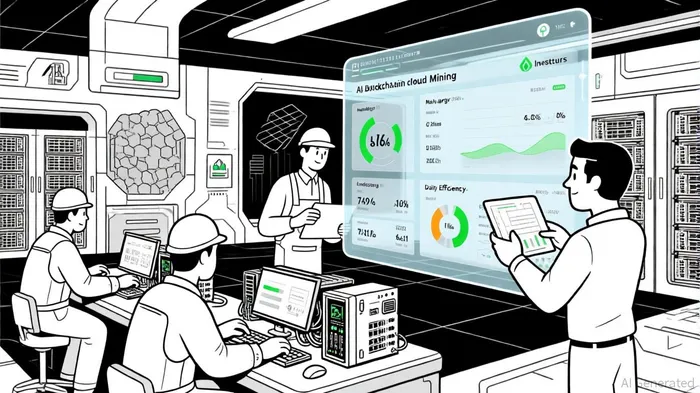
In 2025, the cryptocurrency investment landscape has evolved significantly, with legal cloud mining emerging as a strategic avenue for generating stable daily returns. As regulatory frameworks mature and security standards tighten, investors are increasingly prioritizing platforms that combine compliance, transparency, and technological innovation. This analysis explores how regulated cloud mining services leverage secure blockchain infrastructure to deliver consistent yields, supported by real-world data and industry trends.
Regulatory Foundations: Compliance as a Competitive Advantage
The U.S. Securities and Exchange Commission (SEC) and Commodity Futures Trading Commission (CFTC) have adopted a coordinated approach to digital asset regulation, harmonizing standards for spot trading and decentralized finance (DeFi) protocols[1]. This alignment has created a clearer legal framework for cloud mining services, which now operate under stringent compliance mandates such as the EU's Markets in Crypto-Assets (MiCA) and U.S. Money Services Business (MSB) licensing requirements[1]. For instance, platforms like DEAL Mining have secured MSB licenses while integrating AI-optimized mining and green energy infrastructure, demonstrating how regulatory adherence enhances operational legitimacy[3].
The European Union's MiCA framework, set to enforce stricter transactional transparency starting January 2026, further underscores the importance of compliance in building investor trust[4]. Platforms that proactively align with these standards—such as recording sender and receiver names for transactions—position themselves as low-risk options in a market historically plagued by volatility and fraud[4].
Security Standards: The Pillars of Trust and Stability
Security remains a cornerstone of successful cloud mining operations. The Blockchain Security Standards Council (BSSC) has introduced critical benchmarks, including the Node Operation Standard (NOS) and Key Management Standard (KMS), to mitigate risks like 51% attacks and smart contract vulnerabilities[2]. These standards, aligned with NIST and ISO 27001 frameworks, mandate robust encryption, multi-factor authentication, and regular audits[2].
Vietnam's 30% annual growth in cryptocurrency users highlights the global demand for secure platforms, with investors prioritizing features such as cold wallet storage and EV SSL certification[2]. For example, IeByte, a leading cloud mining provider, employs multi-signature authorization and real-time monitoring to ensure asset safety while delivering daily returns of 2–5%[1]. Such measures not only protect against cyber threats but also reinforce confidence in the platform's ability to sustain consistent payouts.
Financial Strategies: AI-Driven Optimization and Renewable Energy
Regulated cloud mining platforms in 2025 leverage AI-based algorithms to dynamically adjust hash power allocation, energy consumption, and mining pool participation. This optimization ensures maximum profitability even amid fluctuating network difficulties and cryptocurrency prices. Platforms like FioBit and HEXminer integrate renewable energy sources—such as hydro and solar power—to reduce operational costs, achieving daily returns of 1.5–2.2%[3].
Low entry barriers further democratize access to cloud mining. Services like ECOS Mining and MiningCoop allow investments starting at $75–$100, with real-time dashboards enabling users to track earnings[1]. Additionally, features such as principal protection guarantees and auto-reinvestment options enhance long-term stability. For instance, Cryptosolo offers full principal refunds at contract expiration, while platforms like HashFly provide welcome bonuses to incentivize participation[4].
Future Outlook: Integration of Predictive Compliance and AI
The future of cloud mining compliance is poised to integrate predictive analytics and AI-driven risk management. By 2026, platforms are expected to adopt machine learning models that anticipate regulatory changes and adjust operations in real time, ensuring continuous alignment with evolving standards[1]. This proactive approach will further reduce penalties and operational disruptions, solidifying cloud mining as a reliable passive income stream.
Conclusion: A Secure Pathway to Passive Income
For investors seeking stable daily returns in crypto, regulated cloud mining platforms offer a compelling blend of compliance, security, and technological innovation. By adhering to global standards like MiCA and BSSC, and leveraging AI and renewable energy, these platforms mitigate risks while maximizing profitability. As the industry matures, strategic investments in secure blockchain infrastructure will remain critical to navigating the complexities of the crypto market.







Comentarios
Aún no hay comentarios