
Strategic Implications of the WK Kellogg and Ferrero Merger on the Global Snacks Sector
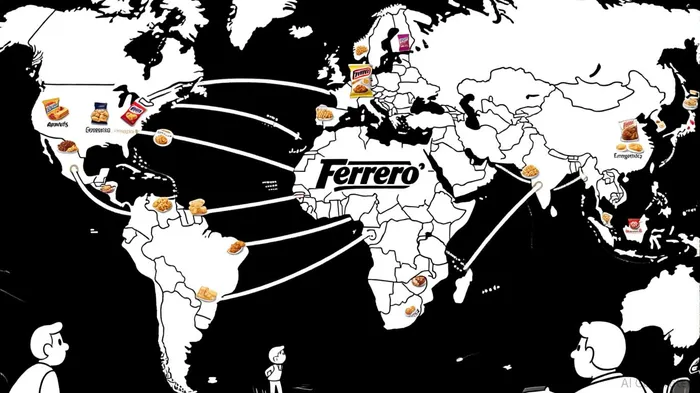
The acquisition of WK KelloggKLG-- Co by Ferrero Group for $3.1 billion in 2025 marks a pivotal moment in the global snacks sector, signaling a shift toward M&A-driven consolidation and strategic value creation. This transaction, structured as an all-cash deal at a 40% premium to WK Kellogg's 30-day volume-weighted average price[1], underscores Ferrero's ambition to dominate key consumption moments—particularly breakfast—while reshaping competitive dynamics in North America. For investors, the merger offers a lens to analyze how strategic acquisitions can unlock synergies, drive operational efficiencies, and redefine market leadership in an evolving industry.
Strategic Rationale: Expanding Market Footprint and Category Convergence
Ferrero's acquisition of WK Kellogg Co is a masterstroke in its North American growth strategy. By acquiring iconic cereal brands like Frosted Flakes, Froot Loops, and Special K, Ferrero gains immediate access to a $2.7 billion annual revenue stream and a robust distribution network[2]. This move aligns with broader industry trends of category convergence, where companies seek to create “snackification” across meals. For instance, Ferrero's existing portfolio—spanning confectionery, frozen desserts, and cookies—now complements WK Kellogg's breakfast dominance, enabling cross-selling opportunities and extended consumer engagement throughout the day[3].
The strategic fit is further amplified by shared operational DNA. Ferrero's history of revitalizing underperforming brands—such as Butterfinger and Keebler post-acquisition[4]—suggests a playbook for rejuvenating WK Kellogg's portfolio. This aligns with the company's long-term investment mindset, as noted in its press releases, which emphasize “a legacy of innovation and community impact”[5].
Shareholder Value Creation: Synergies and Operational Efficiency
The merger's financial terms highlight Ferrero's commitment to value creation. With estimated annual cost savings of $200 million from supply chain scale and operational efficiencies[6], the deal promises rapid returns for stakeholders. These synergies stem from Ferrero's vertically integrated supply chain, exemplified by its 2014 acquisition of Oltan Group (the world's largest hazelnut supplier[7]), which ensures raw material stability and cost control.
Moreover, the all-cash structure minimizes debt accumulation, preserving Ferrero's financial flexibility. This is critical in a sector where capital expenditures—such as Ferrero's $958 million in 2023/24 investments in U.S., German, and Chilean facilities[8]—are essential for scaling production and meeting demand. For WK Kellogg shareholders, the 40% premium[1] reflects a premium valuation for its North American cereal business, which had faced stagnation amid shifting consumer preferences toward healthier options.
Broader M&A Trends: Resilience Amid Trade Uncertainties
The Ferrero-Kellogg deal emerges amid a complex M&A landscape. While global food and beverage dealmaking declined in 2025 due to tariffs and trade uncertainties[9], strategic buyers are prioritizing high-value, tariff-resilient acquisitions. Ferrero's focus on domestic supply chains—evident in its 2023 acquisition of Fresystem Group[10]—mirrors this trend. By integrating WK Kellogg's U.S.-centric operations, Ferrero mitigates exposure to international trade volatility while capitalizing on the U.S. snacks market's $120 billion annual revenue potential[11].
The merger also aligns with the sector's shift toward health-conscious innovation. WK Kellogg's Kashi and Bear Naked brands, which emphasize organic and whole-grain ingredients, complement Ferrero's recent launches like Nutella Peanut and calcium-enriched products[12]. This positions the combined entity to capture growing demand for functional snacks, a category projected to grow at 6% CAGR through 2030[13].
Competitive Implications: Reshaping the Breakfast Aisle
The merger's impact on the U.S. breakfast market is profound. With Ferrero now controlling 12% of the cereal category (via Frosted Flakes and Froot Loops[14]), it directly challenges incumbents like General MillsGIS-- and Post HoldingsPOST--. The acquisition's cultural alignment—both companies emphasize “shared values and a legacy of innovation”[5]—suggests a unified approach to product development and marketing.
For competitors, the deal raises the bar for scale and agility. MondelezMDLZ-- and HersheyHSY--, for instance, must accelerate their own M&A strategies or risk ceding market share. The transaction also signals a broader industry trend: consolidation among mid-sized players to counteract the dominance of global giants.
Conclusion: A Blueprint for Future Consolidation
The Ferrero-Kellogg merger exemplifies how strategic M&A can drive sector consolidation and shareholder value. By combining Ferrero's operational expertise with WK Kellogg's iconic brands, the deal creates a powerhouse poised to capitalize on health trends, supply chain resilience, and category convergence. For investors, this transaction underscores the importance of evaluating acquisitions not just for immediate financial returns but for their long-term strategic fit and ability to adapt to evolving consumer demands.
As the snacks sector navigates trade uncertainties and shifting preferences, the Ferrero-Kellogg model—prioritizing premium valuations, operational synergies, and innovation—may well set the standard for future deals.





Comentarios
Aún no hay comentarios