
Strategic Implications of Kazakh Oil Deliveries to Germany for Energy Transition Investors
In the post-Ukraine invasion era, energy transition investors are increasingly prioritizing geopolitical risk mitigation and supply chain diversification. Kazakhstan's strategic pivot to expand oil exports to Germany offers a compelling case study in how traditional energy corridors are being reconfigured to align with these priorities. Recent data and policy shifts underscore the growing significance of Kazakh-German energy ties, with implications for investors seeking to balance energy security with decarbonization goals.
Kazakh-German Energy Dynamics: A Dual-Route Strategy
Kazakhstan's oil exports to Germany have surged in 2025, driven by a dual-route strategy leveraging the Druzhba pipeline and the Baku-Tbilisi-Ceyhan (BTC) pipeline. According to a Reuters report, Kazakh oil shipments to Germany via the Druzhba system increased by 38% year-on-year in January–July 2025, reaching 1.086 million metric tons (37,550 bpd). This growth is part of a broader plan by KazMunayGas to deliver 1.7 million tonnes of crude to Germany in 2025, a 15% increase from 2024 targets, Caliber.Az reported.
The BTC pipeline, meanwhile, has resumed operations after an August 2025 suspension due to contamination concerns. By September, Kazakhstan dispatched 18,000 tonnes of Kashagan crude via BTC, signaling a symbolic bypass of Russian-dominated infrastructure, the Reuters report noted. While the CPC route still handles over 80% of Kazakh exports, the BTC's revival reflects a deliberate effort to diversify export corridors, EADaily reported.
Geopolitical Risk Mitigation: Beyond the Ukraine Factor
The Ukraine conflict has accelerated Europe's quest to reduce reliance on Russian hydrocarbons. Germany, a key Kazakh partner, has emerged as a critical market for Kazakh oil. As stated by Caspian Post, Germany's interest in Kazakh crude has grown to offset Russian imports, with plans to import up to 2.5 million tonnes annually by 2025. This aligns with Kazakhstan's own geopolitical strategy to reduce vulnerability to Russian influence, particularly as the CPC route remains under Moscow's operational control.
The BTC pipeline's symbolic importance cannot be overstated. By routing oil through Georgia and Turkey, Kazakhstan gains access to Mediterranean markets and reduces exposure to Russian transit risks. Data from Kaztransoil shows that BTC exports in 2025 reached 0.9 million tonnes, with further growth anticipated as infrastructure upgrades progress, EADaily reported. For investors, this diversification represents a tangible hedge against geopolitical volatility.
Energy Transition Context: Bridging Fossil Fuels and Renewables
While Kazakhstan's oil exports may seem at odds with global decarbonization goals, the country's energy strategy is increasingly framed as a transitional bridge. The European Union's push for a 55% emissions reduction by 2030 necessitates a phased shift from fossil fuels, but immediate energy security remains paramount. Kazakhstan's role as a stable, non-Russian supplier allows Germany to maintain industrial output while investing in renewables.
Moreover, Kazakh-German cooperation extends beyond oil. High-level discussions in 2025 highlighted joint initiatives in infrastructure and digitalization, including smart grid technologies and carbon capture projects, the Reuters report added. These partnerships suggest that Kazakhstan is not merely a short-term supplier but a strategic partner in Germany's long-term energy transition.
Investment Implications for Energy Transition Portfolios
For investors, the Kazakh-German energy corridor presents opportunities in three areas:
1. Pipeline Infrastructure: Upgrades to the BTC and Druzhba systems could attract capital for midstream assets, particularly as demand for non-Russian oil grows.
2. Geopolitical Hedging: Diversified supply chains reduce exposure to regional conflicts, making Kazakh oil a lower-risk asset compared to Russian or Middle Eastern alternatives.
3. Transition Technologies: Collaborative projects in carbon capture and renewable integration position investors to capitalize on Kazakhstan's evolving energy landscape.
However, risks persist. The BTC pipeline's technical challenges and the CPC's continued dominance highlight the need for cautious, long-term planning. Investors must also weigh Kazakhstan's environmental record against global ESG standards, as the country's oil sector remains a significant carbon emitter.
Conclusion
Kazakhstan's oil exports to Germany exemplify the complex interplay between energy security and decarbonization in the post-Ukraine era. By leveraging dual pipeline routes and deepening economic ties, both nations are navigating a fragile geopolitical landscape while laying groundwork for a sustainable energy future. For energy transition investors, this dynamic offers a unique opportunity to balance immediate needs with long-term goals-provided they approach it with a nuanced understanding of both the risks and rewards.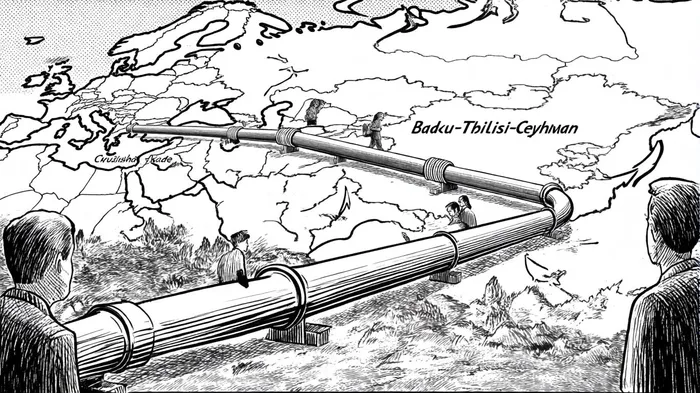







Comentarios
Aún no hay comentarios