
Strategic Implications of Germany's Exit from Uniper and SEFE: Capitalizing on the Reprivatization Window in Energy Infrastructure
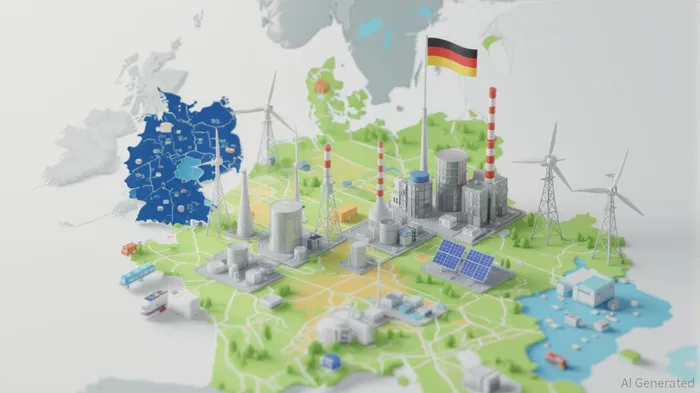
Germany's strategic reevaluation of its nationalized energy firms—Securing Energy for Europe GmbH (SEFE) and Uniper SE—has positioned the country at a pivotal crossroads in energy infrastructure. With the government exploring a sale, merger, or breakup of these entities by mid-2025, the reprivatization window presents a unique opportunity for investors to capitalize on structural shifts in Europe's energy sector. This analysis examines the implications of Germany's exit strategy, contextualizes it within global reprivatization trends, and draws lessons from historical case studies to outline actionable investment recommendations.
Germany's Exit Strategy: Options and Challenges
The German government, under pressure from the European Commission to reduce its stake in Uniper to no more than 25% plus one share by 2028, is prioritizing a clear exit plan. According to a report by Bloomberg, early-stage discussions with Boston Consulting Group reveal that a merger between SEFE and Uniper is being considered as a fallback option if the standalone sale of Uniper proves unfeasible[1]. This approach aims to streamline operations and simplify the government's exit, though it faces significant hurdles, including antitrust scrutiny and the need for approval from multiple ministries and Chancellor Friedrich Merz[1].
Uniper's complex portfolio—spanning gas trading, coal-fired power plants, and renewable energy assets—complicates its sale. However, the company's recent credit improvements, driven by state share purchases and the exit from Russian operations, have enhanced its attractiveness to private investors[3]. Meanwhile, SEFE's assets, including a major gas storage site and a costly LNG contract with Russia, underscore the strategic value of these entities in ensuring energy security during the transition to renewables[1].
Global Reprivatization Trends and Investment Opportunities
Germany's reprivatization efforts align with broader global trends in energy infrastructure. For instance, Saudi Arabia's $11 billion partnership with BlackRock's Global Infrastructure Partners highlights the growing role of private capital in funding large-scale energy projects[1]. Similarly, the U.S. Department of Energy's $1 billion pledge to secure critical mineral processing reflects a strategic shift toward reducing foreign dependency and enhancing energy security[1].
The energy transition itself demands substantial investment in transmission and distribution infrastructure. According to the World Economic Forum, global clean energy and infrastructure investment reached $2 trillion in 2024, with $452 billion allocated to grids and storage[2]. However, the International Energy Agency (IEA) warns that grid investment must double by 2030 to meet decarbonization goals[2]. Innovative financing models, such as public-private partnerships (PPPs), are emerging as critical tools to bridge this gap, particularly in emerging markets[2].
Case Studies: Lessons from Europe and Beyond
Historical reprivatization efforts in Europe offer valuable insights. Romania's energy sector liberalization in the late 1990s and early 2000s attracted European utilities like E.ON and Enel, modernizing infrastructure but also consolidating market power in the hands of a few players[2]. This underscores the need for regulatory oversight to prevent anti-competitive outcomes.
In contrast, the UK's fully privatized energy sector remains an outlier in Europe, though it has not consistently translated into lower consumer prices due to taxation and regulatory influences[3]. Meanwhile, France and Germany have seen creeping renationalization, with governments imposing price caps and regulatory measures that resemble state intervention[3]. These examples highlight the delicate balance between private investment and public oversight in ensuring energy affordability and security.
Strategic Recommendations for Investors
- Target Renewable Energy Assets: Uniper's pivot toward hydrogen and ammonia trading, coupled with its European market presence, positions it as a key player in decarbonization. Investors should prioritize renewable energy projects within Uniper's portfolio, particularly those aligned with international partnerships like its collaboration with Kyuden International[4].
- Leverage Infrastructure Financing Models: Given the IEA's grid investment gap, opportunities exist in PPPs and low-risk capital from pension funds and insurance companies. Germany's reprivatization window could attract similar models, particularly for upgrading transmission infrastructure to support renewables[2].
- Monitor Regulatory and Fiscal Shifts: Chancellor Merz's €1 trillion infrastructure and defense spending plan, while controversial, may create a more favorable environment for private investment in energy. However, investors must remain vigilant about EU fiscal rules and potential policy rollbacks under the new U.S. administration[5].
Conclusion
Germany's reprivatization of Uniper and SEFE represents more than a domestic policy shift—it is a microcosm of the global energy transition's complexities. By learning from historical case studies and aligning with emerging financing models, investors can navigate regulatory uncertainties and capitalize on the strategic value of Germany's energy infrastructure. As the government finalizes its exit plan, the coming months will be critical in determining whether this reprivatization window becomes a catalyst for sustainable growth or a missed opportunity in a rapidly evolving sector.







Comentarios
Aún no hay comentarios