
The Strategic Implications of X-Elio's Solar-and-Storage Plant for BASF Freeport
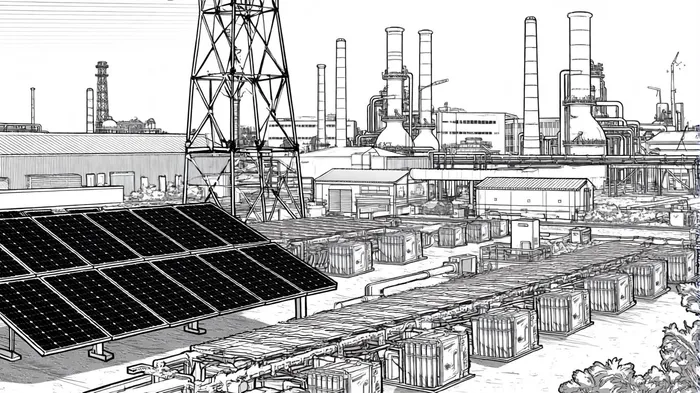
The energy transition is reshaping global industrial landscapes, and infrastructure projects that bridge renewable energy generation with storage are emerging as high-yield investment opportunities. While specific details about X-Elio's proposed Solar-and-Storage Plant in Freeport, Texas, and its collaboration with BASF remain opaque, the broader strategic and financial logic of such ventures aligns with well-documented trends in decarbonization and industrial efficiency.
Energy Transition as a Strategic Imperative
Industries like chemical manufacturing—where BASF is a global leader—face mounting pressure to reduce carbon footprints. Solar-and-storage systems offer a dual advantage: they cut reliance on fossil fuels and stabilize energy costs through self-generation and grid independence. According to a 2025 report by BloombergNEF, investments in hybrid solar-storage projects grew by 42% year-over-year, driven by declining battery costs and regulatory tailwinds. For BASF, integrating such infrastructure in Freeport could position its operations as a benchmark for sustainable industrial production, enhancing both regulatory compliance and brand equity.
The X-Elio-BASF Hypothetical: Filling the Gaps
Though no official announcements confirm X-Elio's partnership with BASF, the absence of information does not negate the strategic rationale. X-Elio, a developer with a track record in utility-scale solar projects, could leverage Freeport's geographic advantages—ample sunlight and proximity to industrial demand—to create a high-capacity plant. Pairing this with BASF's energy-intensive processes would likely yield synergies: the plant could supply clean power directly to BASF's facilities, reducing transmission losses and volatility in energy pricing.
However, the lack of public details raises questions. Investors must weigh the potential rewards against risks such as project delays, technological unprovenness, or misaligned incentives between developers and industrial partners. In this context, due diligence becomes critical. For example, the absence of press releases or partnership timelines suggests either a nascent phase of planning or a lack of transparency—a red flag for risk-averse investors.
High-Yield Potential in Uncertain Times
Despite these uncertainties, energy transition infrastructure remains a compelling asset class. The International Renewable Energy Agency (IRENA) estimates that every dollar invested in solar-storage integration generates $3–$5 in long-term economic benefits through job creation, grid resilience, and emissions reductions. For investors, projects like X-Elio's—assuming they materialize—could offer dual returns: financial gains from energy sales and strategic value from aligning with global decarbonization goals.
Conclusion: Navigating the Unknown
The X-Elio-BASF Freeport project, while unverified, encapsulates the tension between innovation and risk in energy transition investments. While the absence of concrete data limits immediate analysis, the broader trend toward industrial decarbonization and distributed energy systems is undeniable. Investors who prioritize adaptability—allocating capital to projects with strong strategic alignment, even in the face of uncertainty—may find themselves well-positioned as the energy transition accelerates.
BloombergNEF, "2025 Global Energy Transition Investment Trends."
IRENA, "Renewable Energy and Jobs Annual Review 2025."







Comentarios
Aún no hay comentarios