
Strategic Expansion and Brand Premiumization: IHG's Vignette Collection in Germany's Luxury Hospitality Market
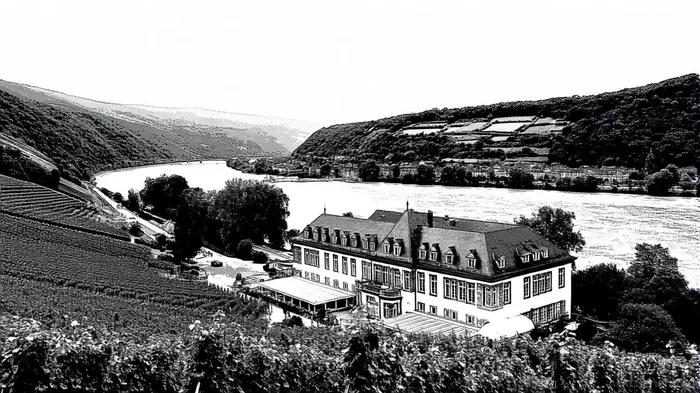
InterContinental Hotels Group (IHG) has positioned its Vignette Collection as a cornerstone of its luxury hospitality strategy in Germany, a market where the company already operates 171 hotels and has 65 in development across ten brands [1]. The recent addition of Hotel Schloss Reinhartshausen—a 53-room property in the Rheingau wine region—marks the third Vignette Collection hotel in Germany, joining the ranks of Bristol Berlin and Alte Post in Reit im Winkl [2]. This expansion reflects IHG's dual focus on market entry into high-growth luxury segments and brand premiumization through localized, experience-driven offerings.
Strategic Market Entry: Balancing Local Charm and Global Scale
IHG's Vignette Collection model is designed to attract independent hoteliers who seek to preserve the unique character of their properties while leveraging IHG's global brand equity and operational expertise [3]. For instance, Hotel Schloss Reinhartshausen, owned by Dana Qadir, will retain its historic charm but gain access to IHG's enterprise capabilities, including marketing, loyalty programs, and sustainability frameworks [4]. This hybrid approach allows IHGIHG-- to tap into Germany's demand for boutique luxury without compromising the authenticity that differentiates regional properties from mass-market chains.
The strategic locations of Vignette Collection hotels—such as the urban dynamism of Berlin and the scenic tranquility of the Rheingau—underscore IHG's alignment with evolving traveler preferences. According to a report by Hotel Management Network, 72% of German luxury travelers prioritize “unique, locally immersive experiences” over standardized services [5]. By curating properties in high-demand destinations, IHG not only captures urban and resort markets but also strengthens its competitive edge against rivals like Accor and Hilton, who are expanding their own luxury portfolios in Europe [6].
Brand Premiumization: Sustainability, Community, and Experiential Luxury
IHG's premiumization strategy for Vignette Collection is anchored in three pillars: sustainability, community engagement, and localized experiences. The brand's “A Means For Good” philosophy emphasizes eco-friendly practices, such as energy-efficient operations and partnerships with local artisans [7]. For example, Hotel Schloss Reinhartshausen's wellness area and farm-to-table dining options align with the growing demand for sustainable luxury, a trend projected to grow at 8.5% CAGR in Europe through 2030 [8].
Moreover, Vignette Collection differentiates itself by fostering hyper-local connections. Properties like Alte Post in Reit im Winkl integrate regional cultural narratives into guest experiences, from curated wine tastings to collaborations with local artists . This approach not only enhances brand loyalty but also justifies premium pricing. Data from Hotel News Resource indicates that Vignette Collection hotels in Germany command an average rate 25% higher than non-branded luxury properties, reflecting strong consumer willingness to pay for distinctiveness .
Competitive Differentiation and Investment Implications
IHG's Vignette Collection competes indirectly with its own InterContinentalIHG-- and Kimpton brands while directly targeting niche segments underserved by traditional luxury chains. While InterContinental focuses on global consistency and Kimpton on design-forward lifestyle hotels, Vignette Collection occupies a middle ground: it offers the prestige of a global brand with the intimacy of a local gem . This positioning is critical in Germany, where 45% of luxury travelers express dissatisfaction with “cookie-cutter” hotel experiences .
From an investment perspective, IHG's strategy is underpinned by scalable growth. The Vignette Collection, launched in 2021, has already surpassed 50% of its 100-property target by 2030, with 34 hotels in development across Asia, the Americas, and Europe . In Germany alone, the pipeline includes potential expansions in wine regions and cultural hubs, capitalizing on the country's $12.3 billion luxury hospitality market .
Conclusion: A Win-Win for IHG and Investors
IHG's Vignette Collection in Germany exemplifies a calculated approach to luxury market entry: it balances brand premiumization with operational scalability, leveraging local assets to meet global demand. For investors, this strategy offers dual benefits: revenue diversification through high-margin luxury segments and risk mitigation via partnerships with independent owners who bear upfront capital costs. As the luxury hospitality sector shifts toward personalized, sustainable experiences, IHG's Vignette Collection is well-positioned to capture market share while delivering long-term value.





Comentarios
Aún no hay comentarios