
The Strategic Case for XRP Institutional Adoption via Evernorth's Nasdaq Listing (XRPN)
A Regulated On-Ramp for XRP
Evernorth's public listing via a business combination with Armada Acquisition Corp II (a SPAC) is notNOT-- just another crypto token offering-it's a calculated move to bring XRP into the institutional fold under the scrutiny of Nasdaq and U.S. regulators. By raising over $1 billion in gross proceeds (with $200 million from SBI Holdings, a major Japanese financial services firm, according to Coinotag), Evernorth is positioning itself as a regulated custodian of XRP, allocating 45% of proceeds to open-market XRP purchases, as reported by The Crypto Basic. This creates a $450 million institutional XRP treasury, the largest of its kind, while the remaining funds will support operational expenses and strategic initiatives.
The SPAC structure itself is a nod to regulatory alignment. Unlike direct listings or unregulated token sales, SPAC mergers are subject to SEC disclosure requirements and Nasdaq governance standards, offering institutional investors a layer of transparency often absent in crypto. This is critical for pension funds, endowments, and asset managers who need compliance frameworks to justify crypto exposure.
Strategic Treasury Management: Blending Traditional Finance and DeFi
Evernorth's approach to XRP treasury management is where innovation meets pragmatism. The company plans to run XRP validators on the XRP Ledger (XRPL), contributing to network security while earning transaction fees. Simultaneously, it will leverage Ripple's stablecoin, RLUSD, to generate yield through decentralized finance (DeFi) protocols-a hybrid model that bridges the gap between traditional asset management and blockchain-native opportunities, according to FinancialContent.
This dual strategy addresses two major pain points for institutional investors: liquidity and return generation. By holding XRP in a regulated vehicle (XRPN) and actively managing its treasury via DeFi, Evernorth creates a multi-asset exposure model that mitigates the risks of holding raw crypto while capitalizing on its upside. For context, Ripple CEO Brad Garlinghouse and former Ripple executive Asheesh Birla-both serving as strategic advisors-have emphasized that this model could generate alpha through yield farming and validator rewards, while XRPN's Nasdaq listing ensures price discovery and market confidence, according to The Crypto Basic.
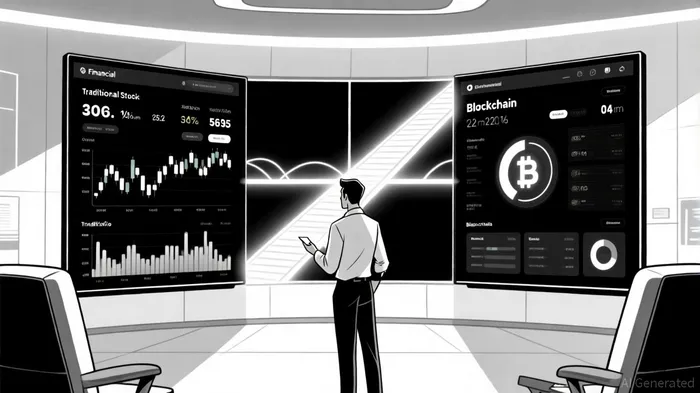
Market Validation and Regulatory Momentum
The market has already begun to respond. Since Evernorth announced its $1 billion XRP treasury, XRP's trading volume surged by 60%, and its price briefly outperformed BitcoinBTC-- and EthereumETH-- in late October 2025, as reported by Coinotag report. This momentum is not accidental-it reflects growing confidence in XRP's utility as a cross-border payment solution and its alignment with regulatory clarity.
Regulatory alignment is further reinforced by Evernorth's validator operations and transparent treasury reporting. By running XRP validators, the company demonstrates a commitment to the XRPL ecosystem's decentralization, a key concern for regulators. Meanwhile, its public filings will require quarterly disclosures on XRP holdings and yield strategies, a level of transparency that institutional investors demand.
The Bigger Picture: Why This Matters for Crypto's Future
Evernorth's Nasdaq listing is more than a financial transaction-it's a blueprint for institutional crypto adoption. By packaging XRP into a regulated, liquid, and yield-generating vehicle, XRPN addresses the core objections of traditional finance:
- Regulatory Risk: SPAC structure + SEC compliance.
- Liquidity: Nasdaq listing ensures tradability.
- Yield Generation: DeFi integration and validator rewards.
This model could set a precedent for other crypto tokens. If successful, it may encourage more institutional players to enter the space, accelerating the adoption of digital assets in mainstream portfolios.
Conclusion: A Strategic Bet on XRP's Institutional Future
For investors, Evernorth's XRPN represents a unique opportunity: a regulated, capital-efficient, and innovation-driven vehicle to gain exposure to XRP's growth story. With $1 billion in institutional backing, strategic leadership from Ripple veterans, and a hybrid treasury model, XRPN is not just a stock-it's a test case for the future of institutional crypto investing.
As the SPAC merger nears final regulatory approval, the question isn't whether XRP will gain institutional traction-it's how quickly.






Comentarios
Aún no hay comentarios