
The Strategic Case for Investing in Modular Suspension Technology Providers Amid EV Market Shifts
BMW's Strategic Shift: Bridging the Gap with Range-Extended EVs
According to a report by Bloomberg, BMW is actively evaluating the integration of range-extending engines into its electric vehicle (EV) lineup, particularly in China, where local competitors like BYD and Li AutoLI-- have captured 30% of the plug-in hybrid market with range-extender SUVs. This strategy involves adding small gasoline engines to larger models such as the X5 and 7-Series to recharge batteries during long trips, without the engine directly powering the wheels. The move is a calculated response to consumer concerns about range anxiety and the higher costs of all-electric vehicles, while leveraging BMW's existing expertise in compact engines and gearboxes to reduce integration costs.
This pivot aligns with broader industry trends. Automakers like StellantisSTLA-- and Volkswagen are similarly exploring hybrid solutions to bridge the gap between traditional combustion engines and fully electric vehicles according to Bloomberg reports. For component suppliers, this signals a temporary but significant shift in demand toward technologies that support hybrid architectures.
Modular Suspension Technology: A Critical Enabler for Hybrid and EV Platforms
Modular suspension systems are emerging as a cornerstone of next-generation vehicle design, particularly for automakers like BMW that prioritize scalability and cost efficiency. The Neue Klasse platform, which underpins BMW's 2025 all-electric iX3 and future models, is designed to be adaptable across multiple vehicle types and powertrains according to BMW Group press releases. This modular approach allows for seamless integration of both battery-electric and range-extended configurations, reducing development time and costs.
While specific modular suspension technology providers with direct ties to BMW's 2025 initiatives remain unnamed in the current research, the broader market dynamics are clear. The global automotive suspension market is projected to grow from $28.4 billion in 2023 to $42.43 billion by 2032, driven by demand for lightweight, adaptable systems that support electrification. Suppliers capable of developing suspension technologies compatible with hybrid and EV platforms-such as adaptive damping systems or air suspension integrated with energy recovery mechanisms-are well-positioned to capitalize on this growth.
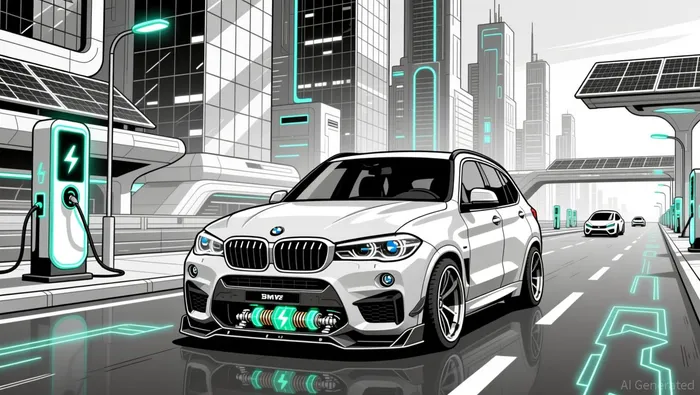
Global Electrification Trends and the Role of Strategic Partnerships
BMW's electrification strategy is not operating in isolation. The company's investment in high-speed charging infrastructure through IONITY and its plans to expand charging networks in China underscore its commitment to supporting long-term EV adoption according to industry reports. However, the interim reliance on range-extended solutions highlights the importance of component suppliers who can adapt to hybrid architectures.
For example, BMW-backed electric motor supplier DeepDrive is already expanding its range-extender technology, with multiple automakers expressing interest in the innovation. While DeepDrive's focus is on powertrain components, its success illustrates the broader ecosystem of suppliers that benefit from BMW's hybrid experimentation. Modular suspension providers, similarly, must innovate to accommodate the unique weight distribution and dynamic requirements of range-extended EVs, which often involve additional mechanical components compared to pure EVs.
Investment Implications: Targeting High-Growth Component Providers
The key for investors lies in identifying suppliers that align with two critical trends:
1. Modular Scalability: Companies developing suspension systems that can be easily adapted across multiple vehicle platforms and powertrain types.
2. Hybrid Compatibility: Firms with expertise in integrating suspension technologies with hybrid systems, such as those that manage the added complexity of range-extending engines.
While the research does not explicitly name modular suspension providers with validated partnerships to BMW's 2025 initiatives, the broader market trajectory is evident. The automotive suspension sector's projected 20.81% CAGR through 2032 according to industry forecasts suggests that suppliers with strong R&D capabilities and strategic alignment with electrification trends will outperform.
Conclusion: A Strategic Inflection Point
BMW's pivot to range-extended EVs is a microcosm of the automotive industry's broader struggle to balance consumer preferences, regulatory demands, and technological feasibility. For modular suspension technology providers, this represents a unique opportunity to position themselves at the forefront of a rapidly evolving supply chain. As automakers like BMW continue to refine their electrification strategies, the demand for adaptable, high-performance components will only intensify. Investors who recognize this inflection point-and target suppliers with the technical agility to meet it-stand to reap significant rewards in the coming decade.





Comentarios
Aún no hay comentarios