
The Strategic Case for Energy and Tech Sectors in 2026
The energy and technology sectors in 2026 are poised for a transformative phase, driven by a confluence of geopolitical realignments and AI-driven innovation. As global demand for electricity surges-fueled by artificial intelligence, electric vehicles, and data centers-investors must navigate a landscape where energy security, decarbonization, and technological leadership intersect. This analysis outlines the strategic case for investing in these sectors, emphasizing how geopolitical tailwinds and AI advancements create compelling opportunities.
Geopolitical Tailwinds: Reshaping Energy and Tech Supply Chains
The 2025-2026 period has seen a dramatic shift in global energy and technology supply chains, with nations prioritizing energy security and technological sovereignty. China's dominance in clean energy technologies-solar, wind, and battery manufacturing-has solidified its position as a critical player in the global energy transition. By 2026, , creating both opportunities and risks for investors. Conversely, the United States has accelerated efforts to reshore clean energy supply chains, with policies like the incentivizing domestic production.
Geopolitical tensions, particularly between the U.S. and China, have further fragmented global supply chains. Tariffs and trade restrictions have reshaped mineral and technology flows, with critical resources like rare earths and copper becoming strategic assets. For instance, the U.S. is expanding gas and LNG production to reduce reliance on Chinese-dominated renewables, while China is leveraging its green hydrogen ambitions to dominate emerging markets. These dynamics create a dual-edged sword: while they heighten supply chain risks, they also open avenues for investors in regionalized infrastructure and technology partnerships.
AI-Driven Innovation: Redefining Energy Systems
Artificial intelligence is no longer a peripheral tool in energy systems-it is a foundational driver of efficiency, scalability, and resilience. By 2026, AI applications in grid optimization and renewable forecasting . For example, AI-powered load forecasting enables real-time balancing of supply and demand, reducing grid instability caused by intermittent renewables. In Texas (), in peak demand energy use during trials, highlighting their potential to mitigate grid strain.
China's AI-integrated green hydrogen projects exemplify the sector's strategic potential. 's AI-optimized green hydrogen facility in Chifeng, which operates on an off-grid renewable system, underscores how AI enhances production efficiency and stability. By 2026, China's electrolyzer installations are expected to triple, positioning it as a global leader in green hydrogen exports. Meanwhile, U.S. tech giants like Microsoft and Google are investing in geothermal and microgrid technologies to secure stable power for AI data centers, aligning corporate sustainability goals with energy innovation.
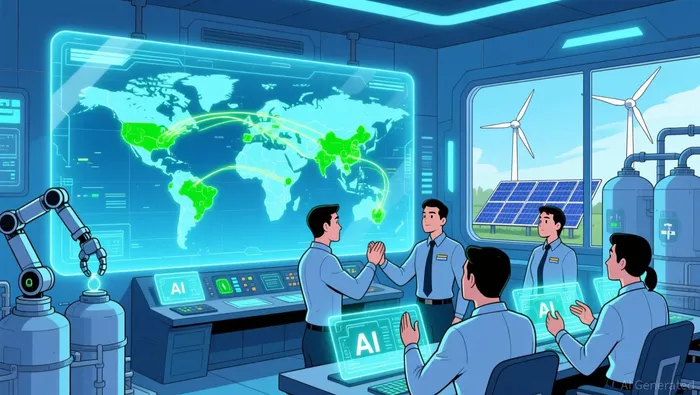
Challenges and Opportunities: Navigating the AI-Energy Nexus
The AI-energy nexus presents both challenges and opportunities. By 2030, of electricity-equivalent to the combined current usage of Germany and France. This surge strains aging grids, particularly in Europe and the U.S., where . Grid modernization is now a critical bottleneck, .
However, these challenges also create investment opportunities. Virtual power plants, advanced geothermal projects, and AI-driven microgrids are emerging as solutions to meet AI-driven demand. For instance, the Electric Power Research Institute's demonstrates how AI data centers can integrate into grid reliability frameworks, . Similarly, AI's role in predictive maintenance.
Geopolitically, the AI-energy nexus is redefining power dynamics. Control over data, computing infrastructure, and algorithmic capabilities is becoming a new frontier of competition. For example, China's "AI+ energy" strategy aims to integrate AI into grid optimization by 2027, while the U.S. is leveraging its fossil fuel reserves to expand LNG exports. These developments underscore the importance of diversifying supply chains and investing in technologies that align with both national and corporate energy security goals.







Comentarios
Aún no hay comentarios