
Strategic Brand Collaborations: Driving Value and Market Position in Premium Lifestyle and Outdoor Sectors
In the premium lifestyle and outdoor sectors, brand collaborations have emerged as a potent catalyst for value creation and market differentiation. As consumer preferences shift toward sustainability, authenticity, and experiential engagement, companies that strategically align with complementary partners are redefining industry benchmarks. This analysis explores how these collaborations drive financial performance, enhance brand equity, and position firms to capitalize on evolving market dynamics.
Sustainability as a Core Driver of Value
Sustainability is no longer a peripheral concern but a central pillar of brand strategy in the premium outdoor sector. Patagonia's Worn Wear program, which incentivizes product longevity through repairs and resale, exemplifies how purpose-driven initiatives can align with profitability. By reducing waste while fostering customer loyalty, Patagonia generated $52 million in e-commerce revenue in February 2025 alone, underscoring the financial viability of ethical practices, according to a CauseArtist case study. Similarly, the Brand Finance Sustainability Index highlights that 68% of premium consumers prioritize brands with transparent supply chains and verifiable environmental credentials, as shown in a Premium Outdoor Apparel forecast.
Strategic partnerships amplify these efforts. For instance, Patagonia's collaboration with outdoor advocates to build a community around environmental stewardship has strengthened its market position as a leader in ethical consumption, according to 2025 industry trends. Meanwhile, niche collaborations-such as Climpson & Sons and Soda Co.-leverage shared values to create unique products that resonate with eco-conscious audiences, as noted in the Premium Outdoor Apparel forecast. These alliances not only enhance brand narratives but also open new revenue streams through co-branded offerings.
Digital and Omnichannel Innovation
The rise of direct-to-consumer (DTC) strategies and social commerce has transformed how brands engage with customers. In 2025, 69% of Gen Z consumers discover products via influencers on platforms like TikTok and Instagram, making social media a critical channel for driving sales, according to outdoor ecommerce trends. Brands like Arc'teryx and Stanley have capitalized on this trend by integrating immersive technologies such as AR/VR, enabling virtual product trials and reducing purchase uncertainty, as reported in outdoor ecommerce trends.
Collaborations further enhance these digital strategies. The Secret Sales and Tyviso partnership, which introduced a "Gift With Purchase" model, boosted basket completions by 66% and holiday sales by 11%, as detailed in the CauseArtist case study. Such initiatives demonstrate how cross-industry alliances can optimize the customer journey, increasing average order values and fostering repeat purchases.
Market Growth and Strategic Alliances
The premium outdoor apparel market is projected to grow from $8.9 billion in 2025 to $15.2 billion by 2034, driven by a 6.2% compound annual growth rate (CAGR), according to the Premium Outdoor Apparel forecast. This expansion is fueled by collaborations that merge fashion with functionality. For example, the Balenciaga x Under Armour partnership combines avant-garde design with performance technology, appealing to a demographic that values both aesthetics and utility, as highlighted in Fashion collaborations 2025. Similarly, the Louis Vuitton x Takashi Murakami Re-Edition Collection reinterprets a 2003 collaboration with modern craftsmanship, blending artistry and heritage to command premium pricing, as noted in Fashion collaborations 2025.
These alliances are not merely about product creation but about storytelling. The North Face and Gucci collaboration, for instance, taps into the desire for self-expression among younger consumers, merging rugged outdoor gear with high fashion, as observed in 2025 industry trends. Such partnerships create cultural resonance, translating into brand equity and market share gains.
Conclusion
Strategic brand collaborations in the premium lifestyle and outdoor sectors are reshaping competitive landscapes. By embedding sustainability into core operations, leveraging digital innovation, and forging alliances that resonate with evolving consumer values, companies are unlocking new avenues for growth. As the market continues to prioritize purpose and performance, investors should focus on firms that demonstrate agility in forming partnerships that align with both financial and environmental imperatives.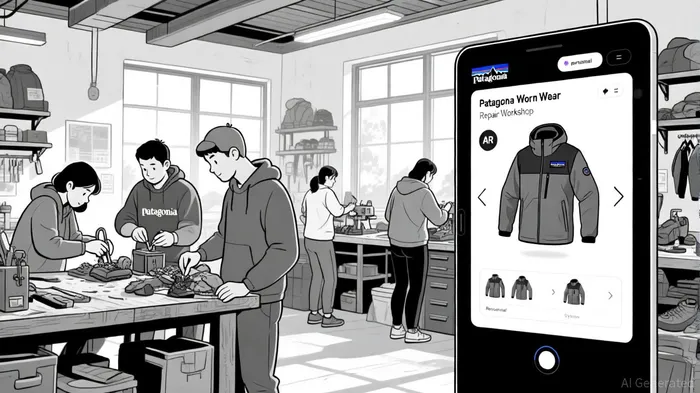







Comentarios
Aún no hay comentarios