
Strategic Asset Monetization in Japan's Energy Sector: Tokyo Gas's Portfolio Optimization and Broader Implications
Strategic Rationale: From Diversification to Core Focus
Tokyo Gas's decision to offload non-core assets aligns with a strategic imperative to enhance return on equity (ROE), a metric the company aims to elevate to 8% or higher by fiscal 2026. The sale of TVL LLC, which operated in Louisiana's Haynesville and Cotton Valley formations, exemplifies this approach. By exiting international ventures with uncertain returns, Tokyo Gas is reallocating capital to domestic initiatives and core energy infrastructure, a move that reflects both operational pragmatism and investor demands.
The pressure to divest non-core assets has intensified under the influence of U.S. activist investor Elliott Management, which holds a 5.03% stake in Tokyo Gas. Elliott has explicitly called for the sale of properties such as the Park Hyatt Tokyo hotel and land in Toyosu, signaling a preference for capital returns over diversified real estate holdings. While the Ginza Building-a prime asset in Tokyo's central district-has not been officially confirmed as part of this strategy, the company's public commitment to asset sales suggests it could be a candidate. Such a move would further align Tokyo Gas with global trends of energy firms prioritizing liquidity and shareholder value over peripheral real estate.
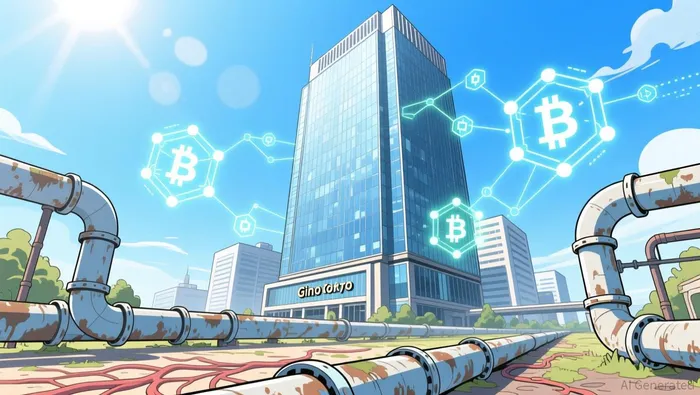
Broader Sector Trends: Regulatory Evolution and Digital Innovation
The Japanese energy sector's monetization strategies are also being reshaped by regulatory developments in the digital asset space. The Financial Services Agency has mandated that cryptocurrency exchanges maintain liability reserves to compensate users in the event of security breaches, a measure aimed at bolstering trust in digital finance. While this primarily affects the crypto ecosystem, it signals a maturing regulatory environment that could indirectly benefit energy firms exploring tokenization or blockchain-based asset management.
Moreover, Japan's exploration of yen-backed stablecoins and the potential integration of traditional banks into crypto markets hint at a future where energy assets might be monetized through innovative financial instruments. For Tokyo Gas and peers, this could open avenues for securitizing infrastructure or leveraging digital platforms to attract new investors. However, such transitions remain aspirational, with current monetization efforts focused on conventional real estate and operational divestitures.
Challenges and Opportunities
The ambiguity surrounding the Ginza Building sale underscores the complexities of asset monetization in a sector still navigating post-Fukushima energy transitions and decarbonization goals. While Tokyo Gas's strategy is financially sound, it risks criticism for potentially undervaluing high-quality assets in Tokyo's premium real estate market. Conversely, the proceeds from such sales could fund critical investments in renewable energy or hydrogen infrastructure, aligning with Japan's long-term energy vision.
For investors, the key takeaway is the sector's shift toward liquidity and strategic clarity. Tokyo Gas's actions mirror those of global peers, such as Shell and BP, which have similarly prioritized core operations over diversified holdings. In Japan's context, where energy security and regulatory stability are paramount, this trend is likely to persist, particularly as the FSA continues to refine its approach to digital and traditional asset markets.
Conclusion
Tokyo Gas's asset monetization strategy, while still unfolding, reflects a broader recalibration of Japan's energy sector. By shedding non-core holdings and focusing on operational efficiency, the company is positioning itself to meet investor expectations and regulatory demands. While the Ginza Building's fate remains uncertain, the underlying trend-toward streamlined portfolios and enhanced ROE-is clear. As Japan's energy landscape evolves, the interplay between traditional asset sales and emerging digital finance tools will shape the sector's trajectory, offering both challenges and opportunities for stakeholders.







Comentarios
Aún no hay comentarios