
Strategic Allocation in Turbulent Times: Defense and Energy Plays Amid the Israel-Iran Conflict
The Israel-Iran conflict has erupted into a geopolitical tinderbox with profound implications for global energy markets and defense industries. As tensions escalate, investors must navigate a landscape of risk and opportunity. Here's how to position portfolios for this volatile environment.
The Strait of Hormuz: A Chokepoint Driving Oil Prices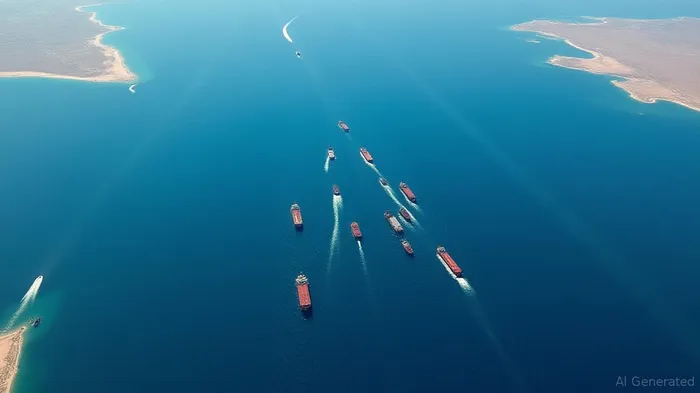
The Strait of Hormuz, through which 20% of global oil exports flow, remains the conflict's epicenter. Analysts warn that its closure could push Brent crude prices to $160 per barrel—a scenario that has already sent prices surging 7% overnight. The region's strategic importance is underscored by its role in Saudi Arabia's and the UAE's oil exports, as well as Russia's reliance on Hormuz for crude shipments.
Defense Contractors: Shielding Profits in an Unstable World
The conflict has elevated demand for air defense systems, precision munitions, and cybersecurity.
- Raytheon Technologies (RTX): A leader in Patriot missile defense systems, RTX has been pivotal in intercepting Iranian ballistic missiles. With geopolitical tensions driving orders, RTX's stock could see sustained growth.
- Lockheed Martin (LMT): The producer of F-35 fighter jets and C-130J transport aircraft, LMT benefits from Middle Eastern nations' modernization of air forces. Its valuation remains compelling amid rising defense budgets.
- BAE Systems (BAESY): European defense giant BAE supplies advanced air defense systems to NATO and Gulf states, positioning it as a key beneficiary of regional arms spending.
For broader exposure, iShares U.S. Aerospace & Defense ETF (ITA) offers diversified holdings in top contractors like RTX and LMT.
Energy Plays: Betting on Scarcity and Security
The conflict has reignited interest in energy security, favoring companies with exposure to oil, LNG, and infrastructure resilience.
- Schlumberger (SLB) & Halliburton (HAL): These firms are critical to offshore drilling and infrastructure upgrades, which are accelerating as nations seek to reduce reliance on Middle Eastern oil. Both stocks offer value at current dips below $55 (SLB) and $18 (HAL).
- Chevron (CVX) & ExxonMobil (XOM): Higher oil prices directly benefit these giants, though their long-term appeal hinges on navigating sanctions and geopolitical risks.
- LNG Exporters: Cheniere Energy (LNG) and Sempra Energy (SRE) operate terminals that provide alternative energy routes, shielding investors from Strait disruptions.
Cybersecurity and Renewables: The Unseen Front
While missiles dominate headlines, cyberattacks on energy infrastructure are equally critical.
- CrowdStrike (CRWD): As a leader in endpoint security, CRWD's dominance in defending critical infrastructure positions it to grow. Its $125/share target reflects investor confidence in its threat detection capabilities.
- Renewables: NextEra Energy (NEE) and Vestas Wind Systems (VWDRF) gain traction as Gulf states invest in solar and wind projects to diversify energy sources.
The Risks: Volatility and Diplomacy
Despite opportunities, investors must weigh risks:
- Oil Price Volatility: A Strait closure could trigger a spike to $160/bbl, but a diplomatic resolution could send prices plummeting.
- ETF Costs: Defense and energy ETFs carry higher expense ratios (0.35%–0.60%), requiring careful cost-benefit analysis.
- Geopolitical Whiplash: Any U.S.-Iran rapprochement—a low-probability but impactful scenario—could deflate defense spending.
A Strategic Portfolio Play
1. Defense Exposure: Allocate 20–25% to ITA or SHLD for missile defense and cybersecurity plays.
2. Energy Plays: Pair XLE with direct holdings in SLB and LNG for oil price upside and infrastructure resilience.
3. Hedging: Use GLD to offset oil-driven inflation and volatility.
The Israel-Iran conflict isn't just a geopolitical flashpoint—it's a catalyst for rethinking energy security and defense spending. Investors who balance these sectors while monitoring diplomatic developments will be best positioned to navigate the storm.
In a world where Hormuz's waters are as volatile as markets, strategic allocation is not just an option—it's a necessity.







Comentarios
Aún no hay comentarios