
Strategic M&A Activity in 2026: Merck, Glencore, and CrowdStrike Signal Sector Shifts
The global investment landscape in 2026 is being reshaped by bold cross-sector M&A strategies from industry leaders, with MerckMRK--, Glencore, and CrowdStrikeCRWD-- emerging as pivotal players. These deals reflect a broader shift toward consolidating market power in high-growth sectors such as oncology, cybersecurity, and energy transition commodities. For investors, understanding the strategic logic and risks behind these transactions is critical to navigating evolving market dynamics.
Merck: Reinventing Its Portfolio Amid Patent Expiry
Merck's 2026 M&A strategy is centered on mitigating the impending patent expiry of Keytruda in 2028. The company has aggressively pursued acquisitions to bolster its oncology and life sciences pipelines. A $9.2 billion acquisition of Cidara Therapeutics added CD388, a novel influenza preventive agent, while advanced talks to acquire Revolution MedicinesRVMD-- for $32 billion aim to secure daraxonrasib, an investigational RAS(ON) inhibitor in late-stage trials for pancreatic and lung cancers according to reports. These moves align with Merck's CEO's stated focus on "strategic acquisitions to strengthen long-term portfolio resilience."
The oncology sector remains a high-stakes battleground, with Merck's expanded pipeline positioning it to compete with rivals like Roche and Bristol-Myers Squibb. For investors, the key question is whether these acquisitions can offset Keytruda's revenue decline and deliver sustainable growth. The success of daraxonrasib in regulatory trials will be a critical determinant, as will Merck's ability to integrate Cidara's respiratory assets into its broader life sciences strategy.
CrowdStrike: Cybersecurity's Consolidation Play
CrowdStrike's 2026 M&A activity underscores the cybersecurity sector's rapid consolidation. The $740 million acquisition of identity security startup SGNL has enhanced the Falcon platform with dynamic authorization capabilities, addressing AI-driven threats and real-time access enforcement. This deal, coupled with acquisitions of Pangea and Onum, has expanded CrowdStrike's AI-driven security and cloud infrastructure offerings.
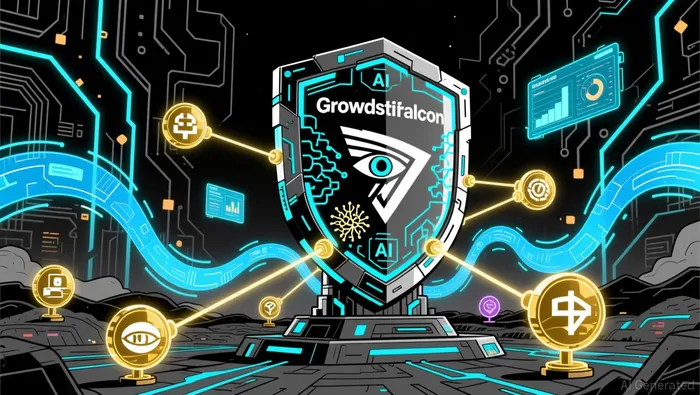
The company's identity management segment alone generated $435 million in annual recurring revenue by Q2 2026, reflecting strong demand for identity-centric security solutions. CrowdStrike's ecosystem strategy-bolstered by partnerships with AWS, NVIDIA, and F5-has also positioned it to capitalize on the AI infrastructure boom. Q3 2026 earnings highlighted a 22% year-over-year revenue increase and $265 million in net new ARR, signaling robust market traction.
Investors should monitor CrowdStrike's ability to integrate these acquisitions without diluting margins, as well as its competitive positioning against rivals like Palo Alto Networks and Microsoft. The cybersecurity sector's 47% funding surge in 2025 suggests continued innovation, but consolidation could intensify pricing pressures.
Glencore: A High-Stakes Merger in the Energy Transition Era
The most disruptive M&A development in 2026 is the potential $200–260 billion merger between Glencore and Rio Tinto, aimed at creating the world's largest mining entity. This deal would combine Rio Tinto's iron ore and aluminum expertise with Glencore's copper, cobalt, and coal assets, targeting dominance in energy transition commodities. Copper demand, driven by electrification and AI infrastructure, is projected to grow 40–50% through 2035, making scale and supply chain control critical.
However, the merger faces significant hurdles. Glencore's coal assets risk excluding the combined entity from ESG-focused investment funds, while regulatory scrutiny in China and Australia looms large. Market reactions have been mixed: Glencore's shares surged 10% on merger speculation, while Rio Tinto's fell 6.3%, reflecting skepticism about execution risks.
For investors, the deal's outcome will reshape the mining sector's competitive landscape. If approved, the merger could force rivals like BHP to pursue counter-consolidation strategies. The February 5, 2026, deadline for Rio Tinto to formalize its offer adds urgency to this high-stakes negotiation.
Sector Shifts and Investor Implications
The M&A strategies of Merck, Glencore, and CrowdStrike highlight three key sector trends:
1. Healthcare's Biotech-Driven Transformation: Merck's focus on oncology and life sciences reflects a shift toward specialized biotech innovation, with investors prioritizing R&D pipelines over traditional blockbuster models.
2. Cybersecurity's AI-Centric Evolution: CrowdStrike's identity and AI-driven security acquisitions underscore the sector's pivot toward proactive threat mitigation, aligning with AI's growing role in both attacks and defenses.
3. Mining's Energy Transition Play: Glencore and Rio Tinto's potential merger signals a strategic pivot toward copper, cobalt, and other critical minerals, with ESG compliance and regulatory risks becoming central to valuation models.
Investors must weigh these trends against macroeconomic headwinds, including interest rate uncertainty and geopolitical tensions. For Merck, the success of its oncology bets will hinge on clinical outcomes and pricing power. CrowdStrike's ecosystem expansion offers growth potential but requires disciplined integration. Glencore's merger, if realized, could redefine mining's role in the energy transition but carries execution and regulatory risks.
Conclusion
The 2026 M&A activity of Merck, Glencore, and CrowdStrike illustrates a broader shift toward sector consolidation driven by technological disruption and energy transition demands. While these deals promise enhanced market positioning, they also introduce complex risks that investors must carefully evaluate. As the year progresses, monitoring regulatory developments, integration progress, and sector-specific catalysts will be essential for capitalizing on these strategic moves.





Comentarios
Aún no hay comentarios