
Strait of Hormuz Tensions: Navigating the Oil Market Crossroads
The Strait of Hormuz, a 34-mile-wide chokepoint through which approximately 20% of the world's seaborne oil transits, has once again become a geopolitical flashpoint. Recent developments in June 2025—from Iranian military posturing to U.S. force protection measures—highlight the fragility of global oil supply chains. For investors, this is no mere diplomatic squabble; it's a high-stakes game with profound implications for energy markets and portfolio resilience. Let's dissect the risks and opportunities.
The Geopolitical Crosshairs
The region's volatility is escalating. On June 11, the UK Maritime Trade Operations (UKMTO) issued an advisory warning of increased military activity in the Strait of Hormuz, Persian Gulf, and Gulf of Oman. This follows Iran's May 18 GPS interference incident, a tactic it has used to seize vessels in territorial watersWAT--. Meanwhile, Iran's Islamic Revolutionary Guard Corps (IRGC) has been conducting military drills in the strait, with Commander Hossein Salami declaring readiness to counter “any threat.”
The U.S. response has been equally assertive. The Department of Defense authorized the voluntary departure of military dependents from Bahrain, while the U.S. Embassy in Baghdad began preparing for a partial evacuation. These moves underscore deepening distrust, particularly as stalled nuclear talks risk further sanctions or military escalation.
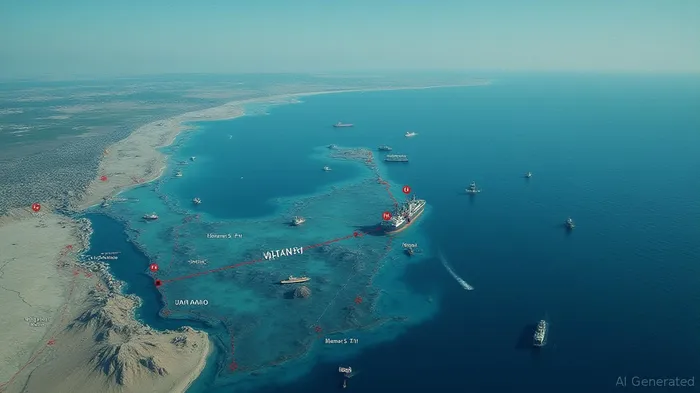
Oil Markets on Edge
The Strait's strategic importance cannot be overstated. A full closure—or even a significant disruption—could send Brent crude soaring above $100 per barrel, reminiscent of the 2019 attacks on Saudi Aramco's infrastructure. Historically, tensions in the region have correlated with price spikes:
Current prices hover around $80–85/bbl, but fear of supply shocks is already embedded in futures curves. Iran's threats to retaliate against sanctions—including expanding uranium enrichment or targeting U.S. bases—add layers of uncertainty. A failed nuclear deal could trigger renewed sanctions on Iranian oil exports, tightening global supply further.
Strategic Plays for Investors
- Go Long on Oil-Linked Assets
- Commodity ETFs: Exposure to crude via vehicles like the United States Oil Fund (USO) or the iPath Bloomberg Crude Oil Subindex Total Return ETN (OIL).
- Oil Majors: Firms like Chevron (CVX) and Exxon Mobil (XOM) benefit from higher prices, though geopolitical risks may pressure their operational margins.
Refiners and Logistics: Companies such as Valero (VLO) or pipeline operators like Enbridge (ENB) could profit from increased demand for refining capacity and infrastructure.
Hedge Against Volatility
- Inverse/Short ETFs: Consider short-term plays like the ProShares UltraShort Oil & Gas ETF (SGO) if expecting a price correction due to geopolitical miscalculations or a sudden deal breakthrough.
Options Strategies: Buying put options on oil ETFs to protect long positions or capitalize on downside volatility.
Diversify with Geopolitical ETFs
Funds like the Global X Geopolitical Metals & Minerals ETF (GEOP) target commodities critical to defense and energy infrastructure, offering indirect exposure to regional tensions.
Safe Haven Alternatives
- Gold (GLD) and silver (SLV) often rise during geopolitical crises, serving as portfolio ballast against oil-driven inflation or market instability.
Risks and Traps to Avoid
- Overrotation into Energy: While oil is a logical play, overconcentration can backfire if tensions ease. Monitor diplomatic signals, such as U.S.-Iran talks or Russia's stance on sanctions.
- Infrastructure Weakness in Iran: Domestic crises, like the rial's collapse or port fires, may limit Iran's ability to retaliate, reducing immediate threats to supply.
- Alternative Supply Routes: Gulf states and Russia could ramp up production to offset disruptions, capping price spikes.
Final Considerations
The Strait of Hormuz is a geopolitical tinderbox, but investors must balance fear with fundamentals. While short-term volatility is inevitable, long-term trends—such as global energy transition—will eventually redefine the region's strategic value. For now, hedged exposure to oil and safe havens is prudent.
In conclusion, investors should treat Strait of Hormuz tensions as both a risk and an opportunity. Allocate defensively to protect against supply shocks while maintaining flexibility to pivot as diplomatic dynamics evolve. Stay vigilant—the next move could come from Tehran, Washington, or the market's reaction to either.
Disclaimer: This analysis is for informational purposes only. Always conduct thorough research and consult with a financial advisor before making investment decisions.







Comentarios
Aún no hay comentarios