
Strait of Hormuz: Geopolitical Crossroads Threatens Global Energy Markets
The Strait of Hormuz, a narrow channelCHRO-- through which roughly 20% of the world's crude oil transits daily, has become the epicenter of escalating U.S.-Iranian tensions. Recent U.S. airstrikes on Iranian nuclear facilities, coupled with retaliatory missile barrages into Israel, have reignited fears of a strategic chokepoint closure—a scenario that could send oil prices soaring and destabilize global energy markets. For investors, the risks and opportunities are profound, requiring a nuanced approach to portfolio construction.
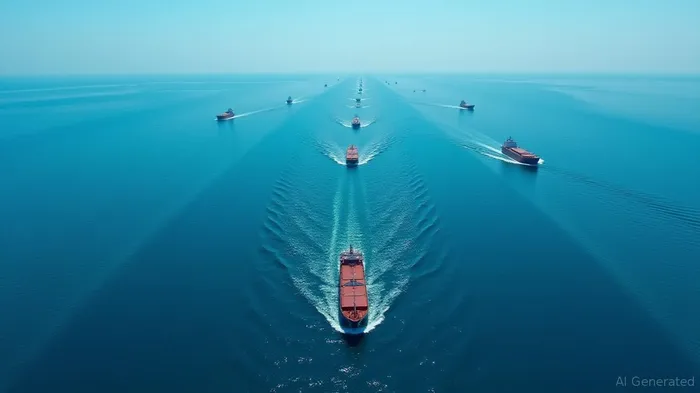
Geopolitical Tensions Escalate, Risks Mount
On June 13, Israel launched strikes targeting Iran's nuclear program, a prelude to the U.S. bombing of Iranian nuclear sites—including the Fordo facility—on June 22. Iran's retaliatory attacks on Israel, including missiles piercing the Iron Dome defense system, have intensified fears of a broader conflict. While Iran's capacity to retaliate has been degraded (only 40% of its missile launchers are operational), its asymmetric tactics remain a wildcard.
A closure of the Strait of Hormuz—whether through direct blockage, sabotage of tankers, or attacks on Gulf infrastructure—could trigger an immediate oil supply shock. Analysts project prices could surge to $100 per barrel and potentially exceed $120 if the strait is blocked. This volatility creates both risks and opportunities for energy investors.
Market Implications: Supply Shocks and Price Volatility
The strait's strategic importance cannot be overstated. A sustained closure would disrupt flows of ~20 million barrels of oil daily, far exceeding OPEC+'s spare capacity. Even a partial disruption could strain markets already grappling with demand recovery and supply constraints.
Analysts like Saul Kavonic warn that Iran might escalate indirectly via proxies, such as Houthi attacks on Saudi infrastructure or Hezbollah strikes on Israeli ports. Such actions could further tighten supply, while U.S. sanctions on Iran-backed groups aim to disrupt their funding. Meanwhile, the U.S. Treasury's targeting of illicit oil networks signals a broader strategy to isolate Iran economically.
Investment Strategies: Navigating Geopolitical Risks
- Energy Equities: Increase Exposure, but Prioritize Defensive Plays
- Oil Majors and Services: Companies like ExxonMobil (XOM) and Chevron (CVX) benefit from higher oil prices but face ESG scrutiny. Focus on firms with strong balance sheets and exposure to low-cost production.
ETFs: Consider energy sector ETFs like the Energy Select Sector SPDR Fund (XLE) or the iShares U.S. Energy ETF (IYE) for diversified exposure.
Commodities: Direct Exposure to Oil and Metals
- Crude Oil Futures: Investors can gain exposure through instruments like the United States Oil Fund (USO), though rolling futures contracts carry contango risks.
Metals: Gold (GLD) and palladium (PALL) often perform well during geopolitical crises, serving as both inflation hedges and safe havens.
Portfolio Diversification: Hedge Against Volatility
- Geopolitical Risk Funds: ETFs like the Global X Conscious Companies ETF (KRMA) or region-specific funds targeting Middle East equities (e.g., EGPT) may offer indirect exposure to stability-driven investments.
- Defensive Sectors: Allocate to utilities (XLU) or healthcare (XLV) to balance energy-driven volatility.
Key Considerations and Risks
- Diplomacy vs. Escalation: While Iran's regime faces internal dissent and regional isolation, its threats to close the strait remain credible. A U.S.-Iran war remains unlikely, but miscalculations could trigger unintended consequences.
- Market Overhang: Even if the strait remains open, geopolitical uncertainty could keep prices elevated. Investors should monitor sanctions enforcement, proxy warfare intensity, and OPEC+ production decisions.
- Supply Chain Alternatives: The U.S. and Gulf states may accelerate pipeline projects (e.g., Iraq's Kirkuk-Ceyhan line) to reduce strait dependency, offering long-term investment themes.
Conclusion: Prepare for Volatility, Prioritize Balance
The Strait of Hormuz crisis underscores the fragility of global energy markets. While oil prices are likely to remain elevated, the path to resolution—whether through diplomacy, de-escalation, or prolonged tension—is fraught with uncertainty. Investors should:
- Stay overweight energy equities but avoid overconcentration in geopolitical hotspots.
- Hedge with defensive assets to mitigate downside risks from economic slowdowns or geopolitical shocks.
- Monitor real-time data: Track oil inventories (API/EIA reports), strait traffic volumes, and sanctions enforcement to adjust positions dynamically.
In this high-stakes environment, vigilance and diversification are key. The Strait of Hormuz is not just a geographic chokepoint—it's a geopolitical pressure valve whose state will determine the trajectory of energy markets and investor outcomes for months to come.







Comentarios
Aún no hay comentarios