
Strait of Hormuz: The Geopolitical Crossroads Fueling an Oil Rally—and How to Position Your Portfolio
The Strait of Hormuz, a 34-mile-wide waterway connecting the Persian Gulf to the Arabian Sea, has become the epicenter of global energy markets as Iran-Israel tensions escalate. With 20.9 million barrels of oil flowing through it daily—20% of the world's petroleum consumption—the strait's stability is no longer just a regional concern but a linchpin for global economic health. As shipping traffic wavers, freight costs soar, and oil prices flirt with $80 per barrel, investors face a critical question: How do you capitalize on this volatility while shielding portfolios from systemic risk?
The Strait's Strategic Importance—and Its Fragile State
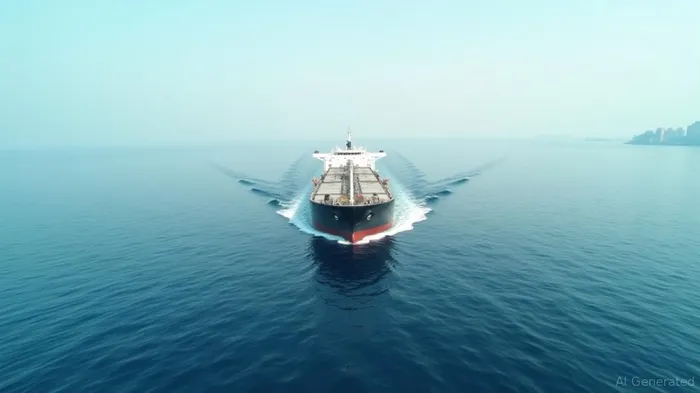
The strait's vulnerability is both geographic and political. Iran has long threatened to block it, but its calculus has shifted: Closing the route would starve its own oil exports, inviting U.S. military intervention, and alienating Gulf Arab allies like Saudi Arabia. Yet, even the perception of risk is reshaping markets. Bimco, the world's largest shipping association, notes a “modest drop” in vessel traffic, with container ships rerouting to avoid the strait entirely—similar to how Red Sea trade shifted amid Houthi threats.
The economic toll is immediate. Middle East Gulf tanker freight rates to China jumped 24% in mid-June, while East Africa routes saw a 40% spike over three days. Insurers, though calm for now, warn war-risk premiums could shift within 48 hours if hostilities escalate. For investors, this means oil prices aren't just reacting to supply cuts but to the financialization of fear: Higher freight costs, insurance premiums, and rerouting expenses bake a volatility premium into crude prices.
Why $80/barrel Is a New Baseline—and Where to Bet
Analysts estimate a $5–$7/bbl “risk premium” is already embedded in prices, pushing benchmarks like Brent to $74–$77. But if Iran attacks commercial shipping or retaliates with broader supply disruptions, prices could leap to $90–$100/bbl. This creates opportunities in energy equities, particularly in companies with direct exposure to Middle Eastern production or infrastructure.
Consider:
- Oil Majors with Gulf Exposure: ExxonMobil (XOM) and Chevron (CVX) dominate Saudi and UAE fields, benefiting from stable Gulf production even if the strait faces partial disruption.
- Tanker and Logistics Firms: Companies like Frontline (FRO) or Euronav (EURN), which own oil tankers, stand to gain as rerouting demands fuel higher freight rates.
- Energy ETFs: The S&P 500 Energy Sector ETF (XLE) tracks broad sector performance, offering diversified exposure.
The Stagflation Risk—and How to Hedge It
While oil equities may thrive, the broader economy faces a darker threat: stagflation. Higher energy costs squeeze consumer spending and inflation, even as growth slows. The U.S. Federal Reserve's rate-hike path becomes murkier, and equities could face a “twin squeeze” of weaker earnings and higher borrowing costs.
To mitigate this:
1. Allocate to Safe Havens: Gold (GLD) and the U.S. dollar (UUP) typically outperform during geopolitical crises. The SPDR Gold Shares ETF has risen 8% year-to-date as geopolitical risks climb.
2. Short Volatility or Use Put Options: Instruments like the ProShares Short VIX (SVXY) or sector puts can buffer against sudden market drops.
3. Rebalance Fixed Income: U.S. Treasury bonds (TLT) offer yield stability amid uncertainty.
The Clock Is Ticking—Act Before OPEC+ or Sanctions Shift the Tide
The window to capitalize on this volatility is narrowing. OPEC+, which meets in late July, could decide to boost production if prices climb too high—a move that would ease supply constraints. Meanwhile, Western sanctions targeting Iranian oil exports (already at 1.2 mb/d) could intensify, further destabilizing the region. Investors must act before these variables stabilize prices—or send them higher.
Final Verdict: Go Long on Energy, Short on Stagflation Risks
The Strait of Hormuz isn't just a shipping lane—it's a pressure cooker for global energy markets. While the strait remains open, the psychological and financial toll of its instability ensures oil's volatility will linger. Positioning portfolios to capitalize on energy gains while hedging against economic drag is no longer optional. The question isn't if markets will react—it's whether you're ready when they do.
Time to reposition: Allocate 10–15% of equity exposure to energy plays, pair with 5–10% in gold/USD hedges, and keep a close eye on OPEC+ and sanctions developments.





Comentarios
Aún no hay comentarios