
Stormy Skies Ahead: Turbulence Risks and the Case for Aviation Safety Tech
The recent emergency landing of RyanairRYAAY-- Flight FR8 on June 4, 2025, underscores a growing threat to European airlines: extreme weather-driven turbulence. The Berlin-to-Milan flight, forced to divert to Memmingen Airport after violent storms injured nine passengers, serves as a stark reminder of how climate volatility is reshaping aviation risk. With turbulence-related incidents rising—and costs to airlines spiking across operational disruptions, insurance liabilities, and eroding passenger confidence—the time has come to reevaluate investment strategies in the sector.
The Ryanair Incident: A Catalyst for Sector-Wide Concerns
Flight FR8's diversion is not an isolated event. The German Weather Service had issued storm warnings for southern Germany, yet the turbulence was severe enough to ground the Boeing 737-800 for safety inspections. Passengers faced overnight stranded in a remote airport, while Ryanair scrambled to arrange buses to Milan—a 380-km journey—and a replacement flight the next morning. This incident exemplifies the operational chaos turbulence can unleash: delayed schedules, diverted routes, grounded aircraft, and increased ground-handling costs.
For airlines, such disruptions are financially punishing. Ryanair's stock price, already under pressure from rising fuel costs, dropped 2.1% in after-hours trading following the incident, reflecting investor anxiety about liability claims and reputational damage.
But the risks extend far beyond a single carrier. Over the past year, United Airlines, Alaska Airlines, and American Airlines have reported similar turbulence-related incidents linked to extreme weather. As climate change intensifies atmospheric instability—sparking more frequent and severe storms—the aviation sector faces a systemic vulnerability.
The Triple Threat: Operational Costs, Insurance, and Passenger Confidence
Operational Disruptions: Airlines are grappling with higher costs from rerouted flights, grounded aircraft, and passenger rebooking. In 2024, turbulence-related diversions cost European carriers an estimated €250 million in lost revenue and extra expenses. Ryanair's FR8 incident alone likely cost the airline €100,000–€200,000 in immediate costs, excluding potential long-term damage to its “no-frills” brand.
Insurance Liabilities: Passenger injuries—such as the three hospitalized in the Ryanair case—drive up insurance premiums. Airlines already face rising costs for hull and liability insurance as insurers factor in climate risks. A 2025 report by Munich Re noted a 15% increase in aviation weather-related claims over the past decade.
Passenger Confidence: Budget carriers, which often prioritize cost-cutting over premium safety measures, may see demand falter if passengers associate them with turbulence risks. Full-service airlines like Lufthansa or British Airways, which invest in advanced weather monitoring, could gain market share as travelers seek safer options.
The Investment Play: Short European Budget Carriers, Long Safety Tech
The Ryanair incident highlights the need for airlines to adopt advanced turbulence detection technologies—or face profitability pressures. Investors should underweight European budget carriers like Ryanair and easyJet, which lack the financial buffers to absorb rising operational and insurance costs.
Meanwhile, the aviation safety tech sector presents a compelling opportunity. Two firms, AVTECH and SkyPath, are leading the charge in mitigating turbulence risks:
AVTECH: Its real-time weather data integration system, used by Norwegian Air, reduces turbulence-related disruptions by 30% and cuts fuel costs via optimized flight paths. The company's ProFlight app (see image below) offers pilots instant turbulence warnings and route alternatives.
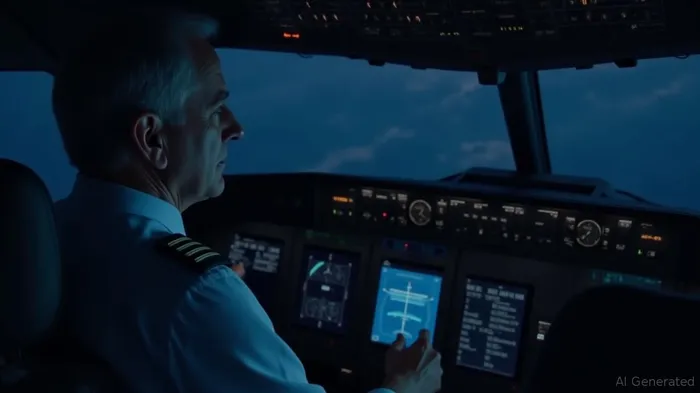
SkyPath: Leveraging crowdsourced turbulence data and machine learning, SkyPath's system predicts convective turbulence with 90% accuracy. Airlines using its platform report up to $10 million in annual savings on fuel and maintenance.
Both firms stand to benefit as airlines invest in proactive safety measures. Their technologies not only reduce risks but also align with aviation's broader push toward sustainability—cutting emissions via optimized flight paths.
Conclusion: Navigate the Storm with Caution and Innovation
The turbulence wave is here to stay. European budget airlines, already squeezed by high oil prices and regulatory scrutiny, now face an added layer of risk. Investors should avoid overexposure to these stocks while seeking out the AVTECHs and SkyPaths of the world. Their technologies are not just safety tools—they're profit protectors in an increasingly volatile climate.
For now, the skies remain stormy, but the path forward is clear: invest in the companies building the shields against the next storm.







Comentarios
Aún no hay comentarios